Beyond Greenbacks: The New Development Bank and the Rise of Local Currency Financing in the BRICS
The global financial landscape is shifting, and the BRICS alliance, comprising Brazil, Russia, India, China, and South Africa, is at the forefront of this change. One key area of innovation lies in the New Development Bank (NDB), established in 2014, which is now actively pursuing local currency financing for its development projects. This move aligns with a broader strategy of de-dollarisation and increased currency swapping, aimed at reducing dependence on the US dollar and fostering an alternative financial ecosystem.
The Dominance of the US Dollar and its Challenges
The US dollar has reigned supreme as the world’s dominant reserve currency for decades, enjoying widespread acceptance in international trade and finance. However, this reliance has also brought challenges, particularly for emerging economies within the BRICS bloc. Fluctuations in the dollar’s value can negatively impact their economies, and exposure to US monetary policy can limit their own policy autonomy. Additionally, concerns about potential US sanctions or limitations on access to dollars pose further risks.
The Rise of Local Currency Financing and the NDB’s Role
To mitigate these vulnerabilities, the BRICS nations have increasingly championed local currency financing as a viable alternative. This involves using domestic currencies for international transactions and development projects, reducing reliance on the US dollar. The NDB plays a crucial role in facilitating this shift by offering loans and investments in local currencies like the Brazilian real, the Russian ruble, the Indian rupee, the Chinese yuan, and the South African rand.
Benefits of Local Currency Financing
Several advantages accompany local currency financing:
Reduced Exchange Rate Volatility: Projects funded in local currency are shielded from fluctuations in the dollar’s value, providing greater financial stability and predictability.
Enhanced Monetary Policy Autonomy: By reducing dependence on dollar-denominated debt, BRICS member countries gain greater control over their own monetary policies, tailoring them to their specific economic needs.
Financial Inclusion: Local currency financing expands access to financial services for individuals and businesses within the BRICS region, fostering economic development and financial stability.
Diminished Risk of Sanctions: Moving away from the dollar reduces exposure to potential US sanctions or restrictions on dollar transactions, strengthening the BRICS economies’ resilience.
Challenges and Future Outlook
Despite its advantages, local currency financing also faces certain challenges. Liquidity in local currencies may be limited, particularly for less widely traded currencies like the rand or the real. Building market infrastructure and establishing robust exchange rate mechanisms are crucial to overcome these hurdles. Additionally, fostering trust and acceptance in local currencies among international investors is essential for wider adoption.
However, the future looks promising for the NDB’s local currency financing initiative. The bank has already successfully implemented this approach in several projects, including a renewable energy project in South Africa funded in rand and a sustainable infrastructure project in Brazil financed in reais. As the BRICS alliance continues to solidify its economic and financial cooperation, and local currency markets develop further, the NDB is poised to play a pivotal role in driving de-dollarisation and establishing a more diversified and resilient international financial system.
Beyond Loan Financing: Currency Swapping and Regional Payment Systems
Local currency financing is just one piece of the BRICS’ de-dollarisation puzzle. The alliance is also actively exploring currency swapping arrangements, agreements where member countries exchange their domestic currencies to facilitate trade and investment within the bloc. These measures further reduce reliance on the dollar and create a more integrated BRICS financial ecosystem.
Additionally, the BRICS nations are pushing for the development of regional payment systems, such as the New Development Bank Infrastructure Development and Investment Company (NDB BricsInfra) payment platform. This platform aims to enable cross-border transactions within the BRICS region using local currencies without relying on the SWIFT international payments system, potentially giving the BRICS nations greater control over their financial transactions.
Conclusion: A Shifting Landscape and the BRICS at the Forefront
The New Development Bank’s embrace of local currency financing exemplifies the BRICS alliance’s strategic shift towards a more multipolar financial system. As the dominance of the US dollar wanes and local currencies gain traction, the NDB is poised to play a key role in shaping this new financial landscape. By promoting financial inclusion, enhancing monetary policy autonomy, and mitigating exposure to dollar-related risks, the NDB’s local currency initiatives serve not only the BRICS nations but also contribute to a more diverse and resilient global financial system. The next decade will be crucial in determining the success of these endeavours, and the BRICS alliance is undoubtedly at the forefront of this transformative shift.
Here are some illustrative examples of NDB-funded projects that demonstrate the bank’s commitment to local currency financing and its diverse development priorities:
Projects Funded in Local Currency:
Brazil:
Sustainable Urban Development Program for the State of Ceará: A $354 million loan in Brazilian reais to improve urban infrastructure, transportation, and social services in the state of Ceará.
Water Supply and Sanitation Project in the State of Rio Grande do Sul: A $500 million loan in reais to expand water and sanitation services to underserved communities in the state of Rio Grande do Sul.
South Africa:
Renewable Energy Independent Power Producer Procurement Program (REIPPP) Round 4: A ZAR 3.5 billion loan (South African rand) to support the construction of 5 renewable energy projects,including solar and wind power plants.
Eskom Renewables Support Project: A ZAR 3.7 billion loan to finance the construction of 6 solar photovoltaic plants,contributing to South Africa’s transition to cleaner energy sources.
India:
Bangalore Metro Rail Project – Phase II: A ₹58 billion loan (Indian rupees) to expand the Bangalore Metro Rail system, enhancing urban connectivity and reducing traffic congestion.
Multi-Village Integrated Development Project in Madhya Pradesh: A ₹35 billion loan to improve rural infrastructure,including irrigation, roads,drinking water, and sanitation facilities, in Madhya Pradesh.
Projects Demonstrating Regional Cooperation and Sustainability:
Railway Line Modernisation Project in Russia: A $500 million loan to upgrade a railway line connecting Russia and Kazakhstan, promoting regional trade and economic integration.
New Development Bank Innovation and Knowledge Hub: An initiative to establish a knowledge-sharing platform and foster innovation in sustainable development practices across the BRICS nations.
Green Finance Facility: A $10 billion fund established to support green and low-carbon infrastructure projects in the BRICS countries, addressing climate change concerns and promoting sustainable development.
These examples showcase the NDB’s focus on sustainable development, infrastructure investment, regional connectivity, and local currency financing. By prioritising these areas, the NDB is contributing to the BRICS alliance’s goals of economic growth, social progress, and environmental sustainability, while simultaneously fostering greater financial independence from the US dollar.
Why supply chain management problems are important to you today and in future
Navigating Troubled Waters: How Water Shortages and the Red Sea War are Choking Global Trade in 2024
The year 2024 opened not with a bang, but with a whimper in the global trade realm. While visions of economic recovery danced in our heads, harsh realities lurked beneath the surface, threatening to capsize the fragile vessel of global supply chains. Two major chokepoints emerged, not as dramatic temporary blockages like the Ever Given (2021), but as insidious, long-term threats: water shortages in the Panama Canal and the escalating war in the Red Sea impacting the Suez Canal.
Panama’s Parched Path:
Panama, the vital shortcut connecting the Atlantic and Pacific, faces a foe not of steel and wind, but of dwindling rain. El Niño’s capricious hand has brought below-average rainfall to the region, pushing water levels in the canal to precariously low levels. As of October 2024, Gatun Lake, the canal’s primary water source, sits at a mere 80% of its capacity, forcing authorities to implement draft restrictions. These restrictions limit the size and cargo of ships that can navigate the canal, creating bottlenecks and delays.
30 January 2024- Diego Pantjoa-Navajas, vice president of Amazon Web Services Supply Chain, told FOX Business that the two situations in the Suez Canal and the Panama Canal are “dramatically impacting supply chains,” concurrently, hindering trade between Asia and Europe and between North America and Asia.
The consequences are far-reaching. Coffee from South America, electronics from Asia, and even furniture from Europe all face longer journeys and higher shipping costs. For consumers, this translates to empty shelves and rising prices. The International Monetary Fund estimates that the water shortage could shave off 0.5% from global GDP growth in 2024, a sobering reminder of Panama’s outsized role in the global trade tapestry.
Red Sea’s Roiling Conflict:
Meanwhile, in the Red Sea, the drums of war are beating a menacing rhythm. The war in Gaza and Israel has resulted in tragic loss of life. In addition, Houthis Yemen have attacked shipping in the Red Sea attempting to access Suez Canal in support of the Palestinians in Gaza. This has led to USA and UK to attack Houthis positions in Yemen claiming they are protecting key shipping route.
Automakers Tesla and Geely-owned Volvo Car said 12 January they were suspending some production in Europe due to a shortage of components, the first clear sign that attacks on shipping in the Red Sea are hitting manufacturers in the region.
The ongoing conflict has spilled over into this crucial shipping lane, raising insurance costs and deterring many vessels from venturing through. The alternative route around Africa adds days and cost to shipping goods which has to be paid with reduced profits of businesses or increased costs to consumers.
The impact is undeniable. Shipping giants like Maersk and CMA CGM have rerouted their vessels around Africa, adding weeks to delivery times and further straining already stretched supply chains. The cost of transporting goods through the Suez Canal has skyrocketed, pushing up the price of everything from oil and gas to clothing and consumer electronics.
A Perfect Storm of Uncertainty:
These two seemingly disparate issues—water scarcity in Panama and war in the Red Sea—have converged to create a perfect storm of uncertainty for global trade. Businesses are scrambling to adapt, exploring alternative routes, diversifying their suppliers, and implementing risk mitigation strategies. Consumers, meanwhile, are bracing for a prolonged period of higher prices and product shortages.
The long-term implications remain murky. Will Panama’s water woes persist, or will El Niño relent and bring life-giving rain? Will the Red Sea conflict escalate further, or will diplomacy prevail and restore stability to the region? Only time will tell.
One thing is certain, however: the events of 2024 have exposed the fragility of our interconnected world. It is a stark reminder that global trade is a delicate ecosystem, and even seemingly minor disruptions can have far-reaching consequences.
The Road Ahead:
The challenges we face are complex, but not insurmountable. Governments, businesses, and individuals must work together to build a more resilient and sustainable global trade system. This means:
Investing in alternative infrastructure: Diversifying shipping routes, developing inland waterways, and exploring alternative modes of transportation are crucial to lessen dependence on chokepoints like the Suez and Panama Canals.
Embracing innovation: Technological solutions like blockchain and artificial intelligence can help optimise supply chains, improve transparency, and mitigate risks.
Promoting international cooperation: Diplomacy and dialogue are essential to resolving conflicts and ensuring the free flow of goods across borders.
Building consumer resilience: Encouraging responsible consumption habits and supporting local businesses can help communities weather disruptions and build self-reliance.
The path ahead is fraught with challenges, but by working together, we can navigate these troubled waters and build a more resilient and prosperous future for all.
A Future in the Balance:
The fate of global trade in 2024, and beyond, hangs in the balance. Whether the currents of Panama’s water levels rise or fall, and whether the flames of war in the Red Sea flicker out or grow into an inferno, one thing is certain: the world is watching. This is not just an economic story; it’s a human story. Livelihoods depend on the smooth flow of goods, families rely on affordable essentials, and communities thrive on interconnectedness.
We stand at a crossroads, where the choices we make will determine the shape of our future. Do we build walls of protectionism, or bridges of cooperation? Do we prioritise short-term gain over long-term sustainability? Do we succumb to fear and uncertainty, or do we rise to the challenge with innovation and ingenuity?
The answer lies not just in boardrooms and government chambers, but in the hands of each individual. From the choices we make as consumers to the voices we raise as citizens, we all have a role to play in shaping the future of global trade. Let us choose wisely, let us act with courage, and let us navigate these troubled waters together, towards a future where prosperity flows freely and the tide lifts all boats.
Asset management industry trends And digital asset revolution
The Tokenisation Tide: How Business Leaders Can Navigate the Next Wave of Financial Revolution
Larry Fink, the ever-prescient CEO of BlackRock, recently declared tokenisation “the biggest trend in finance.” This isn’t just another passing fad; it’s a tidal wave poised to reshape the financial landscape as we know it. Beyond Bitcoin and cryptocurrencies, the underlying blockchain technology holds transformative power, waiting to be harnessed by savvy business leaders.
Imagine a world where every financial asset – stocks, bonds, real estate/property, even intellectual property – exists as a token on a secure, public ledger. This, as Fink envisions, is the future: “a massive leap forward in terms of efficiency, transparency, and access to capital.”
Beyond Bitcoin: Unlocking the Blockchain Potential
Bitcoin may have grabbed headlines, but the true revolution lies in the distributed ledger technology underpinning it. Blockchain cuts out the need for centralised custodians, enabling secure and transparent recording of ownership and transactions. This opens doors to a plethora of benefits:
Increased Liquidity: Fractional ownership becomes possible, unlocking previously illiquid assets like art or real estate to a wider pool of investors.
Enhanced Transparency: All transactions are immutably recorded, fostering trust and reducing fraud.
Streamlined Processes: Smart contracts automate paperwork and human error, expediting transactions and lowering costs.
We will have the ability to securely transact and store value without gatekeepers or intermediaries and this is a paradigm shift in asset management. Businesses built for self-sovereign individuals and this decentralised world will be the ones to thrive.
Embracing Web3: Democratising Finance through Decentralisation
The tokenisation wave coincides with the rise of web3, a decentralised internet built on blockchain principles. This shift empowers individuals, displacing the gatekeepers of the traditional web who controlled data and transactions. In web3, users own their data and assets, participating in a more equitable and transparent digital ecosystem.
This presents exciting opportunities for businesses. Imagine tokenised loyalty programmes where customers directly own their rewards, or fractionalised ownership of cutting-edge technology, democratising access for all. In a world of increasing uncertainty, tokenisation becomes a powerful tool for individuals and businesses to navigate volatile landscapes.
Safe Harbour in a Stormy Sea: Tokenisation as a Geopolitical Hedge
As geopolitical tensions rise and economic instability spreads, the need for safe haven assets intensifies. Tokenised assets offer a compelling alternative to traditional havens like gold or real estate/property. Their global accessibility, divisibility, and transparent ownership record make them attractive to investors seeking to protect their wealth from political or economic turmoil.
“Tokenisation provides a secure avenue to store and transfer value across borders, especially when traditional institutions might falter,” explains Fink. “This empowers individuals and businesses to navigate uncertain times with greater resilience.”
Charting the Course: Riding the Tokenisation Wave
Business leaders who proactively explore the tokenisation space stand to gain a significant competitive edge. Here are some actionable steps:
Identify potential use cases: Explore how tokenisation can be applied to your existing business model or create new revenue streams.
Collaborate with industry leaders: Partner with blockchain startups and established players to gain expertise and navigate the regulatory landscape.
Stay agile and adaptable: The tokenisation landscape is evolving rapidly. Be prepared to adapt your strategies and pivot as new opportunities and challenges emerge.
Remember, the journey beyond Bitcoin only just begins. This article has provided a roadmap for navigating the tokenisation wave. Some additional articles and workshops:
Deeper dive into alternative blockchain platforms: Explore Ethereum, Hyperledger Fabric, and Corda, highlighting their tailored features for specific industries.
Analysis of the legal and regulatory considerations: Discussing security regulations, taxation frameworks, and the need for international collaboration.
Vivid portrayal of next-generation financial markets: Emphasis on increased efficiency, automation, and democratisation of access to capital.
Analysis of different types of tokenised assets as safe havens: Explore real estate-backed tokens, gold-pegged stablecoins, and tokenised art and collectibles.
Dedicated section on web3 philosophy and its impact on business models: Discuss DAOs, tokenised communities, and implications for customer engagement.
Diving Deeper: Key Concepts for Navigating the Tokenisation Space
Beyond Bitcoin: A Spectrum of Blockchain Platforms
While Bitcoin serves as the gateway drug for many, it’s just the tip of the iceberg. Alternative blockchain platforms, each with its strengths and applications, await exploration. Consider Ethereum, the undisputed DeFi (decentralised finance) champion, offering faster transaction speeds and programmable smart contracts. Hyperledger Fabric, designed for enterprise use, boasts enhanced privacy and security, making it ideal for sensitive financial transactions. Corda, focused on inter-organisational collaboration, streamlines business processes through distributed ledger technology.
Charting the Legal Labyrinth: Regulatory Considerations
Tokenisation’s legal and regulatory landscape remains uncharted territory, presenting both challenges and opportunities. Security regulations aim to prevent fraud and market manipulation, while taxation frameworks grapple with the novel nature of tokenised assets. International collaboration is crucial to develop a coherent regulatory framework, fostering innovation while safeguarding investors.
Painting the Future: Next-Gen Financial Markets
Imagine a world where financial markets operate at warp speed, driven by automation and blockchain efficiency. Fractional ownership grants access to previously closed-door avenues, empowering individuals to invest in everything from infrastructure projects to renewable energy initiatives. Imagine tokenised sovereign debt traded on global exchanges, blurring the lines between traditional finance and the democratised world of blockchain.
Safe Havens in a Turbulent World: Diversifying with Tokenised Assets
As geopolitical tensions simmer and economic storms brew, the need for safe havens intensifies. Tokenised assets offer a compelling alternative to traditional havens like gold. Real estate-backed tokens provide stable value tied to tangible assets, while gold-pegged stablecoins offer a digital haven anchored in precious metal. Diversifying with tokenised art and collectibles adds another layer of resilience to your portfolio, protecting its value through inherent scarcity and cultural significance.
Web3: Reshaping Business Models and Customer Engagement
Web3 isn’t just a technology, it’s a movement. Decentralised Autonomous Organisations (DAOs) challenge traditional corporate structures, fostering collaborative ownership and decision-making. Tokenised communities create direct relationships with your customers, transforming them from passive consumers into invested stakeholders. Imagine loyalty programmes where customers directly own their rewards, or fractional ownership of your brand, building unparalleled engagement and loyalty.
“This is the age of programmable money, and tokenisation is the key that unlocks its potential. Businesses that embrace this revolution will see their customers empowered and their reach extended beyond borders.” – Vitalik Buterin, co-founder of Ethereum.
“The future of finance is built on collaboration, not gatekeepers. By embracing web3 principles and tokenisation, businesses can unlock new value streams and build vibrant communities around their brands.” – Meltem Demirors, CIO of Coinshares.
Conclusion: Riding the Wave of Change
Larry Fink’s declaration wasn’t a mere prediction; it was a prophetic call to action. The tokenisation tide is rising, and business leaders who stand atop their surfboards, ready to navigate the currents, will be the ones to thrive. By educating themselves, identifying opportunities, and embracing the decentralised ethos of web3, they can build resilient businesses that empower individuals, unlock unprecedented levels of value, and contribute to a more equitable and inclusive financial future. The time to dive in is now. Are you ready to ride the wave?
Are they fighting to be first to collapse TradFi system or survive biggest increase in debt ever?!
The Looming Dominoes: How US and China’s Property Crises Could Topple the Global Financial Tower in 2024
Across the world, two seemingly distant tremours are rumbling beneath the surface of the global financial system – the potential U.S. Real Estate Crisis 2024 and the deepening China Property Crisis. While continents apart, these crises are intricately linked by a web of debt, speculation, and interconnectedness, threatening to trigger a catastrophic domino effect that could topple the very foundations of global banking and shadow banking in 2024.
Cracks in the American Dream: US Real Estate on the Precipice
The once-booming US real estate market, fuelled by years of cheap money and rampant speculation, is teetering on the edge of a potential collapse. A confluence of factors is creating the perfect storm:
Loan Interest Increase: The Federal Reserve’s battle against inflation through rising interest rates is making mortgages and commercial real estate loans significantly more expensive, chilling demand and straining borrowers.
US Commercial Real Estate Value Collapse: Overbuilt office spaces, declining retail foot traffic, and the rise of remote work are eroding the value of commercial properties, particularly in saturated markets. This bubble, inflated by speculation, is at risk of popping, leading to defaults and widespread losses.
Shadow Banking’s Hidden Time Bomb: Beyond traditional banks, a complex web of hedge funds, private equity firms, and non-bank lenders hold a significant portion of US housing and commercial real estate debt. These entities, operating with less regulation and higher leverage, are particularly vulnerable to losses in a downturn, potentially triggering panic in the financial system.
China’s Ghost Cities Haunt the Global Economy:
Meanwhile, the once-unstoppable juggernaut of China’s property market is grinding to a halt. Years of reckless lending and unchecked developer speculation have left the landscape dotted with “ghost cities” – empty apartment blocks and unfinished mega-projects, all burdened by mountains of debt. This crisis manifests in several ways:
Property Market Slowdown: With sales plummeting and developers struggling to stay afloat, the once-exponential growth of the Chinese property market has stalled. This slowdown dampens demand for construction materials and commodities, impacting global trade and manufacturing.
Debt Contagion: The vast web of debt woven into China’s property sector extends beyond its borders. International banks and asset managers heavily invested in Chinese real estate loans face potential for significant losses, impacting their solvency and lending capacity worldwide.
Global Recessionary Spiral: A full-blown collapse of China’s property market could trigger a domino effect across the global economy. Slowing growth in China, a major consumer of goods and services, would ripple through international trade and supply chains, potentially tipping the world into a recession.
The Perfect Storm: Convergence of Crises, Catastrophic Consequences
The potential convergence of these two crises in 2024 paints a chilling picture. A US real estate crash, amplified by shadow banking woes, could send shockwaves through the global financial system. This, in turn, could exacerbate China’s property crisis, creating a self-reinforcing downward spiral. The consequences could be dire:
Global Banking Crisis: Widespread losses from defaulted loans and plunging asset values could cripple traditional banks and shadow lenders, leading to liquidity crunches, credit rationing, and potentially bank failures.
Economic Recession: Disruptions in the financial system and a synchronised slowdown in the US and Chinese economies could plunge the world into a recession, impacting jobs, trade, and investment worldwide.
Social Unrest: Rising unemployment, financial hardship, and eroded trust in the financial system could lead to social unrest and political instability in various countries.
A Crossroads of Crisis and Opportunity:
The looming storm casts a long shadow over the global economic landscape. However, it also presents an opportunity for transformation. By acknowledging the interconnectedness of these crises and acting with foresight and collaboration, we can navigate towards a future of greater resilience and sustainable growth. Here are some potential solutions:
Macroeconomic Coordination: Central banks and governments across the globe need to coordinate their responses to inflation, rising interest rates, and slowing growth. Tailored interest rate adjustments, targeted fiscal interventions, and proactive regulations can help mitigate the risks and foster stability.
Transparency and Risk Management: Financial institutions, both traditional and shadow banks, must be transparent about their exposure to US and Chinese real estate and actively manage their risk profiles. Increased capital buffers, robust stress testing, and greater regulatory oversight are crucial in preventing a domino effect of collapses.
Diversification and Innovation: Businesses and investors need to diversify their portfolios and explore alternative investment strategies. Building a more resilient economy less reliant on overleveraged asset markets and promoting innovation in sectors like renewable energy and technology can create new opportunities for growth.
Strengthening Global Safety Nets: Strengthening International Cooperation
Conclusion: Building a Global Shield Against the Looming Catastrophe
The potential for a cataclysmic collision between the US and Chinese property crises necessitates not just proactive measures, but a fundamental reimagining of the global financial system. We must act as one on a global stage, building a collective shield against the looming catastrophe.
Beyond Mitigation, Embracing Transformation:
While mitigating the immediate risks of the converging crises is essential, simply patching the cracks in the existing system is not enough. We must embrace transformative thinking to build a more resilient and inclusive financial landscape. This requires:
Rethinking Leverage and Shadow Banking: The overreliance on debt and the opaque underbelly of shadow banking have contributed significantly to the current turmoil. Implementing stricter regulations, promoting responsible lending practices, and encouraging transparency within the financial ecosystem are crucial steps towards sustainable growth.
Investing in Inclusive Prosperity: Addressing inequality and fostering inclusive economic development are not just moral imperatives, but vital pillars of resilience. Investments in education, healthcare, and social safety nets create a more robust population less susceptible to economic shocks.
Embracing Green Finance: Shifting investments towards renewable energy, sustainable infrastructure, and climate-resilient technologies are not just environmentally beneficial, but also offer lucrative avenues for economic diversification and long-term stability.
A Call to Collective Action:
The responsibility to avert this crisis and build a brighter future lies not solely with governments and financial institutions, but with every individual. We can contribute by:
Staying informed: Engaging with responsible financial literacy resources and holding leaders accountable for their actions.
Demanding transparency: Urging financial institutions to disclose their exposure to risky assets and advocating for stricter regulations.
Making mindful choices: Prioritising financial prudence, diversification, and ethical investment practices in our own lives.
The Crossroads Awaits:
We stand at a crossroads, facing a potential financial calamity unlike any we have seen before. However, within this crisis lies an opportunity for genuine transformation, a chance to forge a more equitable, sustainable, and resilient future for generations to come. By acting with foresight, collaboration, and a shared sense of responsibility, we can not only weather the storm, but emerge stronger, building a global financial system that serves the needs of all, not just the privileged few. Let us harness the collective power of our interconnected world to rewrite the narrative, transforming this looming catastrophe into a catalyst for a better tomorrow.
This article offers narrative on the potential global financial crisis and the path towards a more resilient future. Remember, the power to turn the tide lies within each of us. Let us choose foresight over fear, collaboration over division, and build a future where prosperity and well-being are the cornerstones of the global financial landscape.
Unpacking the UK’s talent crisis: How skills shortages threaten business growth in 2024.
Skills and labour shortages holding back your business growth or threatening your ability to maintain existing levels of business activity in 2024?
The year 2024 dawns with a familiar unease for many British businesses. Is the UK having a labour shortage? Not just having one, but grappling with a multifaceted talent crisis threatening to stifle growth and even imperil existing operations. While economic forecasts paint a cautiously optimistic picture, the ground beneath is riddled with the gaping fissures of skills and labour shortages. This article delves into the anatomy of this crisis, identifying the biggest skills gaps and their impact on various sectors, while offering actionable insights for businesses to navigate this treacherous terrain.
The Stark Reality: Numbers Don’t Lie
Yes, the UK is undeniably experiencing a severe labour shortage. As of November 2023, over 1.1 million job vacancies remained unfilled, a figure only slightly down from the record highs witnessed earlier in the year. This deficit stretches across industries, with sectors like hospitality and leisure (35.5%), construction (20.7%), and healthcare (19.5%) bearing the brunt. Even more disconcerting is the narrowing gap between vacancies and unemployment numbers, implying a mismatch between available personnel and required skillsets.
The Roots of the Crisis: A Multifaceted Maze
This predicament stems from a confluence of factors:
Demographic Shifts: An ageing population and declining birth rates create a shrinking pool of young talent entering the workforce.
Skill Gaps: Rapid technological advancements demand new skillsets, leaving traditional workforce demographics with inadequate adaptability. This is particularly evident in the need for digital skills, data analytics, and cyber security expertise.
Wage Stagnation: Wages failing to keep pace with inflation discourages potential entrants, particularly in low-wage sectors like hospitality and care.
Working Conditions: Concerns about job security, unsociable hours, and demanding workloads deter candidates from joining certain industries.
The Sectorial Pinch: Where Does it Hurt Most?
The ramifications of these factors play out differently across industries:
Hospitality and Leisure: This sector faces a double whammy – reduced EU migration and a reluctance among domestic workers to accept low-wage, often precarious jobs. The result is a persistent shortfall in chefs, waiters, and housekeeping staff, impacting tourism and the wider economy.
Construction and Manufacturing: Skill shortages in critical trades like carpentry, plumbing, and welding hamper project completion and infrastructure development. Additionally, a lack of digital skills impedes automation and productivity gains.
Tech and Innovation: The UK struggles to keep pace with the burgeoning demand for software developers, data scientists, and cyber security professionals. This talent deficit stifles innovation and threatens the UK’s potential as a tech hub.
Healthcare and Social Care: A critical shortfall in nurses, care workers, and mental health professionals puts immense pressure on an already overburdened system. This gap in care provision directly impacts patient well-being and the sustainability of the NHS.
Navigating the Maze: Strategies for Survival and Growth
The current landscape doesn’t spell doom and gloom. Businesses can adopt proactive strategies to overcome the talent crunch:
Invest in Upskilling and Reskilling: Train existing employees to acquire new skills relevant to future demands.
Rethink Recruitment Practices: Broaden your talent pool by considering candidates from diverse backgrounds and offering flexible work arrangements.
Focus on Employee Well-being: Competitive wages, strong employer branding, and a positive work environment can attract and retain top talent.
Embrace Automation: Invest in technologies that can augment existing workforce capabilities and bridge skill gaps.
Collaborate with Educational Institutions: Partner with universities and vocational schools to foster skilled talent pipelines.
Advocate for Policy Changes: Lobby the government for immigration reforms and investment in training programs to address critical skill shortages.
A Call to Action: Collective Responsibility, Collective Success
The UK’s skills and labour shortages require a multi-pronged approach. Businesses, educational institutions, and the government must collaborate to bridge the gap.
Bridging the Gap: A Collective Endeavour for UK Business Sustainability
While the challenges seem daunting, a collective spirit of innovation and adaptation can turn the tide. Embracing upskilling, rethinking recruitment, and advocating for policy changes are crucial steps for individual businesses. However, the onus doesn’t fall solely on their shoulders.
Education Systems Need Revamping: Curriculum needs to evolve to address industry demands, focusing on digital skills, adaptability, and lifelong learning. Universities and vocational schools should collaborate with businesses to create internship programmes and tailor courses to meet specific talent needs.
Government Intervention is Key: Policy reforms focusing on immigration, talent visas for critical sectors, and targeted investment in training programmes can significantly impact the talent landscape. Streamlining visa processes and attracting skilled professionals from abroad can provide immediate relief. Additionally, investing in vocational training facilities and apprenticeships can create pipelines for skilled workers in high-demand fields.
Collaboration is the Cornerstone: Building partnerships between businesses, educational institutions, and the government is vital. Forums for knowledge sharing, joint training initiatives, and industry-aligned curriculum development can create a synergistic ecosystem fostering future-proof talent.
Looking Beyond 2024: The skills and labour shortages are not merely a 2024 challenge; they represent a structural shift in the workforce landscape. Businesses must adopt a longer-term perspective, fostering a culture of lifelong learning and continuous skill development within their workforce. Embracing remote work and flexible work models can attract a wider talent pool and enhance employee retention.
In conclusion, the UK’s skills and labour crisis presents a formidable obstacle, but not an insurmountable one. By embracing innovation, rethinking recruitment, and fostering collaboration, businesses can not only navigate the current turbulence but also build resilience for the future. A collective effort from businesses, educational institutions, and the government, coupled with a forward-looking vision, can unlock the potential of a skilled and thriving workforce, propelling the UK towards a sustainable and prosperous future.
Benefits of de dollarisation and disadvantages of de dollarisation
America’s Towering Debt: A Ticking Time Bomb for Inflation, Interest Rates, and Dollar Dominance
The United States sits atop a colossal mountain of debt – a staggering $34 trillion and counting. This ever-expanding pyramid of IOUs casts a long shadow on the nation’s economic future, potentially triggering a perfect storm of inflation, rising interest rates, and ultimately, the erosion of the dollar’s global dominance. Let’s delve into the potential consequences of this looming crisis and explore how it might reshape the financial landscape for the U.S. and the world at large.
The US’s growing pile of debt is a “boiling frog” for the US economy, JP Morgan (ie Business leaders and consumers won’t wake up to how bad the debt pile is for them until it is too late!)
Inflationary Inferno: Unbridled government spending, fuelled by debt accumulation, injects massive amounts of money into the economy. This excess liquidity, chasing a relatively fixed supply of goods and services, ignites the flames of inflation. As the cost of living spirals upwards, eroding purchasing power and triggering social unrest, the Federal Reserve’s response becomes crucial.
Interest Rate Rollercoaster: As inflation rears its ugly head, the Fed attempts to tame it by raising interest rates. Higher borrowing costs aim to cool down economic activity, reducing demand and, hopefully, dampening price pressures. However, this strategy comes at a steep price. Borrowing for businesses and individuals becomes more expensive, impacting investment, growth, and overall economic dynamism.
The Dollar’s Demise: Rising interest rates can be a double-edged sword. While they may curb inflation, they also make dollar-denominated assets more attractive to foreign investors. This increased demand temporarily props up the greenback, but can be short-lived. The underlying reason for debt-fueled inflation remains unaddressed, casting a shadow over the dollar’s long-term stability.
De-Dollarisation Dominoes: If America’s debt crisis goes unchecked, the confidence in the dollar as the world’s reserve currency could erode. Countries and investors may look to diversify their reserves into other currencies, such as the Euro, Yuan, or even a basket of currencies. This de-dollarisation would weaken the dollar’s international prestige, making it more expensive for the U.S. to finance its debt and trade on the global stage.
Effects of De-Dollarisation: For the U.S., de-dollarisation carries several potential consequences:
Higher borrowing costs: With reduced demand for dollars, the U.S.government would have to pay higher interest rates on its bonds, further fuelling the debt spiral.
Trade imbalance: A weaker dollar could make U.S. exports cheaper, boosting competitiveness, but imports would become more expensive, raising consumer prices and exacerbating inflation.
Financial instability: De-dollarisation could trigger volatility in global financial markets, impacting U.S.investments and potentially leading to financial crises.
De-Dollarisation: Countries Taking Action: While the U.S. grapples with its debt predicament, some countries are actively preparing for a potential shift away from dollar dominance. China, Russia, India, and several other nations are increasing their gold reserves and promoting alternative payment systems, laying the groundwork for a multipolar financial landscape.
Benefits of De-Dollarisation: While the transition away from dollar dominance could be bumpy, it also presents potential benefits:
Reduced U.S. influence: De-dollarisation could curtail the U.S.’s ability to exert economic pressure on other countries through sanctions or manipulation of exchange rates.
More balanced global system: A multipolar financial system could distribute power more evenly among nations, fostering greater cooperation and reducing vulnerability to systemic shocks.
Rise of alternative currencies: De-dollarisation could pave the way for the emergence of stronger regional currencies, promoting economic integration and development within specific regions.
Disadvantages of De-Dollarisation: However, the road to de-dollarisation is not without its challenges:
Uncertainty and volatility: The transition away from the established dollar system could create significant uncertainty and volatility in global financial markets.
Loss of seigniorage: The U.S. derives significant economic benefits from the dollar’s reserve currency status, including seigniorage – the profit earned from printing its own currency. De-dollarisation could result in the loss of this advantage.
Power vacuum: In the absence of a single dominant currency, there is a risk of power vacuums and potentially more complex power dynamics in the global financial system.
The Road Ahead: America’s debt crisis poses a monumental challenge, with far-reaching consequences for its domestic economy and global financial leadership. Addressing this issue requires a multi-pronged approach, including fiscal responsibility, economic diversification, and exploring alternative monetary frameworks. While the potential end of dollar dominance may initially bring uncertainty, it could also pave the way for a more equitable and resilient global financial system.
Cryptocurrencies as a Safe Harbour in America’s Debt-Fuelled Storm: A Beacon or a Mirage?
The spectre of America’s ever-growing debt mountain and potential de-dollarisation has ignited speculation about alternative havens for wealth and value. Among these, cryptocurrencies like Bitcoin have emerged as potential contenders, sparking heated debate about their efficacy as “safe harbours” in a turbulent financial landscape.
Proponents of cryptocurrencies as safe harbours cite several compelling arguments:
Decentralisation: Unlike traditional currencies controlled by central banks, cryptocurrencies like Bitcoin operate on decentralised networks, theoretically immune to manipulation or government intervention. This perceived independence could offer shelter from the inflationary pressures associated with excessive government debt.
Scarcity: Bitcoin’s supply is capped at 21 million coins, a feature designed to prevent inflation and preserve its value over time. In contrast, fiat currencies backed by governments can be endlessly printed, potentially diluting their worth.
Security: Blockchain technology, the underlying infrastructure of cryptocurrencies, provides a robust and transparent record of transactions,reducing the risk of fraud and counterfeiting.
However, skeptics raise concerns about the suitability of cryptocurrencies as true safe harbours:
Volatility: Bitcoin and other cryptocurrencies are notoriously volatile, with wild price swings often surpassing those of traditional markets. This volatility could wipe out wealth rather than protecting it, especially for less risk-tolerant investors.
Regulation: The nascent cryptocurrency landscape remains largely unregulated, creating uncertainty and potential vulnerability to government crackdowns. Regulatory clarity is crucial for widespread adoption and institutional investment.
Technical hurdles: Using and storing cryptocurrencies can be complex for the uninitiated, requiring specialised knowledge and technology. This barrier to entry could limit their appeal as mainstream safe havens.
So, are cryptocurrencies like Bitcoin truly safe harbours in the face of America’s debt crisis and potential de-dollarisation? The answer is nuanced and depends on individual risk tolerance and investment goals.
For risk-tolerant investors seeking diversification and potential long-term value preservation, cryptocurrencies may offer an alternative. However, it’s crucial to understand the associated volatility and the ever-evolving regulatory landscape.
For those seeking stability and immediate liquidity, traditional assets like gold or diversified investment portfolios may remain more suitable.
Ultimately, whether cryptocurrencies fulfill their promise as safe harbours remains to be seen. They represent an intriguing experiment in decentralised finance, but their long-term viability as havens for wealth hinges on factors beyond America’s debt woes, including technological advancements, regulatory clarity, and broader public adoption.
In conclusion, while cryptocurrencies offer intriguing possibilities as alternative stores of value, their suitability as safe harbors in the face of America’s debt crisis and potential de-dollarization requires careful consideration of the risks and uncertainties involved. Diversification and a thorough understanding of both traditional and digital assets remain crucial for navigating the turbulent financial landscape ahead.
The Hiring Hustle: Why Finding Talent in the UK Feels Like Running Through Mud (and How to Get Back on Track)
Finding the right talent in the UK feels like wrestling an octopus underwater – slippery, unpredictable, and frustratingly resistant. You might be asking yourself, “Why am I struggling to recruit?” Well, you’re not alone. In the post-pandemic landscape, a perfect storm of factors has brewed a talent shortage brewing stronger than a cuppa on a rainy day. Fear not, weary recruiter, for this article is your life raft! We’ll dive deep into the murky waters of UK recruitment challenges, equip you with solutions, and guide you back to dry land with a stellar hire in tow.
Recruitment Problems and Solutions: A Survival Guide for UK Employers
The Culprits:
Skills Shortage: The UK faces a stark mismatch between existing skills and in-demand jobs. Automation and AI are accelerating this, leaving some sectors desperately searching for qualified candidates.
The Great Resignation: People are re-evaluating their priorities and ditching unfulfilling jobs. Flexible work, good work-life balance, and meaningful roles are the new gold standard.
Candidate Expectations: Gone are the days of settling for mediocrity. Today’s job seekers expect competitive salaries, attractive benefits, and a positive company culture.
Slow and Siloed Processes: Labyrinthine application procedures, delayed responses, and poor communication turn off top talent, sending them swimming to your competitors.
The Lifelines:
Rethink Your Talent Pool: Broaden your net! Consider candidates with transferable skills, upskilling existing employees, and attracting diverse talent from underrepresented groups.
Embrace Flexibility: Remote work, hybrid models, and flexible hours are no longer perks, they’re necessities. Offer options that cater to today’s work-life demands.
Level Up Your Employer Brand: Showcase your unique company culture, highlight employee testimonials, and build a strong online presence that screams “great place to work!”
Streamline Your Recruitment Process: Ditch the paper tigers! Simplify applications, utilise technology for faster communication, and keep candidates informed at every step.
Invest in Candidate Experience: Treat applicants with respect, respond promptly, and offer feedback. Remember, they’re interviewing you too!
How to Overcome Recruitment Challenges: Your Action Plan
Conduct a Skills Gap Analysis: Identify crucial skills missing in your team and tailor your recruitment strategy accordingly.
Revisit Your Compensation and Benefits Package: Benchmark against competitors, offer competitive salaries, and consider non-monetary benefits like wellness programmes and professional development opportunities.
Revamp Your Job Descriptions: Use clear, concise language, highlight your company culture, and focus on the impact of the role, not just the tasks.
Leverage Social Media and Professional Networks: Build relationships with recruiters, utilise recruitment platforms, and actively engage with potential candidates online.
Partner with Training Providers: Invest in upskilling or reskilling existing employees to fill critical gaps within your team.
Problems Associated with Recruitment and Selection: Unmasking the Gremlins
Bias and Discrimination: Unconscious biases can creep into the hiring process, leading to unfair practices and missed opportunities. Train your team on inclusive recruitment practices and utilise anonymous resume screening.
Poor Interviewing Techniques: Vague questions, lack of structured assessment, and relying solely on gut feeling can lead to bad hiring decisions. Develop standardised interview formats, train interviewers, and utilise objective skills assessments.
Slow Decision-Making: Delays in communication and feedback leave candidates in limbo, damaging your employer brand and potentially losing top talent to faster-moving competitors. Streamline your decision-making process and keep candidates informed.
Recruitment Challenges 2024: What Lies Ahead?
The war for talent will continue in 2024, with automation driving further skills shifts and the demand for flexible work arrangements remaining high. Adaptability, creativity, and a commitment to diversity will be key differentiators for successful companies.
Why is Recruiting Stressful? A Confessional for Weary HR Warriors
Recruiting is a pressure cooker. Tight deadlines, demanding hiring managers, and a constant battle against rejection can take their toll. Remember, self-care is crucial! Delegate tasks, set realistic expectations, and celebrate your successes along the way.
What is the Toughest Part About Recruiting? Confessions from the Trenches
The most challenging aspect often depends on the specific role and industry. However, attracting qualified candidates and navigating a slow and inefficient process consistently rank high on the list of recruiter grievances.
Why is the Recruiter Taking So Long? Demystifying the Delays
Patience is a virtue, but a little transparency goes a long way. If you’re feeling left in the dark, don’t hesitate to reach out to the recruiter for an update. A simple email or phone call can clarify the timeline and alleviate your anxiety.
Remember, the recruiter is your partner in this process. They want to find the right fit for the role just as much as you do. Open communication, mutual respect, and a shared commitment to transparency can make all the difference in navigating the recruitment journey.
Beyond the Battlefield: A Vision for Future UK Recruitment
The UK recruitment landscape is evolving rapidly. To thrive in this dynamic environment, employers need to embrace a forward-thinking approach. Here are some key trends to watch:
The Rise of Data-Driven Recruitment: Utilising candidate analytics, AI-powered candidate matching, and predictive hiring tools will become increasingly important for identifying top talent.
The Embracing of Gig Economy and Project-Based Work: Flexible work arrangements will continue to gain traction, with companies tapping into talent pools beyond traditional employment models.
Focus on Employee Experience: Investing in employee onboarding, continuous learning opportunities, and career development programmes will become crucial for attracting and retaining top talent.
Building a Strong Candidate Relationship Management (CRM): Nurturing relationships with potential candidates, even if they’re not the right fit today, can foster future opportunities and build a strong talent pipeline.
Conclusion: From Frustration to Fulfillment – Making the UK Hiring Hustle Work for You
Finding the right talent in the UK is no walk in the park, but it’s not an impossible feat either. By understanding the challenges, embracing innovative solutions, and fostering a culture of open communication, you can transform the recruitment battlefield into a fruitful talent oasis. Remember, the key is to adapt, be creative, and prioritise both candidate experience and your own well-being. So, take a deep breath, dust off your recruitment boots, and get ready to land that fantastic hire!
Identify and manage UK manufacturing risks better with BusinessRiskTV
Navigating the Storm: A UK Manufacturing Expert’s Outlook for 2024
The past year and a half have painted a somber picture for UK manufacturing. Whispers of contraction morphed into a sustained roar, with the Manufacturing Purchasing Managers’ Index (PMI) languishing below the 50-point threshold – a signal of decline – for 17 consecutive months. Employment followed suit, mirroring the production slump with 15 months of contraction. 2024 beckons, yet the question on every manufacturer’s mind remains: are we weathering a storm, or has the tide changed direction entirely?
As a UK manufacturing expert, I’d caution against hasty pronouncements. The landscape is complex, rife with both headwinds and tailwinds. Recognising their interplay is crucial to navigating the coming year.
Headwinds: The Persisting Perils
The storm clouds linger, casting long shadows on the path ahead. Inflation, though showing signs of moderating, remains a potent adversary. The cost-of-living crisis continues to squeeze consumer spending, dampening demand for manufactured goods. The war in Ukraine has disrupted global supply chains, making critical materials harder and more expensive to procure. Brexit’s aftershocks continue to reverberate, with complex trading arrangements and customs checks snarling export pathways.
Furthermore, geopolitical tensions and the looming potential for a global recession threaten to further dampen global appetite for British-made goods. The Bank of England’s ongoing quest to curb inflation through interest rate hikes could also stifle investment and growth. These are formidable foes, each capable of causing turbulence in the year ahead.
Tailwinds: Glimmering Rays of Hope
Yet, amidst the gloom, flickers of optimism dance. The PMI, while still in contractionary territory, has shown signs of a modest uptick in recent months. This, paired with easing supply chain pressures and a potential softening of energy prices, offers a glimmer of hope for output stabilisation. Of course Black Swan events could darken the horizon even more!
The UK government’s renewed focus on manufacturing, as evidenced by policies like the Levelling Up agenda and increased R&D funding, could provide much-needed impetus. Public investments in infrastructure and green technologies also present lucrative opportunities for savvy manufacturers. Moreover, the UK’s inherent strengths – its skilled workforce, innovative spirit, and strategic location – remain undimmed. These are the life rafts that can keep UK manufacturing afloat during choppy waters.
Charting the Course: Strategies for Survival and Success
The coming year demands more than simply weathering the storm. It calls for strategic agility, adaptability, and a laser-sharp focus on resilience. Here are some key strategies that UK manufacturers can adopt to navigate the uncertainties of 2024:
Embracing Innovation: Technological advancements in automation, artificial intelligence, and additive manufacturing offer significant opportunities for productivity gains and cost reduction. Investing in these technologies can make UK manufacturers more competitive in the global arena.
Reskilling and Upskilling: The industry desperately needs a skilled workforce equipped for the challenges of the future. Embracing apprenticeship programmes, reskilling initiatives, and partnerships with educational institutions can ensure a talent pool capable of driving future growth.
Supply Chain Reimagination: Building robust and diversified supply chains, exploring nearshoring and onshoring opportunities, and embracing digital supply chain management solutions can mitigate disruption risks and enhance operational efficiency.
Embracing Sustainability: Integrating sustainability into every aspect of production, from design to materials sourcing and waste management, can not only mitigate environmental impact but also tap into the growing demand for green products.
Collaboration and Consolidation: Joining forces with fellow manufacturers through strategic partnerships and alliances can foster knowledge sharing, resource pooling, and market access, thereby bolstering collective resilience.
A Year of Reckoning and Reimagining
2024 will be a year of reckoning for UK manufacturing. The industry must confront its vulnerabilities, capitalise on its strengths, and adapt to the ever-changing global landscape. It’s a time for bold decisions, not timid steps. This crisis presents an opportunity to reimagine British manufacturing, leveraging innovation, sustainability, and strategic partnerships to build a more resilient and competitive future.
The road ahead will be challenging, but by embracing flexibility, harnessing technology, and fostering collaboration, UK manufacturers can transform the winds of uncertainty into the sails of progress. Remember, even the roughest seas eventually give way to calmer waters. Let’s navigate this storm together, not as passengers clinging to hope, but as captains with a clear vision for a brighter manufacturing future.
Further Insights: A Statistical Panorama
The Manufacturing PMI: Throughout 2023, the Manufacturing PMI hovered around 45-47, a clear signal of ongoing contraction. However, November 2023 saw a slight uptick to 46.7, potentially marking a turning point.
Employment Decline: Manufacturing employment fell by 0.7% in October 2023, representing the 15th consecutive month of contraction. However, the rate of decline has slowed in recent months, potentially indicating a stabilising trend.
Export Challenges: Brexit’s impact on exports remains a concern. Trade barriers and cumbersome documentation processes continue to impede access to key European markets. Manufacturers must seek alternative markets, negotiate favourable trade agreements, and adopt digital customs solutions to mitigate these challenges.
Green Shoots of Hope: Despite the headwinds, several pockets of optimism offer promising prospects. The aerospace, defense, and life sciences sectors have shown resilience and continue to attract investment. The burgeoning green economy also presents significant opportunities for manufacturers with expertise in renewable energy technologies and sustainable materials.
A Call to Action: The government, industry bodies, and individual manufacturers must come together to create a supportive ecosystem. This includes advocating for fair trade deals, promoting skills development, providing access to finance, and investing in research and development. Only through collective action can we create a thriving UK manufacturing sector that can weather any storm.
Conclusion: Beyond the Horizon
The storm clouds may loom large, but the horizon beyond them shimmers with the promise of a brighter future. 2024 will be a year of reckoning and reimagining for UK manufacturing. By embracing innovation, agility, and collaboration, we can navigate the choppy waters and emerge stronger on the other side. This is not just an economic imperative; it’s a national one. A robust and dynamic manufacturing sector forms the backbone of a healthy economy, providing jobs, generating exports, and fueling innovation. As we navigate this critical juncture, let us remember that the spirit of British ingenuity still burns bright. Let us harness that spirit, channel it into strategic action, and together, ensure that UK manufacturing once again becomes a global force to be reckoned with.
5 Practical Steps for UK Manufacturers to Thrive in 2024’s Stormy Seas:
1. Embrace Automation and AI:
Invest in robotics and automation solutions: Streamline production processes, reduce labor costs, and enhance consistency. Consider collaborative robots (cobots) for tasks alongside human workers.
Implement AI-powered predictive maintenance: Minimise downtime and improve equipment efficiency by anticipating potential failures before they occur.
Utilise AI for demand forecasting and inventory management: Optimise stock levels based on real-time data, preventing shortages and minimising waste.
2. Forge Strategic Partnerships:
Collaborate with fellow manufacturers: Pool resources, share expertise, and co-develop innovative products. Explore opportunities for joint marketing and procurement.
Partner with universities and research institutions: Access cutting-edge technologies and talent, and participate in collaborative R&D projects.
Build robust supplier networks: Diversify your supply chain, establish close relationships with local suppliers, and leverage digital supply chain platforms for greater transparency and efficiency.
3. Go Green and Reap the Rewards:
Integrate sustainability into every aspect of operations: Reduce energy consumption, minimise waste, and utilise environmentally friendly materials. Explore renewable energy sources and optimise production processes for efficiency.
Develop and market sustainable products: Cater to the growing demand for eco-friendly solutions. Consider circular economy principles and develop products designed for easy repair, reuse, and recycling.
Obtain sustainability certifications: Enhance brand reputation and attract environmentally conscious consumers and investors.
4. Upskill and Reskill Your Workforce:
Invest in training programs: Equip your employees with the skills needed to operate and maintain advanced technologies. Develop talent pipelines for future needs.
Embrace apprenticeships and work-based learning: Foster a skilled future generation of manufacturers.
Promote lifelong learning: Encourage employees to continuously update their skills and knowledge through ongoing training and development opportunities.
5. Leverage Digitalisation and Data Analytics:
Implement cloud-based ERP systems: Improve operational efficiency, streamline communication, and enhance data visibility across the organisation.
Embrace data analytics: Gain valuable insights from production data,customer feedback, and market trends. Optimise decision-making and identify new opportunities for growth.
Invest in cybersecurity: Protect your digital infrastructure and sensitive data from cyberattacks.
These are just a few practical steps that UK manufacturers can take to navigate the uncertainties of 2024. By embracing innovation, fostering collaboration, prioritising sustainability, investing in their workforce, and leveraging digital tools, they can not only survive the storm but emerge stronger and more competitive on the other side. Remember, flexibility, adaptability, and a proactive approach will be key to weathering the challenging year ahead.
Get help to protect and grow your UK manufacturing business
Make your spending power last longer with BusinessRiskTV
Weathering the Storm: Protecting Against the Rising Cost of Living with Business Cost Controls and Consumer Savvy
The headlines paint a grim picture: inflation surges, grocery prices bite, and wages struggle to keep pace. The cost of living, a once-steady breeze, has transformed into a hurricane threatening everyday budgets. In this economic tempest, both businesses and consumers face a critical question: how do we navigate the rough seas and protect our financial well-being?
For businesses, the answer lies in robust cost control measures. By tightening expenditure belts, companies can weather the inflationary storm without compromising quality or growth. This isn’t about slashing and burning; it’s about strategic optimisation, where every penny scrutinised paves the way for resilience.
“In this environment, cost control is no longer an option; it’s a necessity. Businesses that proactively reduce operational inefficiencies and negotiate better deals with suppliers will not only survive but thrive during economic uncertainty.”
Optimising Operations:
Lean and Mean: Scrutinise every expense, from office supplies to software subscriptions. Can redundancies be eliminated? Can processes be streamlined for improved efficiency? Remember, small savings add up to big impact.
Renegotiating Power: Suppliers rely on your business too. Reassess existing contracts and renegotiate terms based on current market conditions. Leverage your volume as bargaining power to secure better deals.
Embracing Technology: Automation and AI can revolutionise cost-cutting.Invest in tools that automate repetitive tasks, optimise inventory management, and streamline logistics. The upfront investment can reap significant long-term savings.
Beyond Cost Cutting:
Diversifying Revenue Streams: Don’t put all your eggs in one basket. Explore new revenue channels, expand into new markets, or develop innovative product offerings. A diversified income portfolio cushions the blow of economic downturns.
Investing in Human Capital: Your employees are your most valuable asset. Invest in their training and development so they can adapt to changing market conditions and contribute to cost-saving initiatives. A skilled workforce becomes an engine of efficiency.
While businesses tighten their belts, consumers wield another powerful weapon: smart spending. In an era of surging prices, every penny counts. By becoming strategic bargain hunters, individuals can shield their budgets from the inflationary sting.
“It’s time to ditch the mindless shopping habits and become savvy consumers. Every purchase must be a conscious decision, informed by research and driven by the best available deals.”
Savvy Spending Strategies:
Embrace the Power of Price Comparison: Online tools and apps make it easier than ever to compare prices across different retailers. Before buying anything, do your research and find the best deals. A few minutes of comparison can save you a significant chunk of money.
Befriend the Discount: Coupons, loyalty programmes, and cashback offers are your allies in the fight against inflation. Don’t be shy about using them! Every discount, every penny saved, adds up to a financial buffer.
Think Value, Not Brand: Brand loyalty can be expensive. Explore generic or lesser-known brands that offer equivalent quality at a fraction of the price. You might be pleasantly surprised by the hidden gems you discover.
Plan and Prioritise: Impulse purchases are the enemy of your wallet. Create a budget, prioritise your needs over wants, and stick to your list. Resist the urge to splurge, and watch your bank account blossom.
Embrace DIY: From cooking at home to repairing household items, there are countless ways to save money by doing it yourself. Invest in skills that empower you to become self-sufficient and reduce your reliance on costly services.
Beyond Savings:
Community is Key: Share tips and tricks with friends and family. Swap recommendations for local deals, explore discount groups, and build a support network of savvy consumers. Sharing knowledge strengthens resilience.
Support Local Businesses: When possible, prioritise local businesses over big chains. This not only boosts the local economy but also often allows you to access fresh, ethically-sourced products at competitive prices.
The rising cost of living presents a challenge, but it’s not an insurmountable one. By adopting proactive cost-control measures and practicing smart spending strategies, both businesses and consumers can weather the storm. Remember, every penny saved, every efficiency gained, and every deal scored is a victory in the fight against financial hardship.
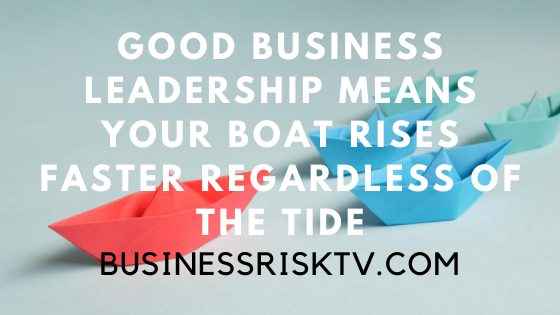
As John F. Kennedy aptly stated, “A rising tide lifts all boats.” When businesses operate efficiently and consumers spend wisely, the entire economic ecosystem benefits. Let’s work together, not just to survive, but to thrive in these turbulent times. By embracing cost control and savvy spending, we can navigate the inflationary waters and build a more resilient future for ourselves and our communities.
Bitcoin could ironically be the safe haven in 2024 storm?
Bitwise Breaks the Bank: $200 Million Seed Investment Signals Bitcoin ETF Dawn
December 31, 2023 | Keith Lewis – In a move that sent shockwaves through the cryptocurrency community, Bitwise Asset Management, a leading player in the digital asset space, has secured a staggering $200 million seed investment for its spot Bitcoin Exchange Traded Fund (ETF) filing with the US Securities and Exchange Commission (SEC). This landmark development not only validates Bitcoin’s growing institutional acceptance but also paints a tantalising picture for its price trajectory in 2024, potentially fuelled by a wave of new investors entering the market.
The hefty seed investment, spearheaded by prominent venture capital firms Paradigm and Sequoia Capital, speaks volumes about the confidence these titans of the tech world have in Bitwise’s ETF endeavour. While numerous attempts at securing a US-based Bitcoin ETF have met with regulatory hurdles, Bitwise’s meticulous adherence to SEC guidelines and its focus on a physically-backed ETF, holding actual Bitcoin in its treasury, could be the key to unlocking this long-awaited access point for investors.
Larry Fink’s “New Gold” Prophecy Rings True
BlackRock CEO Larry Fink’s recent pronouncement of Bitcoin as “one of the best inventions in finance” and “the new gold” adds further fuel to the fire. His endorsement, representing trillions of dollars under BlackRock’s management, signifies a crucial shift in institutional sentiment towards Bitcoin, paving the way for a potential stampede towards the digital asset once regulatory barriers crumble.
Implications for Bitcoin’s 2024 Price:
The potential approval of Bitwise’s ETF in 2024 could unleash a cascade of positive effects for Bitcoin’s price:
Increased Liquidity: An ETF would provide a readily available and convenient avenue for institutional investors to invest in Bitcoin, significantly boosting its liquidity and potentially reducing price volatility.
Enhanced Accessibility: Retail investors, previously hesitant due to the complexities of directly purchasing and storing Bitcoin, would gain a familiar and trusted entry point through their brokerage accounts.
Boosted Investor Confidence: Regulatory approval would serve as a major vote of confidence from the SEC, further legitimising Bitcoin in the eyes of traditional investors and potentially triggering a surge in demand.
While predicting future price movements remains a fool’s errand, analysts are abuzz with bullish projections for Bitcoin in 2024. Some experts forecast a potential doubling of its current price, exceeding $100,000, fueled by the combined forces of ETF approval, institutional inflows, and increased retail participation.
Beyond the Numbers: A Paradigm Shift
The significance of Bitwise’s seed investment and the potential approval of its ETF transcends mere price predictions. It marks a turning point in the mainstream adoption of Bitcoin, signalling its evolution from a speculative internet plaything to a bona fide asset class embraced by both Wall Street and Main Street. The ETF’s arrival could usher in a new era of financial inclusion, granting millions access to a previously opaque and complex investment landscape.
Of course, challenges remain. Regulatory hurdles still loom, and concerns around Bitcoin’s energy consumption and scalability persist. However, the seeds sown by Bitwise’s bold move and the growing chorus of endorsements from financial heavyweights like Larry Fink suggest that the tide is turning in Bitcoin’s favour. 2024 could be the year it truly shines, not just in terms of price, but as a potent symbol of a decentralised future reshaping the very fabric of finance.
Investment Disclaimer: This article is for informational purposes only and should not be construed as financial advice. Please consult with a qualified financial advisor before making any investment decisions.
Prepare better and react better with BusinessRiskTV Business Risk Watch
Navigating the Uncertain Seas: Key Elements for Your 2024 Risk Management Plan
As we stand at the precipice of 2024, the economic landscape appears shrouded in a veil of uncertainty. The IMF warns of a “fragile recovery,” the ECB echoes concerns of “heightened financial stability risks,” while the Bank of England and the Federal Reserve contemplate further interest rate cuts. In this climate of volatility, having a robust risk management plan in place is no longer a mere option, but a critical imperative for business leaders.
This article, penned by an experienced business risk management expert, serves as your guide in navigating these uncertain waters. We will delve into the key elements you must include in your 2024 risk management plan, drawing on insights from leading global financial institutions to equip you with the tools necessary to weather the coming storm.
1. Embrace a Forward-Looking Perspective:
Traditional risk management often adopts a reactive stance, focusing on mitigating known threats. However, in today’s rapidly evolving environment, such an approach is akin to navigating a storm with outdated weather charts. In 2024, it is crucial to adopt a forward-looking perspective, actively scanning the horizon for emerging risks and proactively constructing safeguards.
The IMF stresses this need for vigilance, stating, “Global risks remain elevated, and policymakers need to be prepared for potential shocks.” This necessitates incorporating scenario planning into your risk management framework. Consider various plausible economic, geopolitical, and technological scenarios, and assess their potential impact on your business operations. By anticipating potential disruptions, you can develop adaptive strategies that allow you to pivot and thrive even in unforeseen circumstances.
2. Prioritise Financial Resilience:
With central banks hinting at interest rate cuts and a potential economic slowdown looming, financial resilience should be at the core of your 2024 risk management plan. The Bank of England warns of “heightened vulnerabilities in the financial system,” highlighting the need for businesses to shore up their financial reserves. You need to get ready to seize new business opportunities as well as threats in 2024.
Here are some actionable steps you can take:
Conduct thorough stress testing to assess your ability to withstand various economic shocks.
Diversify your funding sources to reduce dependence on any single lender.
Tighten control over operational costs and implement measures to improve cash flow.
Build financial buffers to weather potential downturns.
Develop your ability as a business to be more innovative.
Remember, a robust financial position provides a critical safety net during turbulent times, allowing you to seize strategic opportunities while your competitors struggle.
3. Fortify Your Cybersecurity Defenses:
The digital landscape is increasingly fraught with cyber threats, ranging from sophisticated ransomware attacks to data breaches. As the ECB aptly states, “Cybersecurity risks remain a key source of financial stability vulnerabilities.” In 2024, businesses must prioritise fortifying their cybersecurity defenses to protect sensitive data and critical infrastructure.
Here are some essential steps to take:
Invest in robust cybersecurity software and regularly update it.
Implement rigorous employee training programs to raise awareness of cyber threats and best practices.
Conduct regular penetration testing to identify and address vulnerabilities in your systems.
Develop a comprehensive incident response plan to effectively handle cyber attacks.
Remember, a single cyber breach can inflict significant financial and reputational damage. By prioritising cybersecurity in your risk management plan, you can safeguard your business against these ever-evolving threats.
Here are some ways to cultivate a risk-aware culture:
Encourage open communication and transparency regarding potential risks.
Empower employees to report concerns and participate in risk identification processes.
Regularly train employees on risk management practices and procedures.
Reward employees for proactively identifying and mitigating risks.
By embedding risk awareness into your corporate fabric, you empower your employees to become active participants in safeguarding your business, creating a more resilient and adaptable organization.
5. Embrace Agility and Adaptability:
The volatile economic landscape of 2024 demands agility and adaptability. As the IMF aptly puts it, “Uncertainty remains high, and flexibility will be key.” This means being prepared to adjust your strategies and operations as circumstances evolve.
The year 2024 promises to be a year of economic uncertainty and potential turbulence. However, by incorporating the key elements outlined in this article, you can develop a robust risk management plan that safeguards your business and positions you for success. Remember, effective risk management is not a one-time exercise, but an ongoing process. Continuously monitor the evolving landscape, update your plan accordingly, and foster a culture of risk awareness within your organisation. By remaining vigilant, adaptable, and financially resilient, you can navigate the uncertain seas of 2024 and emerge stronger on the other side.
In closing, let us leave you with the words of Christine Lagarde, President of the European Central Bank: “Resilience is not built overnight. It requires constant vigilance, preparedness, and adaptation. Let us be the generation that builds stronger foundations for a more resilient future.”
Inflation and interest rates are not guaranteed to fall in 2024!
The Shanghai Containerised Freight Index: A Stormy Sea Ahead After Red Sea Attacks
The Shanghai Containerised Freight Index (SCFI), a key gauge of global shipping costs, has once again become a stormy sea, this time roiled by the recent attacks in the Red Sea in December 2023. While the index had been on a downward trend throughout 2023, offering hope for moderating inflation and easing supply chain pressures, the Red Sea disruptions have sent it surging back up, casting a shadow of uncertainty over the global economic outlook in 2024.
Prior to the Red Sea attacks, the SCFI had been on a steady decline since its January 2022 peak, dropping from over 5100 points to around 1250 points by December. This decline reflected some easing of congestion and pressure on shipping costs, raising hopes for a more stable economic climate.
However, the attacks on oil tankers and a commercial vessel near the Yemeni port of Hodeidah in December sent shockwaves through the shipping industry. The heightened security concerns and potential disruption to vital trade routes through the Red Sea have caused a sharp spike in the SCFI, pushing it back up to around 1800 points as of December 29, 2023.
Implications for Inflation and Interest Rates:
This sudden surge in the SCFI has significant implications for inflation and interest rates in 2024. As shipping costs rise, the price of imported goods increases, potentially fueling inflationary pressures. This could lead central banks to reconsider their monetary policy stances and potentially resume interest rate hikes to curb inflation.
The extent to which the Red Sea attacks impact inflation and interest rates will depend on several factors, including the duration of the disruptions, the effectiveness of security measures implemented, and the overall resilience of global supply chains. However, the potential for renewed inflationary pressures and tighter monetary policy is a cause for concern for businesses and consumers alike.
Risk Management Strategies for Business Leaders:
In this uncertain environment, business leaders must be prepared to navigate the choppy waters of the SCFI and mitigate the potential risks associated with rising shipping costs. Here are some key strategies to consider:
Diversify Supply Chains and Shipping Routes: Reduce reliance on Red Sea routes and explore alternative shipping routes and sourcing options to minimise exposure to disruptions.
Invest in Supply Chain Visibility: Enhance your ability to track shipments and anticipate potential delays to adjust inventory levels and production schedules.
Strengthen Supplier Relationships: Foster closer partnerships with key suppliers to ensure reliable supply and negotiate flexible pricing terms that account for fluctuating shipping costs.
Optimise Inventory Management: Implement data-driven inventory management practices to minimise carrying costs and optimise stock levels based on projected demand and SCFI trends.
Consider Flexible Pricing Models: Explore pricing models that can adjust to fluctuations in shipping costs and protect your profit margins.
By adopting these strategies, businesses can build resilience in their supply chains and navigate the challenges of a volatile SCFI in 2024.
Conclusion:
The recent spike in the SCFI serves as a stark reminder of the fragility of global supply chains and the potential for unforeseen events to disrupt the delicate balance of global trade. While the long-term impact of the Red Sea attacks remains uncertain, businesses must be prepared for a more challenging economic landscape in 2024. By remaining agile, diversified, and informed, businesses can weather the storm and emerge stronger in the face of an unpredictable shipping market.
Business development ideas for your business to grow faster in 2024
5 Keys to Unlocking Exponential Online Growth in 2024: An Online Marketing Expert’s Guide for Business Leaders
The digital landscape is a churning ocean, offering both immense opportunities and fierce competition. As 2024 crests the horizon, business leaders seeking to stay afloat and reach new heights must prioritise online expansion. But with countless strategies and tools swirling around, it’s easy to feel overwhelmed. Fear not, for this guide serves as your compass, outlining the top 5 things you can do ASAP to supercharge your online sales and propel your business forward.
1. Master the Magnet: Become a Content Powerhouse
“Content is king,” as Bill Gates famously declared, and in the digital realm, this truth reigns supreme. Your website and social media channels are prime real estate, and you must fill them with content that captivates, educates, and ultimately converts visitors into loyal customers.
Craft compelling storytelling: Don’t just sell products, sell experiences. Weave narratives that resonate with your target audience, highlighting your brand’s values and how you solve their problems. Remember, people connect with emotions, not just features.
Embrace diverse formats: Text, video, infographics, podcasts – the content buffet is vast. Experiment with different formats to cater to varied learning styles and preferences. Short, engaging videos can explain complex concepts, while in-depth blog posts can showcase your expertise.
Remember the evergreen: While trends come and go, high-quality evergreen content, like detailed product guides or industry reports, never loses its value. It drives consistent traffic and leads, becoming a cornerstone of your digital strategy.
Quote Power: “The key to successful content marketing is to create quality content that people want to share, with the intention of getting readers to come back for more.” – Jeff Bullas
2. SEO: The Unsung Hero of Traffic Acquisition
Search Engine Optimisation (SEO) is the invisible force that catapults your website to the top of search engine results pages (SERPs). The higher you rank, the more eyes land on your offerings, and the more sales you unlock.
Keyword research is your treasure map: Identify relevant keywords your target audience uses to search for products or services like yours. Tools like Google Keyword Planner and Ahrefs can be your guide.
Optimise your website content: Integrate these keywords naturally throughout your website, from page titles and headers to meta descriptions and blog posts. Remember, keyword stuffing is a digital sin – prioritise user experience and natural language.
Technical SEO: The engine under the hood: Ensure your website’s structure and code are optimised for search engines. Page loading speed, mobile-friendliness, and internal linking are crucial factors.
Backlinks are your currency: Earn high-quality backlinks from reputable websites, acting like votes of confidence in your content. Guest blogging, collaborating with influencers, and creating shareable content can help you earn these valuable links.
Quote Power: “The aim of SEO is to get people to find you when they’re looking for something. It’s not about manipulating search engines, it’s about providing a great user experience.” – Danny Sullivan
3. Embrace the Social Butterfly: Master Social Media Engagement
Social media is where you connect, converse, and build relationships with your audience. It’s not just about broadcasting promotional messages; it’s about creating a vibrant community.
Know your platform playground:Different platforms cater to different demographics and communication styles. Find where your target audience thrives – be it the visual feast of Instagram, the professional networking of LinkedIn, or the trending topics of Twitter.
Authenticity is your secret weapon: Be genuine, be transparent, and share your brand personality. Engage in conversations, respond to comments, and run interactive polls or contests. Show your audience the human side of your business.
Visual storytelling is key: High-quality images and videos capture attention and spark engagement. Showcase your products in action, share behind-the-scenes glimpses, and create visually appealing content that resonates with your audience.
Paid advertising can turbocharge your reach: Strategic social media advertising can get your content in front of a wider audience, particularly targeted toward specific demographics and interests. But remember, organic engagement is still king – use paid ads as a complementary tool, not a replacement for meaningful engagement.
Quote Power: “Social media is not about the platforms, it’s about the people. Connect with your audience, not just the customers.” – Simon Sinek
4. Personalisation: The Customer-Centric Compass
In today’s digital age, customers crave personalised experiences. They want to feel seen, heard, and understood. To unlock exponential growth, you must move beyond one-size-fits-all marketing and embrace personalisation.
Data becomes your crystal ball: Leverage customer data, website analytics, and purchase history to understand your audience’s preferences, pain points, and buying behavior. Use this information to tailor your marketing messages, product recommendations, and website content to their individual needs.
Dynamic content delivers: Implement dynamic content tools that personalise website experiences based on visitor data. Show targeted product recommendations, display relevant blog posts, and adjust website copy based on location or demographics. This creates a unique and engaging experience for each customer, increasing the likelihood of conversion.
Emailing with empathy: Segment your email lists and craft personalised messages that resonate with each segment. Offer targeted discounts, share relevant blog content, and celebrate important milestones like birthdays or anniversaries. Remember, automation is valuable, but authenticity is priceless.
Quote Power: “The aim of marketing is to know and understand the customer so well the product or service sells itself.” – Peter Drucker
5. Measure, Adapt, Thrive: Embrace the Growth Mindset
Your online marketing journey isn’t set in stone. It’s a continuous loop of experimentation, analysis, and improvement. Tracking your results is crucial to understanding what works and what needs tweaking.
Data, your faithful companion: Utilise analytics tools to monitor website traffic, engagement metrics, and conversion rates. Identify patterns, understand user behaviour, and pinpoint areas for improvement. Remember, A/B testing is your friend – test different headlines, call-to-actions, and website layouts to see what resonates best with your audience.
Agility is your superpower: Be prepared to adjust your strategies based on data insights. Don’t be afraid to pivot if a campaign isn’t performing or embrace new trends if they align with your target audience. Remember, the most successful businesses are those that learn and adapt quickly.
Embrace lifelong learning: Stay ahead of the curve by learning new marketing trends, attending industry events, and following thought leaders. The digital landscape is constantly evolving, and continuous learning is key to maintaining a competitive edge.
Quote Power: “It’s not the strongest of the species that survives, nor the most intelligent, but the one most responsive to change.” – Charles Darwin
In Conclusion:
The path to online growth in 2024 is paved with content, strategy, and a customer-centric approach. By leveraging these five keys and embracing a data-driven, adaptable mindset, you can unlock explosive growth for your business. Remember, success online is not a sprint, it’s a marathon. Be patient, be persistent, and most importantly, be passionate about connecting with your audience and delivering value.
This guide serves as your starting point, but the journey is yours to explore. So, step into the digital arena, wield your content sword, and conquer the online frontier. The future of your business awaits!
Make sure you know who could damage your business or present new opportunities for growth
2024: Navigating the Political Storm – A Business Leader’s Guide to Risk Management
As we gaze into the crystal ball of 2024, the political landscape shimmers with both opportunity and peril. For business leaders, navigating this terrain requires not just a keen eye for the market, but an astute understanding of the political forces that can shape – or shatter – their best-laid plans. Let’s look at political risk insights and risk management strategies needed to mitigate the biggest political risks of the year ahead.
The Looming Giants: Four Major Political Risks of 2024
The US Presidential Election: Buckle up, folks, it’s a wild ride. With the incumbent facing a resurgent opposition and a potential third-party candidate throwing a wrench in the gears, the 2024 US election promises to be a nail-biter. The volatility will spill over into global markets, impacting trade, investment, and even travel.
Quote: “Politics are almost as exciting as war, and quite as unpredictable.” – Winston Churchill
Geopolitical Tensions: The simmering tensions between major powers, fuelled by ideological clashes and resource competition, threaten to boil over in 2024. From the South China Sea to the Ukraine conflict, businesses with footprints in these volatile regions must prepare for disruptions and potential sanctions.
Quote: “In times of conflict, the law falls silent.” – Marcus Tullius Cicero
The Rise of Populism: The siren song of populism continues to enchant disillusioned voters, potentially ushering in leaders with unpredictable agendas and protectionist policies. Businesses reliant on open markets and global supply chains must adapt to navigate these shifting sands.
Quote: “A nation cannot exist half slave and half free.” – Abraham Lincoln
Climate Change and Social Unrest: As the existential threat of climate change intensifies, so too does the potential for social unrest and political instability. Businesses operating in vulnerable regions must factor in the possibility of protests, civil disobedience, and even government clampdowns.
Quote: “The Earth has provided for life for billions of years… it will do so for billions more without us.” – Carl Sagan
Risk Management Toolbox: Strategies for Weathering the Storm
Scenario Planning: Develop multiple scenarios based on different political outcomes, allowing you to adapt and pivot quickly. Think of it as playing chess ahead of time, considering all your opponent’s possible moves.
Diversification: Don’t put all your eggs in one basket. Spread your investments and operations across diverse regions and markets, diluting your exposure to any single political risk.
Lobbying and Engagement: Build relationships with policymakers and key stakeholders. Proactive engagement can ensure your voice is heard and your interests are considered as policies are formulated.
Crisis Communication: Have a clear communication plan in place for navigating potential crises. Transparency and timely updates can mitigate reputational damage and build trust with stakeholders.
Seek Expert Guidance: Don’t go it alone. Leverage the expertise of political risk consultants who can provide tailored insights and strategies for navigating complex political landscapes.
Remember, the key to successful risk management is not predicting the future, but being prepared for whatever it throws your way. By understanding the biggest political risks of 2024 and implementing these proactive strategies, you can turn uncertainty into a competitive advantage and steer your business toward continued success. And as Sun Tzu wisely advised, “Know the enemy and know yourself; in every battle, you will then be victorious.”
Currencies compete against each other and their value may not reflect their true worth!
The Sterling Saviour: Why America’s Woes, Not Britain’s Brawn, Bolster the Pound
Across the pond, a curious spectacle unfolds. The British pound, battered and bruised for years, has suddenly found favour, flexing its muscles against the mighty dollar in December 2023. While headlines trumpet a resurgent Britain, let’s hold the Union Jack confetti for a moment. This newfound strength has less to do with Britannia’s biceps and more to do with Uncle Sam’s wobbly ankles.
UK business leaders and consumers need to peek beyond the celebratory bunting and understand the true story behind the pound’s ascent. It’s not solely a tale of British brilliance, but rather a reflection of America’s deepening economic and political quagmire.
Debt Avalanche: When Uncle Sam Gets Buried Under Bills
America’s national debt has ballooned to astronomical heights, surpassing a staggering $30 trillion. This mountain of red ink, fueled by years of government overspending and tax cuts for the wealthy, casts a long shadow over the US economy. It cripples the government’s ability to invest in crucial infrastructure and social programs, while simultaneously saddling future generations with a crushing burden.
This debt tsunami isn’t limited to Uncle Sam’s coffers. American consumers are drowning in their own ocean of debt, with student loans, mortgages, and credit card balances reaching record levels. This mountain of personal debt hampers economic growth, as consumers tighten their belts and reduce spending.
The Fragile Colossus: Cracks in the American Banking System
These anxieties spill over into the global financial system, impacting the dollar’s perceived safe-haven status. Investors, spooked by American financial fragilities, seek refuge in alternative currencies, including the pound.
Political Pendulum: When Washington Becomes a Wobbling Circus
American politics have become a spectacle of division and dysfunction. Hyper-partisanship and gridlock in Washington make it nearly impossible to address pressing issues like inflation, healthcare, and climate change. This political uncertainty breeds economic anxiety, further weakening the dollar’s allure.
In contrast, the UK, despite its own political challenges, appears relatively stable. Brexit anxieties have subsided, and a new Prime Minister offers a semblance of direction. This perceived stability, compared to the American political rollercoaster, makes the pound a more attractive proposition for some investors.
Britannia’s Balancing Act: Not All Roses and Tea
Let’s not paint a rosy picture for the UK either. Britain grapples with its own set of economic woes, including rising inflation, a labour shortage, and dependence on volatile global markets. The war in Ukraine and ongoing supply chain disruptions further complicate the picture.
The Bank of England’s recent interest rate hikes, aimed at curbing inflation, could also dampen economic growth. A potential recession on the horizon would undoubtedly weaken the pound.
Navigating the Currency Crossroads: Cautious Optimism for UK Businesses and Consumers
So, where does this leave UK businesses and consumers? The pound’s recent strength offers a welcome respite, but it’s not a magic bullet. Businesses should exercise caution when making currency-dependent decisions, hedging against potential fluctuations. Diversifying markets and currencies can mitigate risk and ensure long-term stability.
For consumers, the stronger pound could translate to slightly cheaper imported goods and travel. However, inflationary pressures may offset these gains. Responsible budgeting and financial planning remain crucial, regardless of the pound’s performance.
In conclusion, the pound’s December surge is less a testament to British might and more a symptom of American malaise. A confluence of debt, financial fragility, and political uncertainty across the Atlantic has pushed investors towards the perceived relative stability of the UK. However, it’s vital to remember that Britain’s own economic challenges loom large.
For UK businesses and consumers, the message is clear: embrace cautious optimism. Enjoy the currency tailwind while it lasts, but prepare for potential choppy waters ahead. Focus on building resilience, diversifying risk, and making sound financial decisions, lest the tide turn once again. Remember, currency markets are a fickle beast, and the sun rarely shines eternally on any single shore.
If you don’t have confidence in your risk management modelling system, then you cannot have confidence in your risk management plan!
The Cloudy Crystal Ball: Why Economic Models Can’t Predict the Future (and What We Can Do About It)
As business leaders and consumers in the UK navigate the ever-turbulent waters of the global economy, one question looms large: can we trust the forecasts? Economic models, once hailed as oracles of the future, have stumbled badly in recent years, failing to anticipate major events like the 2008 financial crisis and the COVID-19 pandemic. This has left many wondering: are we all just flying blind?
The Limits of the Model Machine:
Economic models are not, and never will be, crystal balls. While these complex mathematical constructs can provide valuable insights into economic trends, they are inherently limited by a number of factors:
Incomplete Data: Economic models rely on historical data to identify patterns and relationships. However,the economy is a dynamic system,constantly evolving in unpredictable ways. New technologies, political upheavals, and natural disasters can all throw sand in the gears of even the most sophisticated model.
Human Factor Flaw: The economy is ultimately driven by human behaviour,which is notoriously difficult to predict. Models often struggle to account for factors like consumer confidence, investor sentiment, and political decision-making, leading to inaccuracies.
The Black Swan Problem: As Nassim Nicholas Taleb famously argued,unforeseen events – “black swans” – can have a profound impact on the economy. Models excel at predicting the familiar, but struggle to handle the truly unexpected.
The Governor’s Voice:
This point has been echoed by no less than Andrew Bailey, the Governor of the Bank of England, who, in a speech earlier this year, stated:
“Economic models are powerful tools, but they are not infallible. They are based on historical data and assumptions, and they can be blindsided by unexpected events. It is important to remember that models are not reality, they are just a simplified representation of it.”
Beyond the Model Maze:
So, if economic models cannot be relied upon for perfect foresight, are we doomed to make decisions in the dark? Absolutely not. While models may not provide infallible predictions, they can still be valuable tools for understanding the underlying dynamics of the economy. Here are some ways we can move beyond the limitations of models and make informed decisions in a world of uncertainty:
Embrace Scenario Planning: Instead of relying on a single “most likely” forecast, consider multiple scenarios, ranging from optimistic to pessimistic. This allows for a more nuanced understanding of potential risks and opportunities.
Focus on Leading Indicators: While lagging indicators, like GDP growth, tell us what has happened, leading indicators, like consumer confidence surveys, can provide clues about what might happen. By monitoring these signals, we can be better prepared for potential shifts in the economy.
Listen to the Ground: Don’t get lost in the data blizzard. Talk to businesses, consumers, and workers on the ground to get a sense of their lived experiences and concerns. This qualitative data can complement the quantitative insights from models and provide a more holistic understanding of the economic landscape.
Prioritise Adaptability: In a world of constant change, the ability to adapt is key. Businesses and consumers should focus on building resilience and flexibility into their plans, allowing them to adjust to unforeseen circumstances.
Conclusion:
Economic models are imperfect tools, but they are not useless. By understanding their limitations and employing additional strategies, we can move beyond the model maze and make informed decisions in an uncertain world. As Bank of England Governor Bailey reminded us, “The future is always uncertain, but by being prepared and adaptable, we can navigate the challenges ahead and build a more resilient economy.”
Some bank shares are still more than 90% off their peak pre 2008 financial crisis so there is no such thing as “safe as money in the bank”!
The Inflationary Storm: Are Cryptos Your Lifeboat?
A dark cloud hangs over the global economy. Whispers of recession turn into shouts, and governments, desperate to keep the ship afloat, resort to the familiar mantra: fiscal stimulus and quantitative easing. But what does this mean for your hard-earned money? Enter cryptocurrencies: a digital life raft in a sea of potential devaluation.
As a currency and economics expert, I’m here to navigate these choppy waters. Today, we’ll explore the potential for crypto as a hedge against fiat currency devaluation. We’ll dive into the economic storm, examine the limitations of traditional safeguards, and assess whether venturing into the crypto realm could be your best bet.
The Looming Devaluation:
Governments and central banks worldwide have injected trillions into their economies since the pandemic. This, coupled with supply chain disruptions and geopolitical tensions, is fuelling an inflationary fire. Fiat currencies, backed by nothing but government promises, are losing their purchasing power. A loaf of bread that cost $2 yesterday may cost $2.10 tomorrow, silently eroding your savings and future.
Traditional Safe Havens Fail:
Historically, gold and other precious metals have been go-to hedges against inflation. But their limited supply and physical constraints don’t cater to everyone’s needs. Real estate or property, another traditional option, suffers from high entry barriers and illiquidity.
This is where cryptocurrencies enter the picture. With their decentralised nature, limited supply, and global reach, they present a new, albeit volatile, option.
The Crypto Advantage:
Limited Supply: Unlike fiat currencies,many cryptocurrencies, like Bitcoin,have a predetermined cap on their supply. This scarcity helps limit inflation and potentially increases their value over time.
Decentralisation: Cryptocurrencies aren’t subject to the whims of governments or central banks. Their decentralised networks offer a buffer against devaluation policies used to stimulate economies.
Global Accessibility: Anyone with an internet connection can access and trade cryptocurrencies, regardless of location or financial standing. This democratises wealth management and opens doors to previously excluded individuals.
Store of Value: While their volatility often grabs headlines, cryptocurrencies like Bitcoin have exhibited long-term value appreciation. Their potential to act as a digital gold, a secure store of value in a turbulent economy, is undeniable.
The Risk Factor:
However, venturing into the world of cryptocurrencies isn’t without its risks:
Volatility: The crypto market is notoriously volatile. Prices can swing wildly, making them potentially unsuitable for risk-averse individuals.
Regulation: The regulatory landscape surrounding cryptocurrencies is still evolving, creating uncertainty and potential for government intervention.
Security: Crypto wallets and exchanges have been targets for hackers, highlighting the importance of choosing secure platforms and practicing safe storage methods.
Navigating the Crypto Waters:
So, should you dive into the crypto ocean as a hedge against devaluation? The answer depends on your individual circumstances and risk tolerance. If you’re looking for a safe haven, traditional options like gold might be better suited. However, if you have the risk appetite and are willing to do your research, cryptocurrencies could be a valuable addition to your portfolio.
Remember, diversification is key. Don’t put all your eggs in the crypto basket. Start with a small allocation, understand the risks involved, and invest only what you can afford to lose.
For Business Leaders:
Explore crypto’s potential as a payment option:Accepting cryptocurrencies can attract tech-savvy customers and expand your reach.
Educate your employees: Equip your team with the knowledge they need to understand and potentially utilise cryptocurrencies.
For Consumers:
Do your research: Understand the different types of cryptocurrencies and their underlying technologies before investing.
Diversify your portfolio: Don’t put all your eggs in the crypto basket.
Start small: Invest only what you can afford to lose, and remember the market is volatile.
Choose secure platforms: Store your cryptocurrencies in reputable wallets and exchanges.
Cryptocurrencies present a fascinating blend of opportunity and risk in the face of potential fiat currency devaluation. While not a guaranteed solution, they offer a novel approach to securing your financial future. Remember, knowledge is power in this realm. Educate yourself, assess your risk tolerance, and make informed decisions to weather the coming economic storm. The crypto lifeboat might just be the key to staying afloat in the inflationary seas ahead.
On December 19th, 2023, FedEx, the global logistics leviathan, delivered a bombshell. Their preliminary earnings report painted a grim picture, missing analyst expectations and prompting an ominous pronouncement from CEO Raj Subramaniam: “We see a global recession coming.” With FedEx serving as a crucial artery for international trade, its tremors sent shockwaves through the business world, sparking concerns about the trajectory of the global economy. For business leaders, the message is clear: pay heed, for FedEx’s woes are a stark canary in the coal mine, signalling potential turbulence ahead.
FedEx: A bellwether in a storm
FedEx occupies a unique position in the economic ecosystem. Its vast network, spanning over 220 countries and territories, transports 4.7 billion parcels annually, serving as a barometer of global trade activity. When businesses and consumers are flourishing, so does FedEx. Conversely, when economic headwinds blow, the first chill is often felt within its corridors. This symbiotic relationship is precisely why FedEx is considered a bellwether – an early indicator of economic health.
A Perfect Storm of Gloom:
The reasons behind FedEx’s current predicament are multi-faceted, forming a perfect storm of economic anxieties.
Global Economic Slowdown: The world is experiencing a synchronised slowdown, with major economies like the US, Europe, and China grappling with inflation, rising interest rates, and geopolitical tensions. This dampens consumer spending and business investment, directly impacting the volume of goods shipped and,consequently, FedEx’s bottom line.
E-commerce Plateau: The explosive growth of e-commerce, a major driver of package volume for FedEx, appears to be reaching a plateau. Consumers are tightening their belts, opting for essential purchases over online splurges. This shift weakens the e-commerce engine that had been propelling FedEx in recent years.
Operational Misfires: Beyond external factors, FedEx has faced internal challenges. Labour shortages, network disruptions, and integration hiccups within its TNT acquisition have hampered efficiency and added to costs. These internal missteps exacerbate the impact of external headwinds.
The Ripple Effect:
The tremours of FedEx’s struggles extend far beyond the company itself. As a bellwether, its woes signal potential trouble for various stakeholders:
Businesses: A global recession would translate to reduced demand, disrupted supply chains, and tighter credit conditions. This can lead to lower profits, stalled investments, and layoffs, impacting businesses of all sizes across industries.
Investors: The stock market’s reaction to FedEx’s report is indicative of broader anxieties. A sustained economic downturn could trigger further market volatility, eroding investor confidence and hindering capital flows.
Consumers: A recession typically results in job losses, wage stagnation,and reduced disposable income. This translates to less spending and increased economic anxiety for consumers, further dampening economic activity.
A Call to Action for Business Leaders:
FedEx’s struggles serve as a stark warning for business leaders across the globe. It is not a time for complacency, but for prudent preparation and proactive adaptation. Here are some key actions to consider:
Scenario Planning: Develop contingency plans for various economic scenarios, including a potential recession. This way, businesses can adjust strategies, optimise cost structures, and weather potential storms.
Focus on Efficiency: Identify and eliminate operational inefficiencies. Streamline processes, optimise supply chains, and leverage technology to reduce costs and improve resilience.
Prioritise Agility: Embrace a culture of flexibility and adaptability. Be ready to pivot strategies, adjust product offerings, and shift focus to meet changing market conditions.
Invest in Innovation: Seek innovative solutions to enhance customer experience, improve product offerings, and gain a competitive edge in a challenging market.
Foster Collaboration: Build strong relationships with partners, suppliers, and customers. Open communication and collaboration can help navigate tough times and identify shared solutions.
In conclusion, FedEx’s current woes are not an isolated phenomenon. They are a reflection of broader economic anxieties that should serve as a wake-up call for business leaders worldwide. By acknowledging the headwinds, preparing for potential turbulence, and implementing proactive strategies, businesses can navigate the uncertain waters ahead and emerge stronger on the other side. The time for action is now, and the canary’s song should not be ignored. By taking heed and adapting, businesses can not only weather the storm brewing on the horizon but also emerge into calmer waters, ready to thrive in the post-recessionary landscape.
Understand the growing threat of financial collapse
The Dangers to Businesses and People from Eurozone Bank Stress and Loan Defaults: An Expert Perspective
The Eurozone banking sector is facing a number of challenges, including rising interest rates, slowing economic growth, and increased loan defaults. These factors are putting stress on banks’ balance sheets and making it more difficult for them to lend to businesses and consumers. If these trends continue, they could lead to a financial crisis that would have severe consequences for businesses and people across the Eurozone.
The Impact of Eurozone Bank Stress on Businesses
Businesses rely on banks to provide them with the credit they need to operate and grow. When banks are under stress, they are more likely to tighten lending standards and raise interest rates. This can make it difficult for businesses to get the loans they need to invest in new equipment, hire new employees, and expand their operations. As a result, businesses may be forced to cut back on their spending, which can lead to slower economic growth and job losses.
In addition, businesses that are unable to obtain loans from banks may turn to riskier forms of financing, such as borrowing from high-interest lenders or taking on more debt. This can increase their financial risk and make them more vulnerable to economic downturns.
The Impact of Eurozone Bank Stress on People
People also rely on banks for a variety of financial services, such as checking and savings accounts, mortgages, and auto loans. When banks are under stress, they may reduce their hours of operation, close branches, and increase fees. This can make it more difficult for people to access the financial services they need.
In addition, if banks are forced to raise interest rates, this will make it more expensive for people to borrow money. This could lead to an increase in household debt and make it more difficult for people to make ends meet.
The Dangers of Loan Defaults
Loan defaults are a major concern for banks because they can significantly erode their capital. When a borrower defaults on a loan, the bank loses the money it lent out, and it may also have to pay legal fees and other expenses to collect the debt. This can quickly eat into the bank’s capital, which is the money it needs to operate and withstand financial shocks.
If banks are not able to maintain adequate capital levels, they may be forced to reduce their lending activities or even go bankrupt. This would have a devastating impact on the economy, as it would make it even more difficult for businesses and consumers to get the credit they need.
Policy Options to Address Eurozone Bank Stress
There are a number of policy options that could be taken to address Eurozone bank stress and reduce the risk of loan defaults. These include:
Providing additional regulatory capital relief to banks: This would help banks to build up their capital buffers and make them more resilient to financial shocks.
Encouraging banks to securitise their loans: Securitisation is a process of pooling loans together and selling them to investors as securities. This can help banks to reduce their exposure to individual borrowers and spread out their risk.
Implementing stricter lending standards: This would help to ensure that banks are only lending to borrowers who are able to repay their loans.
Improving the quality of credit data: This would help banks to make better lending decisions and reduce the risk of loan defaults.
Conclusion
Eurozone bank stress and loan defaults pose a significant threat to businesses and people across the Eurozone. If these trends continue, they could lead to a financial crisis that would have severe consequences. Policymakers need to take action to address these challenges and reduce the risk of a financial crisis.
More business risk management articles videos and risk reviews

Why the UK Cannot Complete Major Infrastructure Projects on Time and Within Budget
The UK has a long history of struggling to deliver major infrastructure projects on time and within budget. This has led to a number of high-profile delays and cost overruns, as well as a growing public frustration with the way in which infrastructure projects are managed.
There are a number of factors that contribute to the UK’s poor record on infrastructure delivery. These include:
A lack of long-term planning and strategic thinking. The UK government has often been accused of adopting a short-term approach to infrastructure planning, which has led to a lack of consistency and continuity.This has made it difficult to develop a long-term pipeline of projects that can be delivered efficiently.
A complex and fragmented procurement process. The UK’s procurement process is often complex and time-consuming,which can lead to delays and cost overruns. This is partly due to the fact that there is a lack of standardisation and consistency across different government departments and agencies.
A lack of expertise in managing large infrastructure projects. There is a shortage of skilled project managers in the UK, which can make it difficult to find the right people to lead and manage complex projects. This is compounded by the fact that many project managers in the UK are not properly trained or experienced.
A lack of political will to make tough decisions. The UK government has often been unwilling to make the tough decisions that are necessary to deliver major infrastructure projects on time and within budget. This is partly due to a fear of political backlash, but it is also due to a lack of understanding of the importance of infrastructure investment.
These factors have all contributed to a culture of risk aversion within the UK’s infrastructure industry. This has led to a focus on minimising risks rather than maximising value for money. As a result, projects are often over-engineered and over-specified, which leads to delays and cost overruns.
How to improve the UK’s record on infrastructure delivery
There are a number of things that the UK government can do to improve its record on infrastructure delivery. These include:
Develop a long-term infrastructure plan. The UK government needs to develop a long-term infrastructure plan that sets out the country’s infrastructure needs for the next 20 to 30 years. This plan should be based on a clear understanding of the country’s economic and social needs, and it should be regularly reviewed and updated.
Streamline the procurement process. The UK government needs to streamline the procurement process to make it more efficient and transparent.This could be done by standardising procurement procedures across different government departments and agencies, and by making more use of technology.
Invest in training and skills development. The UK government needs to invest in training and skills development to ensure that there is a sufficient supply of skilled project managers. This could be done by supporting professional development programs and by providing funding for apprenticeships and other training initiatives.
Make tough decisions. The UK government needs to be willing to make the tough decisions that are necessary to deliver major infrastructure projects on time and within budget. This includes making decisions about project scope, risks, and procurement.
Focus on value for money. The UK government needs to focus on value for money when delivering infrastructure projects. This means ensuring that projects are delivered to the highest possible standard, while also ensuring that they are delivered on time and within budget.
Improve project management practices. The UK government needs to improve project management practices across the public sector. This could be done by providing training and support to project managers, and by developing and implementing project management standards.
Increase investment in infrastructure. The UK government needs to increase investment in infrastructure. This will help to address the country’s infrastructure deficit and create jobs.
Publicly disclose project details. The UK government needs to publicly disclose all project details, including costs, risks, and timelines. This will help to improve transparency and accountability.
Appoint a dedicated infrastructure minister. The UK government needs to appoint a dedicated infrastructure minister who will be responsible for overseeing the delivery of all major infrastructure projects.
By taking these steps, the UK government can improve its record on infrastructure delivery and ensure that future projects are delivered on time and within budget.
In addition to the above, I would also like to add that the UK government needs to adopt a more collaborative approach to infrastructure delivery. This means working more closely with the private sector, as well as with local communities. By working together, the government and the private sector can share risks and expertise, and develop innovative solutions to infrastructure challenges.
The UK government also needs to be more open to using new technologies, such as modular construction and 3D printing. These technologies can help to reduce the time and cost of delivering infrastructure projects.
Use our Pro Risk Manager service to reduce the impact of uncertainty on your business objectives
Explore new ways to grow your business online with BusinessRiskTV. Grow your business online today. Learn how to expand business with our help and support.
How to grow your business fast with BusinessRiskTV
Celebrate Your Online Business Growth With Pro Risk Manager
Our Pro Risk Manager service will protect your business better and provide practical tools and techniques to increase your online sales to maximise your profit.
Increase brand awareness ideas
Brand Awareness Campaign Ideas With BusinessRiskTV.com
If people searching for your type of products or services do not find you they will go to your competitors
Improving business performance
Enterprise Risk Management Health Check
There are many ways to improve your business performance. Are you suffering interruptions to your normal business trading ability? Could you be missing opportunities to increase your online sales? Are you really making your existing assets and resources work productively and efficiently?
Online Exhibition Platform
Online Exhibition Platform With BusinessRiskTV
We have a number of virtual exhibition platforms to showcase the best of your business online. Pick the best online exhibition platform for your country or industry.
Virtual Exhibition Platform To Showcase Your Business Products and Services To Buyers Already Interested In Your Type Of Business Offering
Innovative ideas for company growth
Business Growth With Less Uncertainty Forums
Business Coaching Packages
Business Coaching Services
Your dedicated online business coach will work with you and your colleagues to help drive your business forward faster
Look at your business risks through the eyes of other business risk management experts
A fresh pair of eyes will help you see threats to your business assets and opportunities for business growth. Build your business resilience and develop your online income streams with BusinessRiskTV risk management experts.
Reduce cost of being in business and boost your purchasing power
Enterprise Risk Management Best Practices Explored Online With BusinessRiskTV.com
Ways To Improve Business Performance with BusinessRiskTV
Use our livestream selling platform to grow your business faster more profitably
LiveStream Shopping Will Grow Your Business With Help From BusinessRiskTV
Our Live Stream Shopping Platform will boost your profit. Increase your reach to new customers to expand your online sales. Adopt good eCommerce solutions to improve your cash flow and strengthen your business resilience. Tap into rising demand for an online shopping experience with live video shopping. Our live video selling opportunities will increase your online sales conversions. Our LiveStream shopping experience incorporates live video content, interactive communication with potential new buyers and the ability for new customers to seamlessly buy or save featured products or services directly from you online.
Livestream Shopping enables your new audience explore your offering. Potential new customers will interact through their comments, likes and eCommerce opportunities to sell more online.
Offer LiveStream Shopping to your online audience with BusinessRiskTV
Sell your products or services direct to new buyers who discover your brand online with our help. Sell more locally nationally and even globally. Our live-shopping platform will increase your online sales and your profit.
Solve new potential customer problems before they move on.
Grab their online purchasing power before your competitors do.
Ask buyer blocking questions to make it easier for people to buy there and then online.
The heightened level of engagement with potential new customers gives you more time to showcase why new customers should buy from you and buy today!
Flash Sales To Fill Unused Service Capacity Or Unsold Stock
Deploy our LiveStream Shopping Service to maxise your profit when you want to. Give more people the opportunity to grab and bargain whilst you boost your profit.
Grow your business faster with BusinessRiskTV help.
Create a new brand live experience for your potential new customers.
Expand your online sales faster.
Our flexible cost-effective Live Shopping Service will more rapidly flex your online sales. Start selling more products or services online with our new live selling service. Live streaming combine with E-commerce will secure boost your online sales. Our interactive live-streaming ecommerce platform brings potential new customers to your business more quickly more profitably.
Sell to new customers down the road or to the other side of the world
Make Products Shoppable With Livestream
To make your products or services more shoppable through live streaming in the UK, you can follow these tips:
Showcase the products: Make sure to highlight the key features and benefits of your products during the live stream. Demonstrate how the products can be used and what makes them unique.
Interact with your audience: Encourage your audience to ask questions and engage with them in real-time. This not only helps build trust but also provides valuable insights into what your audience is looking for.
Offer special promotions: Consider offering exclusive deals or discounts to viewers who make a purchase during the live stream. This can create a sense of urgency and drive sales.
Make the process seamless: Ensure that your e-commerce platform is integrated with your live stream so that viewers can easily make a purchase. Make the checkout process smooth and secure to minimise any friction.
Partner with influencers: Consider partnering with influencers or social media personalities who have a large following in the UK. This can help you reach a wider audience and increase brand awareness.
Utilise social media: Promote your live stream on your social media channels and engage with your followers. This can help drive traffic to your live stream and increase the chances of making a sale.
Provide excellent customer service: Make sure to provide excellent customer service during and after the live stream. Respond promptly to any questions or concerns and follow up with customers to ensure they are satisfied with their purchase.
Do not tar Lloyds bank with the same toxic brush of the UK banking industry
People think Lloyds bank is a big bad bank that was part of the financial crisis of 2008. Lloyds bank was in fact one of the hero’s of the financial crisis. Lloyds bank saved the Halifax brand including the Bank Of Scotland whose executives were the real baddies along with the Royal Bank of Scotland now Natwest. By saving the Halifax plc group of bank brands it helped stop the implosion of the UK economy.
If Lloyds bank had not stepped in when it did, Halifax plc group of bank brands would have collapsed and a major domino would have irreparably damaged the UK economy. If we thought it was bad economically with austerity and job losses in UK, without Lloyd’s intervention to takeover Halifax plc it would have been catastrophic. Anarchy on the streets would have resulted and the UK would have entered a period of lifespan that would have been worse than World War 2. We came back economically after Word War 2. If Lloyd’s bank had not stepped in the UK would be more like Venezuela now.
From the financial crisis Lloyds Bank has tried hard to make matters worse including but not limited to PPI scandal where more than £20 billion pounds worth of shareholder value was destroyed. Incompetent greedy executives poorly directed employees to make repeated missteps post financial crisis 2008 to make matters worse. Added to this Lloyds bank has had to manage the risks from external sources including Brexit and Covid-19 pandemic.
However Lloyds bank is now very far from the perceived bad bank it had become. Prior to the 2008 financial crisis Lloyds bank was a boring bank. Investors loved the fact it was a traditional boring bank. It’s share price was £6 plus and it paid out relatively gigantic dividends every year to support pension funds, pensioners and other investors. Lloyds bank had no choice but to take over basket case Halifax plc. If Lloyds bank did not takeover Halifax plc basket of bank brands it is likely that Lloyd’s bank would have collapsed due to the domino effect. As Halifax plc and Royal Bank of Scotland folded they would have swamped the position of Lloyds bank as the UK economy went into a nosedive it is unlikely to have recovered from for many decades, if ever.
The only positive for Lloyds bank’s takeover of Halifax plc bank brands is that in all other circumstances Lloyds bank would never have been allowed to takeover Halifax plc by the UK competition authorities. Lloyds would have become too powerful in the marketplace. As it is, the only real risk to Lloyds bank is that it could be broken up as it is too dominant in for example the mortgage market.
Lloyds is the biggest player in the UK mortgage market. In a marketplace where the UK housing market is booming a share price of less than £0.45 is a joke!
Lloyds bank has come through the PPI scandal. Having destroyed shareholder value in the past, the laws have been changed to largely cap any future payouts under the PPI heading.
Brexit has now happened. Whether this is good or bad for the UK economy depends on which half of the UK adult population stand on Brexit. What is perhaps clear is that if it is going to impact negatively on the UK business community it is not going to be catastrophic. It may even been hugely beneficial to UK businesses. Lloyds bank will not be significantly impacted negatively by Brexit and may be impacted on the positive side.
The Covid-19 pandemic is far from over. However the UK vaccination programme and its likely adaptation to combat virus variations means the UK economy is now through the worst. The only question is how good will the future be? Lloyds bank can easily navigate the future risks if, as it has done, navigated the worst of the pandemic in the UK.
Another enterprise risk management article looks at the UK economy as a whole in the spring of 2021. Essentially most things point to exceptional UK economic growth through 2021 and 2022. Lloyds bank is perhaps uniquely placed to take advantage of any such economic growth. Its strategy is based on making money from UK consumer and UK business confidence and growth, both of which are at record all time highs.
If interest rates rise it will give all banks more opportunities to be profitable. With UK interest rate at record low of 0.1 percent banks will win from interest rate rises. Interest rates are not going to go negative.
Unemployment in UK is a key threat to UK banks. However many predict the UK unemployment is not going to be any way near as bad as was feared due to pandemic. Indeed if the vaccination roll out continues as hoped, unemployment rates are likely to be slightly above pre-pandemic levels. Certainly not at levels that would threaten Lloyds bank profit.
Lloyds bank has comparatively high profit margin compared to many UK banks so is more protected from downside risks.
UK consumers have paid off debt and saved more during the pandemic. When their spending power is fully unleashed on the UK economy post June 2021 the UK is going to see an economic growth not experienced since post World War 2 period. Lloyds bank is ideally placed via mortgage and non-mortgage lending to take advantage of this revitalisation of UK economy.
Lloyds bank was never the bad bank. It had to takeover the greedy and incompetent at Halifax plc. During that process it has had to manage internal and external risk drivers. It is likely that Lloyds bank’s worst days are behind it. Lloyds bank would have to work really hard to screw up its current opportunities for exponential growth.
Affordable Online Small Business Coaching Packages | eBusiness Mentor Service
Unlock your business potential with BusinessRiskTV.com’s eBusiness Mentor Service! Our tailored online small business coaching packages provide affordable, one-on-one mentorship designed specifically for entrepreneurs. Benefit from practical tools and techniques to accelerate your growth and navigate challenges effectively. Whether you’re starting a new venture or looking to expand your established business, our flexible coaching blocks allow you to choose the support you need. Gain insights from experienced business coaches and transform your approach to risk management and decision-making. Invest in your success today – sign up for our coaching packages and join a community of thriving small business leaders at BusinessRiskTV.com!
A flexible small business coaching package is affordable and delivered online
Business coaches for entrepreneurs. Use our eBusiness Mentor Service. Online small business coaching packages are tailored to your business priorities. Start or grow your small business with help from small business coach. ebusiness coaching mentoring provides practical tools and techniques to grow your business faster. A one to one business mentor will work with you to help you achieve greater success quicker. Get more out of your investment of time and money in your business. Every small business coaching package is arranged in blocks. You can buy more support if it works for your business.
Discover the best small business coaching package for your business.
Guide On Saving A Struggling Small Business With BusinessRiskTV
Struggling Small Business Guide
A Guide to Saving a Struggling Small Business in the UK
Small businesses play a crucial role in the UK economy, contributing to job creation, innovation, and local communities. However, even the most resilient businesses can face challenging times. Economic downturns, unforeseen circumstances, or poor management can lead to a struggling business. If you find yourself in this situation, it’s essential to take proactive steps to turn the tide and revitalise your small business. In this guide, we will explore strategies to save a struggling small business in the UK and set it on a path towards success.
Assess the Current Situation: To save a struggling small business, the first step is to conduct a thorough assessment of its current situation. Start by analysing your financial records, including cash flow statements, profit and loss statements, and balance sheets. Identify areas where costs can be reduced or revenue can be increased. Look for patterns or trends that indicate underlying issues. Additionally, assess your business’s market position, competition, and customer feedback to gain insights into areas that require improvement.
Develop a Turnaround Plan: Once you have a clear understanding of your small business’s challenges, it’s time to develop a comprehensive turnaround plan. This plan should outline specific objectives, strategies, and tactics to address the identified issues. Consider the following key elements:
a) Financial Restructuring: Explore options for debt consolidation, renegotiating contracts, or seeking additional financing. Develop a realistic budget and cash flow forecast to ensure financial stability.
b) Operational Efficiency: Streamline operations by identifying inefficiencies, eliminating redundant processes, and optimising resource allocation. Look for ways to reduce overhead costs without compromising quality.
c) Marketing and Sales: Evaluate your marketing and sales strategies. Identify target markets, refine your value proposition, and leverage cost-effective marketing channels. Enhance customer engagement and explore new avenues for revenue generation.
d) Customer Experience: Focus on improving customer satisfaction by delivering exceptional products or services. Encourage feedback, implement suggestions, and address any issues promptly. Cultivate customer loyalty and retention through personalised experiences.
Seek Professional Advice: In challenging times, seeking professional advice can provide valuable insights and guidance. Consider engaging the services of a business consultant, accountant, or financial advisor experienced in turnaround strategies. They can help you analyse your business, identify blind spots, and offer tailored solutions. Additionally, they may provide recommendations on accessing government support schemes or grants designed to assist struggling businesses.
Embrace Innovation and Adaptation: In a rapidly changing business landscape, embracing innovation and adaptability is crucial. Identify opportunities to diversify your offerings or enter new markets. Stay up to date with industry trends and technological advancements that can enhance your competitive edge. Explore digital transformation initiatives, such as e-commerce integration, online marketing, or process automation. By continuously evolving, you can keep your business relevant and resilient.
Engage and Motivate Employees: Your employees are vital assets in turning around a struggling small business. Engage them in the turnaround process by fostering open communication, transparency, and a shared sense of purpose. Encourage their creativity and input, as they may offer valuable suggestions for improvement. Recognise and reward their efforts to boost morale and motivation during challenging times. Provide training and development opportunities to enhance their skills and adapt to changing business needs.
Monitor Progress and Adjust: Implement key performance indicators (KPIs) to monitor the progress of your turnaround plan. Regularly review financial and operational metrics to gauge the effectiveness of your strategies. Stay agile and be prepared to adjust your plan based on emerging trends or unforeseen circumstances. Learn from both successes and failures, and continuously refine your approach to ensure sustainable growth.
Saving a struggling small business in the UK requires a proactive and strategic approach. By assessing the current situation, developing a comprehensive turnaround plan, seeking professional advice, embracing innovation, engaging employees, and monitoring progress, you can increase the chances of revitalizing your business and setting it on a path towards success.
Remember that turning around a struggling business takes time, effort, and resilience. It requires a willingness to adapt to changing market conditions, make tough decisions, and implement necessary changes. Be open to feedback, stay focused on your objectives, and remain flexible in your approach.
Furthermore, don’t hesitate to leverage available resources and support networks. The UK government provides various initiatives, grants, and support schemes for struggling businesses. Stay informed about these opportunities and explore how they can assist you in your turnaround efforts.
Lastly, remember that you are not alone. Seek support from fellow entrepreneurs, industry associations, or business networks. Sharing experiences and learning from others who have successfully navigated similar challenges can provide valuable insights and inspiration.
While saving a struggling small business is undoubtedly challenging, it is not impossible. With determination, strategic planning, and a willingness to adapt, you can overcome obstacles and breathe new life into your business. By implementing the strategies outlined in this guide and seeking the necessary support, you can set your small business on a path towards long-term viability and success.
Remember, every setback is an opportunity for growth and improvement. Stay committed, stay focused, and never lose sight of your vision for your small business.
Make Most Of Your Business Opportunities With Executive Coaching Services From BusinessRiskTV
Empowering Small Businesses Through Tailored Coaching Packages
Starting and growing a small business can be both an exhilarating and challenging journey. With numerous responsibilities and ever-evolving market dynamics, entrepreneurs often find themselves navigating a landscape filled with uncertainty. This is where BusinessRiskTV.com steps in, offering flexible and affordable online small business coaching packages designed to meet the unique needs of each entrepreneur.
The Need for Small Business Coaching
Understanding the Challenges
Small businesses face a myriad of challenges that can hinder their growth and success. From managing finances and marketing to navigating regulatory requirements and competitive pressures, entrepreneurs must juggle multiple tasks. Often, they may lack the necessary experience or resources to tackle these challenges effectively. This is where a business coach can make a significant difference.
The Value of Coaching
A business coach serves as a mentor, guide, and strategist, helping small business owners develop the skills and knowledge necessary to overcome obstacles. With tailored coaching, entrepreneurs can gain fresh perspectives, practical tools, and actionable strategies to enhance their business performance.
Introducing Our eBusiness Mentor Service
At BusinessRiskTV.com, we offer an innovative eBusiness Mentor Service that provides personalised coaching for small business leaders. Our online coaching packages are designed to be flexible, affordable, and easily accessible, ensuring that entrepreneurs can receive the support they need, no matter where they are located.
Key Features of Our Coaching Packages
1. Tailored Approach: Each coaching package is customised to align with your specific business priorities and goals. This ensures that you receive the most relevant and impactful guidance.
2. One-on-One Mentorship: You will work directly with an experienced business mentor who will focus on your unique challenges, providing insights and strategies that drive success.
3. Practical Tools and Techniques: Our coaching packages equip you with actionable tools and techniques to implement immediately, allowing you to grow your business faster.
4. Flexible Blocks of Sessions: Our coaching is arranged in blocks, giving you the flexibility to purchase additional support as needed. This allows you to scale your coaching experience according to your business’s evolving requirements.
5. Affordable Investment: We understand the financial constraints small businesses often face. Our coaching packages are designed to be budget-friendly, ensuring you can invest in your growth without breaking the bank.
How Our Coaching Packages Work
Initial Consultation
Your journey begins with an initial consultation where we assess your current business landscape. During this session, we identify your primary challenges and establish a clear set of goals. This foundational step allows us to customise your coaching experience effectively.
Structured Coaching Sessions
Our coaching packages typically consist of a series of structured sessions. Here’s how it works:
1. Identifying Goals: In the early sessions, we work together to define your business objectives and outline a roadmap to achieve them.
2. Strategic Planning: We delve into strategic planning, analysing your business model, target market, and competitive landscape. This helps in creating a solid plan for growth.
3. Practical Implementation: As we progress, we focus on implementing strategies and tools that facilitate growth. This includes marketing techniques, financial management strategies, and operational improvements.
4. Ongoing Support: You will have access to ongoing support through additional sessions, allowing for continuous improvement and adjustment of strategies as your business evolves.
Flexible Coaching Blocks
Our coaching packages are arranged in flexible blocks, allowing you to choose the number of sessions that best fits your needs. If you find that you require more support, you can easily purchase additional blocks to continue your mentoring journey.
Benefits of Our Small Business Coaching Packages
Accelerated Growth
By leveraging the expertise of a business coach, small business owners can accelerate their growth trajectory. Coaches provide the insights and strategies needed to make informed decisions quickly, enabling businesses to capitalise on opportunities faster.
Enhanced Accountability
Having a business mentor fosters a sense of accountability. Regular check-ins and goal-setting sessions encourage entrepreneurs to stay focused on their objectives, making it easier to track progress and make necessary adjustments.
Improved Decision-Making
Coaching provides small business leaders with access to a wealth of knowledge and experience. This guidance enhances decision-making capabilities, allowing entrepreneurs to navigate challenges more effectively.
Networking Opportunities
Through our coaching programme, entrepreneurs gain access to a network of like-minded individuals. This community can offer additional support, resources, and opportunities for collaboration, further enriching the coaching experience.
Who Can Benefit from Our Coaching Packages?
New Entrepreneurs
For those just starting their entrepreneurial journey, our coaching packages offer essential guidance. New business owners can benefit from mentorship that helps them navigate the early stages of business development, laying a strong foundation for future growth.
Established Small Business Owners
For established businesses, our coaching can help refine existing strategies and explore new growth opportunities. Coaches can provide insights into market trends, operational efficiencies, and innovative approaches to expand your business.
Non-profit Organisations
Our coaching services are not limited to for-profit businesses. Non-profit organisations can also benefit from our tailored coaching, helping them improve their operations, fundraising strategies, and community impact.
Success Stories from Our Clients
To illustrate the impact of our coaching services, let’s explore some success stories from clients who have experienced transformative growth through our eBusiness Mentor Service.
Case Study: Tech Startup Growth
Client: Jane D., Founder of a Tech Startup
Challenge: Jane launched her tech startup but struggled with market positioning and attracting customers.
Coaching Impact: Through tailored sessions, Jane identified her target audience and refined her marketing strategy. She implemented actionable steps provided by her coach, resulting in a 150% increase in customer acquisition within six months.
Case Study: Non-profit Expansion
Client: Mark T., Director of a Non-profit Organisation
Challenge: Mark’s organisation faced challenges in fundraising and community engagement.
Coaching Impact: With guidance from his business mentor, Mark developed a comprehensive fundraising strategy and enhanced community outreach efforts. Within a year, the organisation doubled its funding and increased volunteer participation by 40%.
Case Study: Retail Business Revamp
Client: Linda K., Owner of a Local Retail Store
Challenge: Linda faced declining sales and increased competition from online retailers.
Coaching Impact: Through targeted coaching sessions, Linda revamped her business model, incorporated e-commerce, and improved customer service. As a result, her store saw a 30% increase in sales over the following year.
Getting Started with BusinessRiskTV.com
How to Sign Up
Joining our eBusiness Mentor Service is simple. Explore our coaching packages with one of our consultants. You can choose the option that best fits your needs and schedule your initial consultation. Our team will guide you through the process, ensuring a seamless experience.
Choosing Your Coach
We understand that the right coaching relationship is critical to your success. At BusinessRiskTV.com, we take the time to match you with a mentor whose expertise aligns with your business goals. This personalised approach ensures that you receive the most relevant guidance.
Flexible Scheduling Options
Our online platform allows for flexible scheduling, making it easy to fit coaching sessions into your busy calendar. Whether you prefer morning or evening sessions, we strive to accommodate your needs.
Conclusion
Starting and growing a small business is an exciting journey filled with challenges and opportunities. With the right support, entrepreneurs can navigate the complexities of business management and achieve greater success.
BusinessRiskTV.com offers flexible, affordable online small business coaching packages that empower you to take control of your business’s future. Our eBusiness Mentor Service provides tailored guidance, practical tools, and one-on-one mentorship to help you grow your business faster and more efficiently.
If you’re ready to invest in your business’s success, explore our coaching packages today and discover how BusinessRiskTV.com can help you turn your entrepreneurial dreams into reality. Join our community of empowered small business leaders and start your journey towards success!
Making the most from the opportunities posed by the coronaviRus pandemic with BusinessRiskTV
Hopefully not all the effects of the coronavirus pandemic will ever be over. The pandemic has given the world a stop clock to look at life in business in other ways. Hopefully a vaccine will be developed to stop people dying but we have been given a once in a century opportunity to change for the better.
Coronavirus hits both supply and demand sides of global economy. CLICK HERE or email editor@businessrisktv.com entering code #CoronavirusRiskManagement.
Subscribe to BusinessRiskTV for free alerts bulletins and reviews on transforming business post pandemic
Enter code #CoronaviruRiskManagement
[ninja_forms id=1]
We may actually need more than one vaccine
Covid19 should really morph into something less or more deadly to survive and prosper so wherever we are we are a long way from returning to normal.
Instead of returning to normal and life in business being forever harder it could be easier and better.
BusinessRiskTV
It is looking more likely that our leaders want to get back to business as usual not Business 2.1. This is understandable in terms of the complexity of getting over the worst of the pandemic. However all disasters present opportunities to change to transform into a better version of life in business.
For example around 40 percent of people in UK are still working from home compared to prepandemic rate of around 12 percent. One effect of this is to increase cost of working in short term but could it mean reduced costs of working in long term. Was it really necessary for so many people to commute to an office to work?
If the new normal postpandemic was 20 percent working from home it would mean the rest would commute every day as if it was the school holidays. Imagine how much easier that would be for all workers speed of distribution and the environment.
However that would destroy the value of many office blocks and some investments. Many of the UKs biggest property funds are frozen stopping investors withdrawing funds through fear the funds would collapse. How do you value assets post pandemic if people totally change their way of working.
How will retail recover? Will the High Street ever recover? Most retail experts feel that the world of retail may have changed forever. The virus may have turbo charged what was changing anyway but retailers and property valuations have now changed dramatically if society has changed irreversibly.
Our pension funds are no longer based on assets that are the same value. Will the value recover? It will but it will recover by basing investments in underlying assets fit for the purpose of the future not the past.
We may create a vaccine or vaccines for Covid19 and any morphed versions thereof. However if we are determined the impact of the virus will never be over. In a good way!
Could business leaders:
Continue to offer takeaway services or do deliveries from their restaurants?
Manufacture different products in addition to their core business products?
Maintain and hold on to local suppliers instead of using overseas suppliers in diversification of supply chain lines?
Explore online sales development to be more profitable?
Hold on to cost cutting measures to grow profit?
So much good and bad will flow from the pandemic. It is important not to miss out on the good as well has mitigate the bad. What opportunities and threats are in front of you will depend on your industry and perhaps location.
Now is the time to take the best strategic risk management decisions to come out of the coronavirus pandemic stronger than when you went into it
Read other articles and watch videostreams that may help you make better decisions.
How do businesses manage risk or uncertainty with BusinessRiskTV.com
Develop your risk management tools and techniques. Pick up how to expand your business tips. Network with top business leaders and risk management experts locally and globally.
See The Road Ahead More Clearly With BusinessRiskTV
Enterprise wide risk consulting and enterprise risk management solutions training
Discover new ways to handle uncertainty in business.
What if the worst was to happen to your business? What maybe the worst for your business might be manna from heaven for other businesses. Your enterprise risk management plan must be bespoke to your business.
Engage the best assets your people more fully. Inspiring more from your workforce will build business resilience and faster growth.
Focus your business resources for optimal business performance.
Reap the rewards from business risk to benefit your business. Understand and manage key risk factors better to boost performance. Protect your business. Grow it faster.
Enter code #ERMtraining
Creative marketing campaign ideas and tools to grow your business more profitably
Discover fresh marketing ideas. Adopt marketing strategies to fuel your business growth sustainably. Set up a profitable campaign to sell more products and services online. More easily enter a fast growing marketplace.
Cost effective ways to market your business online with BusinessRiskTV
Are you looking for ideas to market and grow your business faster online?
Target your best audience to grow your business and make your marketing strategy more profitable. Learn how to run a successful marketing campaign with BusinessRiskTV. Boost sales and improve your bottom line.
Work with us to identify the most effective way to reach your new customers inexpensively. Achieve young marketing promotion and business development goals from brand awareness to engagement to driving new business. Generate leads and drive website traffic.
Read risk management articles and watch videostream trending on BusinessRiskTV
Risk experts help you through the toughest of times. CLICK HERE or email editor@businessrisktv.com and enter code #TheRiskExpert for free risk management alerts bulletins and reviews.
Promote and market your business on BusinessRiskTV for 12 months
Put your products and services in front of new customers already interested in your type of business offering before your competitors do.
Find out how to promote your business locally and globally. CLICK HERE for more information.
Link into your existing sales process direct from BusinessRiskTV or use our eCommerce solutions to increase your sales cash flow and profit
Increase the sources of your revenue streams more sustainably. Grow your business faster with BusinessRiskTV.
Working together for the common good with BusinessRiskTV.com. Help us to help you.
News opinions analysis reviews and activism with local and global people. Sixth generation movement to power 4th industrial revolution faster cheaper better. Connecting the world to achieve more with less.
6G Today Tomorrow and Everyday Thereafter
How do we improve on yesterday so that today and tomorrow is better and more cost effective. What is it that we have that is good?
What could be better?
Why is it not working now?
How are we going to change things?
When will we achieve enough is good enough?
Where do we need to act?
Who can help us move forward?
Striving for perfection is not our goal. Do not let perfection be the enemy of the good enough. Focus on making realistic changes for the better happen. Dreaming of a better world tomorrow does not make the real world good enough today.
Practical action to progressively improve the world we live in
Most people in 3rd world countries are not interested in woke words. They simply want to live better tomorrow than they did today. Most peoples 1st world problems could be alleviated with a holistic approach to good business management and lifestyle choices.
Fourth Industrial Revolution Latest News Commentary and Risk Review
Aspiration to live better wherever you live in the world can be fulfilled by solving all our problems together at once not by a piecemeal approach. Good words do not put food on the table or a roof over your head. Sodding your neighbour does not protect you from destroying everything you have built around you.
People can work together for common good
We do not need to be in the same country culture or place to work as a team to achieve what we want for ourselves. Getting what you want can help others to get what they want out of the investment of time.
Putting up trade barriers does not work for the builder of walls. Forcing people to be in your gang does not make progression towards goals fast enough. Seeing the mutual benefit at the end for all people on the bus does.
Our holistic approach to making decisions for the common good will be successful for all who lend support
If you put your shoulder to the wheel you can reap the rewards from the effort.
We are not looking for constant companions but do seek constant progress. Moving it forward a little everyday is better than big leaps now and again. We do not need to be beside you for every step but would like to be with you at the end of the journey. We can achieve more together than on our own.
BusinessRiskTV
If you are interested in getting on the same bus join BusinessRiskTV today
Join BusinessRiskTV for free today. Enter code#6G
Promote and market your business on BusinessRiskTV for 12 months
Put your products and services in front of new customers already interested in your type of business offering before your competitors do.
Find out how to promote your business locally and globally. CLICK HERE to find out more.
Link into your existing sales process direct from BusinessRiskTV or use our eCommerce solutions to increase sales cash flow and profit
Increase the sources of your revenue streams more sustainably. Grow you business faster with BusinessRiskTV.
Grow your business faster with less uncertainty impacting on your business objectives with BusinessRiskTV.com
Marketplace risk conference. Take the opportunity to share and get help with more than 27000 members around the world. Overcome barriers to business faster. Connect with people who you can collaborate with on business development.
Global and local business management trends with BusinessRiskTV.com
Emerging trends in business management debated risk analysed and risk controls reviewed. What emerging trends in business management must you know about today? Consumers and business decision makers have easy access to business intelligence so business leaders need to use business intelligence more in risk management strategy setting to grow faster. Due to the rapidly changing business environment and increased nationalism it may be better to have shorter supply chains. Alternatively restructure your supply chains to embrace new cost saving opportunities in supply.
Spot emerging trends before your competitors to protect your business better and grow business faster
BusinessRiskTV
Fully adopt new technology to react faster and lower business costs. Evolve more business from existing customers by engaging customers more in your business. Redfine they way you do business to do more business.
Identify and understand emerging risks better to inform your decision making quicker. Keep up to date with global and local trends in your industry and country. Tap into our risk management experts networks to solve business problems faster and cheaper.
Subscribe to BusinessRiskTV for free alerts bulletins and reviews on emerging trends in business management
Promote and market your business on BusinessRiskTV for 12 months
Find out how to promote your business locally and globally. CLICK HERE or email editor@businessrisktv.com entering code #EmergingTrendsInBusinessManagementMarketing
Put your products or services in front of new people already interested in your type of business offering before your competitors do.
Link into your existing online sales process direct from BusinessRiskTV or use our eCommerce solutions to increase your sales cash flow and profit.
Increase the sources of your revenue streams more sustainably. Grow your business faster with BusinessRiskTV.
Emerging Trends In Business Management Directory
Want to list your business on our Emerging Trends In Business Management Directory?
Are you running any deals discounts or special offers on emerging trends in business management you want more people to know about to grow your business faster?
Could you write an advertorial on emerging trends in business management to promote your business products or services whilst informing our readers?
Reach more new customers with BusinessRiskTV.
Click on Register Now or email editor@businessrisktv.com entering code #EmergingTrendsInBusinessManagementDirectory
Growing your business online with BusinessRiskTV. Learn how to grow a business online. Pick up how to grow business tips. Take advantage of free marketing tools. Create an online advertising strategy to boost your online sales and business growth.
Develop a more cost effective advertisers online strategy. Pick up practical tips to grow your business faster online.
BusinessRiskTV
Diversify your income streams to make your business more profitable. Reach more new customers. Expand the audience viewing your products or services. Engage people online in your business brand.
Small business owners entrepreneurs and leaders of SMEs check out our innovative ways to grow your business faster. Do you want to grow your business without spending a lot of money.
Better Business Performance With BusinessRiskTV
Find out how to expand a business online
Generate new business by growing your potential customer base. Find business mentors to help advise on your business expansion. Discover new ways to meet the demands of the savvy business leader or cost sensitive consumer. No need to spend lots of money to attract new customers online.
Learn how to make better decisions at work. Use decision making facts in enterprise risk management process to make better decisions. Network with top business leaders locally and globally to inform your decision making process.
Subscribe to BusinessRiskTV for free alerts and bulletins to inform your business decision making process
Subscribe to BusinessRiskTV for free UK business and the economy alerts and bulletins notifications
UK economic forecast next 5 years. Global business and economy experts opinions analysis and review of best guess for UK economy. Network with top business leaders and risk management professionals to help you make better more informed business decisions.
Businesses in the UK will grow over the next 5 years. Will your business be one of them. Not all businesses in UK will grow. The UK business leaders which take the right decisions to protect and grow their business will grow their business regardless of the UK economic future.
What of the future? Economic growth not contraction. The fundamentals of the UK economy are strong. Can your business exploit the opportunities for growth that are ahead?
Recommended articles and videos trending on BusinessRiskTV
Is printing money a Ponzi scheme designed to bail governments out and create asset bubbles to make rich richer and poor poorer?
The claim that printing money by western central banks is a Ponzi scheme is a controversial one. Some economists argue that it is true, as printing money can lead to inflation, which erodes the value of money saved by citizens and investors. Others argue that printing money can be a necessary tool to stimulate economic growth, and that the negative effects of inflation can be managed.
Here are some of the potential consequences of printing money:
Inflation: When the government prints more money, it increases the amount of money in circulation. This can lead to inflation, as people have more money to spend and demand for goods and services increases. Inflation can make it more expensive to buy goods and services, and can erode the value of savings.
Devaluation of the currency: If the government prints too much money, it can lead to the devaluation of the currency. This means that the currency will become worth less in terms of other currencies. This can make it more expensive for businesses to import goods and services, and can make it more difficult for people to travel abroad.
Unintended consequences:Printing money can also have unintended consequences. For example, it can lead to asset bubbles, as people invest in assets in the hope that their value will increase. This can lead to a financial crisis if the asset bubble bursts.
It is important to note that the effects of printing money can vary depending on the specific circumstances. For example, the effects of printing money during a recession may be different from the effects of printing money during a period of economic growth.
In conclusion, the claim that printing money by western central banks is a Ponzi scheme is a complex one. There are both potential benefits and risks associated with printing money, and the effects can vary depending on the specific circumstances.
Ask The Experts On The UK Economy and Business Prospects For Free
Find out when the next live business management expert panel is hosted on BusinessRiskTV. Subscribe to BusinessRiskTV for free alerts and bulletins.
Find ways to grow your business faster more resiliently and with less uncertainty
Our innovative approach to business growth will help your business grow faster regardless of the UK economic outlook. Some businesses always grow and there is no reason it could not be your business.
Help to grow your business faster
Sure there is uncertainty about the UKs economic future. When has there been certainty? The key is to find ways to grow whatever the economic future or at least protect your business so it is resilient and survives.
There are undeniable challenges ahead for UK business leaders. Identify them assess their impact on your business and set a risk management plan and strategy for business resilience.
Are you interested in business risk management and interested in authoring an article or posting a video on BusinessRiskTV.com
We are looking for people who have something to say about country or industry risks. In addition if you want to author an article on specific risk that applies to all countries and industries we may publish it too.
Many people have experiences or thoughts which could provide a risk insight. BusinessRiskTV embraces thought leaders and innovative thinkers. Help others to see why your ideas are worth considering.
Do you want to:
Reach more business leaders and risk management professionals
Promote your thinking on particular risk or risks
Network with a view to promoting your business interests or career aspirations
Authoring an article for publication on BusinessRiskTV will help with the above.
If you would like to have an article published on BusinessRiskTV please contact us today online
[ninja_forms id=1]
Enter code #CitizenJournalist
Promote and market your business on BusinessRiskTV for 12 months
Recommended articles and videos trending on BusinessRiskTV
BusinessRiskTV Risk Management Events online help for business leaders to grow business faster with less uncertainty
Did you want to understand the threats and opportunities you are or will face?
BusinessRiskTV Risk Events will help inform your risk management decision making. Make better decisions with less uncertainty.
Join us at free risk management events. BusinessRiskTV free online Risk Events are aimed at business leaders. Our risk management experts will help business leaders overcome barriers to success.
Come to our online risk events armed with any questions specific to your business needs as you like. Pick up free business risk management advice wherever you are in the world with a WiFi signal.
To confirm your interest and receive alerts to future Risk Events subscribe to BusinessRiskTV for free today.
Subscribe to BusinessRiskTV free Risk Events to receive free alerts and bulletins
BusinessRiskTV was created by Keith Lewis as a hub for business leaders to connect with business management experts and other business leaders to solve business problems quicker.
With BusinessRiskTV you can pick up free business risk management tips advice and support. Our risk management tools and facilities provide various ways to gain support when making important business decisions wherever you are in the world.
Get a quiet nights sleep knowing that your business is better protected and more likely to grow faster with less uncertainty
BusinessRiskTV
Come back time and again for the latest business risk management news headlines opinions and reviews.
How can BusinessRiskTV help your business
With our support uncertainty will have less of a negative impact on your business. Be more positive about future of your business.
It is our mission to help protect your business better and help you grow it faster more profitably for longer. Without making the right decisions at the right time you expose your business to losses and may miss opportunities for business development.
We have a range of services to help you. Most of them are free. We are constantly evolving our range of services to keep you covered. You develop a more holistic approach to business problem solving for a greater chance of more success.
Sell More In UK Online. We can help you with ecommerce solutions to sell more profitably and safely online.
Sell More Overseas. We can help you sell more in overseas marketplaces more profitably and safely.
Collaborate and network online with top business leaders and risk management experts for free. Find best ways to protect and grow your business faster.
Join us at an online Risk Event to taste what we have to offer your business
Subscribe to BusinessRiskTV to find out when the next Risk Event takes place and where to find the best Risk Events for your business needs on BusinessRiskTV.
Online entry to Risk Events is free but by invitation only so subscription is essential. You can book into specific Risk Events when you receive specific Risk Event invitation.
To subscribe to BusinessRiskTV please complete and submit the above form free of charge.
Subscribe to BusinessRiskTV business risk management news bulletin to inform your decision-making.
Subscribe to BusinessRiskTV.com for free
Why is risk management in the news today? Latest business risk management news headlines opinions and business reviews. Top business videos live and on demand. Pick up tips advice and support to inform your business decision making process. Network with key business risk management thought leaders around the world.
Subscribe to BusinessRiskTV Business Risk News for free to receive alerts and bulletins
Promote and market your business on BusinessRiskTV for 12 months
Put your products or services in front of new people already interested in your type of business offering before your competitors do.
Find out how to promote your business locally and globally. CLICK HERE or email editor@businessrisktv.com entering code #Marketing
Link into your existing online sales process direct from BusinessRiskTV or use our eCommerce solutions to increase your sales cash flow and profit.
Increase the sources of your revenue streams more sustainably. Grow your business faster with BusinessRiskTV.
Business Risk News : if your objective is freedom and success you will need objectivity, clarity and independence of thought from your news source to discover freedom and success in business. The wider news media is useless to you as it has its own agenda. If your recognise that this is the real truth and understand why that impacts on your ability to make your business a success then you will want to come back to BusinessRiskTV Risk News more often for help to inform your better decision making process to achieve success in business with less uncertainty. Don’t let yourself be brainwashed by the agenda of others not aligned to your business objectives.
The regulation of investment funds insurance companies and banks in Europe is fragmented in terms of consumer protection. This may expose the individual consumer of financial products and services to unnecessary risks. Trying to change this is near impossible for practical and political time reasons. It would take too long to change this and there is not the political timetable to make it happen ever. However it means that the financial services industry needs to accept duplication of reporting and higher than needed regulatory and risk management compliance costs.
The way to protect consumers of financial products is to adopt enterprise risk management principles and practices in the management of investment fund insurance company and banking risks.
BusinessRiskTV
The financial services industry should maintain its focus on whether high quality financial services best practices are being provided for the benefit of the consumer the financial services business and the financial services business leaders.
Amber Rudds proposal to jail people for up to 7 years who wilfully or recklessly manage or handle pension funds in UK may be another indicator of a desire to tackle the financial services industry’s inability to properly protect the end benefactor of investment related products.
BusinessRiskTV
In terms of governance risk culture and conduct outcomes for customers there is increasing focus on named individuals and clarity of roles. Risk Management governance and compliance failure will increasingly result in repercussions for those charged with the responsibility for governance and compliance.
Product conduct risk governance and disclosures are rising. Financial advisers will become more accountable to act in best interest of clients. BusinessRiskTV can help with your duty of care.
Subscribe to BusinessRiskTV for free
Helping connect people and businesses
Finding the latest best investment tips advice and support can be time consuming or unfruitful. We make life and business easier and better.
Searching for what you need to inform your decision making is free. Come back often to find the best of business online quickly. Pick up the latest lifestyle and business risk management news headlines opinions debate and business reviews.
Business leaders do not always have the marketing budget to promote their business in Aberdeen and beyond. We provide a range of online marketing options for businesses in Aberdeen to fit most budgets so you can promote your business products or services for longer.
Paypal is an independent third party payment system provider. We will never see your full payment details. Pay with your credit or debit card and be protected by Paypals secure systems.
Sponsor Investment Advisers Post for 12 months
When Paypal tell us your sponsorship fee has cleared to our account we will
Email you to get your logo or image an link it to your business website
We will also ask for more information about your business to create a business review to promote your business
We will include all your preferred contact details to make it easy for new potential customers to buy from you instead of your competitors
2008 should have been the watershed moment for the financial services sector and banking in particular to implement systemic changes to incorporate enterprise risk management principles and practices.
FCA and Financial Services Review Into Banking Risk Culture
Financial services companies have continued to bring to market products that have led to claims for compensation. Nonsense of putting the customer first is often uttered in the financial services sector.
The reality is that the financial services sector risk management culture is still systemically broken and it is likely to lead to the next financial crisis. A financial crisis comes along roughly every 10 years. As we look towards 2019 the next financial crisis is overdue.
How will the next financial crisis manifest itself? Not known. Will it happen? Almost certainly. Most countries have not fully recovered from the last financial crisis. Their economies are still very weak. Even the strong are comparatively weak. This means we may never recover from the next financial crisis and so should do more to make sure the next financial crisis is avoided or mitigated.
Most likely cause of the next financial crisis is the compounding and aggregation of financial risk.
BusinessRiskTV
The last financial crisis grew and exploded from the productionisation of simple debt prototype ideas thought up by people who thought they were masters of the world. Despite the new false perception that after ten years we have now paid our dues we are in fact drowning in more unpaid debt than ever.
Unpaid debt will continue to be wrapped up in shiny new marketing material designed to protect the buyers from the toxicity of the core material. Piled high and sold cheap these debt instruments will be combined and recombined. The new for old debt products will build the tower that will be the start of the beginning of the end for many a business in the next financial crisis.
Connecting Business Leaders On BusinessRiskTV
Finding the latest best risk management practices can be time consuming or unfruitful. We make it easier and better.
Searching for what you need to inform your business decision making process is free. Come back often to find the best of risk management online quickly. Pick up the latest business risk management news headlines opinions debate and business reviews.
Subscribe to BusinessRiskTV for free for tips advice and support to improve risk management culture in your organisation
Become Suggestions To Improve Risk Culture In Banking sole sponsor for 12 months
Business leaders do not always have the marketing budget to promote their business in Aberdeen and beyond. We provide a range of online marketing options for businesses in Aberdeen to fit most budgets so you can promote your business products or services for longer.
Paypal is an independent third party payment system provider. We will never see your full payment details. Pay with your credit or debit card and be protected by Paypals secure systems.
Sponsor Suggestions To Improve Risk Culture In Banking for 12 months
When Paypal tell us your sponsorship fee has cleared to our account we will
Email you to get your logo or image an link it to your business website
We will also ask for more information about your business to create a business review to promote your business
We will include all your preferred contact details to make it easy for new potential customers to buy from you instead of your competitors
Keep your business eye on the business risks that matter to your business success with BusinessRiskTV.com
How can business leaders better protect and grow their business
Identify the key business risks that could impact on your business. Assess the risks and evaluate potential risk management solutions to help you. Mitigate threats and seize new business development opportunities.
We look at the businesses the risks and the business risk management leaders to review the business threats and the opportunities for businesses in UK and globally.
What to watch on BusinessRiskTV?
What is in focus for BusinessRiskTV and its online broadcasting partners? Our online business leader community explore the risks impacting on business success or failure.
Which businesses should inspire you to change your business management systems?
Which businesses could you learn from in terms of how not to manage your business?
What are the emerging risks that could help or hinder your business performance or even survival?
Who or the business leaders blazing the trial to success? What could you learn from them?
Watch our risk experts analyse the financial markets the global economy and the business marketplace for free BusinessRiskTV subscription. Subscribe to read and watch corporate and economic updates. What are the things you need to know today. Catch up with highlights of key corporate risk management issues.
BusinessRiskTV Online Streaming Guide
Figure out what to watch to match your country risks or industry risks to maximise your business risk knowledge and business intelligence library. Pick the best original broadcasts for your business needs.
Find something to watch on BusinessRiskTV to inform your own business decision making process to reduce the impact of uncertainty on your business objectives
BusinessRiskTV
Subscribe to BusinessRiskTV for upcoming live and on demand broadcasts. Stream to your smartphone tablet or pc for free. Each day week month and quarter new BusinessRiskTV free online streaming helps to keep you alert to threats and opportunities for your business.
Subscribe to BusinessRiskTV online broadcasting alerts
Follow BusinessRiskTV live online. Subscribe to receive email updates and highlights from BusinessRiskTV. Our risk experts and risk partners recommend best business practices and risk management options for your business.
Subscribe to receive free alerts to new online streaming releases so you know what to watch. Watch it on demand whenever you want or watch live events workshops and training courses.
BusinessRiskTV regularly adds new broadcasts to our risk management back catalogue and Risk Management Video Library. You can even download some online broadcasts so you can select the best broadcasts worth watching again and again whenever you want. We also select the best risk management partner videos worth your while watching and add them to our Risk Library.
A quick of our calendar can also alert you to new recommended risk management information you might want to make yourself aware of including risk management articles news and videos.
Subscribe to BusinessRiskTV online broadcasting alerts
What do you need to know today too protect and grow your business with less uncertainty with BusinessRiskTV
Subscribe to Top Business News Today for free alerts and bulletins
What business and economic news do you need to know? Understand new financial market and economic developments better. Inform your business decision making to reduce uncertainty impacting on your business objectives.
Promote and market your business on Top Business News for 12 months
Celebrate Your Online Business Growth With Pro Risk Manager
BusinessRiskTV Top Business News Commentary and Review
Latest business financial market and economic news commentary corporate risk analysis. Read the top business news stories and watch video reports online. Follow live news updates and highlights.
The place for free country risk and industry risk executives business leaders and risk professionals.
Share business risk insights and experiences
Ask for risk management guidance
Build valuable business connections
You can find country or industry groups to join by using the search feature on this website. You could also create your own networking group business club or web page to market promote and advertise your business.
Once you subscribe for free you are able to join like minded members in online conversations live discussions workshops and training. Find answers to your business questions.
What things to consider when changing jobs? Well job hunters and career developers are in the driving seat. There is a growing skills shortage in UK. If you have skills and experience that are in short supply the demand for you is higher. Therefore your wages and benefits could be higher.
What are the signs its time to change jobs
BusinessRiskTV
Find an employer who values more what you offer.
Subscribe to BusinessRiskTV latest jobs alerts and bulletins for free
Should I change jobs or stay put? Find a job vacancy that appeals before judging when to change jobs. Get changing jobs advice for free. Read career development articles. Watch career building videos.
Subscribe to BusinessRiskTV latest jobs alerts and bulletins for free enter code #CareersandJobs
Pro Risk Manager
Click On Image To Become A Pro Risk Manager with BusinessRiskTV
Has your company carried out business wide risk assessment?
Undertake a business wide risk assessment to know which key risks you need to focus your resources on for best return of investment of time and money. How likely is it that the risks materialise? If the risks do occur what would be the impact on your business objectives.
BusinessRiskTV Business Enterprise Risk Management Academy
Identify and assess corporate risks faced by different functions within your business.
Identify and assess external risk drivers.
Develop the most appropriate risk management plan to manage the impact of uncertainty on your business objectives.
Your business wide risk assessment should be comprehensive. A corporate holistic risk management approach will help you maximise the return on your investment.
Subscribe to BusinessRiskTV for free for business risk management tips advice and support
Manage a wide range of risk factors impacting on the success of your business. Inform your enterprise wide risk assessment. Adopt a more risk based approach to business management.
Understand the risks inherent in your business before taking appropriate action or indeed before accepting the risks as part and parcel of doing more business. Your risk appetite and risk tolerance will be key to your approach to risk management plan.
Subscribe to BusinessRiskTV for free for business risk management tips advice and support
Read enterprise risk management articles and watch videostream trending on BusinessRiskTV
Solving Business Problems Quicker and Easier: Your Go-To Resource for Business Success
Welcome to our page where we specialise in solving business problems quicker and easier to enhance your company’s performance and growth. In today’s fast-paced business environment, finding effective solutions to complex challenges is crucial for staying competitive. We provide actionable insights, innovative strategies, and expert guidance to help you overcome obstacles and seize opportunities.
Why Follow Us?
1. Expertise in Business Problem Solving: Our team of seasoned professionals brings decades of experience in various industries, focusing on practical solutions that drive results. We understand that every business faces unique challenges, and we tailor our approach to address your specific needs, ensuring you get the best advice to solve your business problems quickly and effectively.
2. Cutting-Edge Strategies and Tools: We keep you updated with the latest trends, tools, and techniques for solving business problems quicker and easier. From risk management and strategic planning to process optimisation and digital transformation, we cover a wide range of topics to help you stay ahead of the curve.
3. Real-World Case Studies and Insights: Learn from real-world examples of businesses that have successfully tackled their challenges. Our case studies provide valuable insights into how companies across various sectors have navigated complex situations, streamlined operations, and achieved sustainable growth by solving business problems more efficiently.
4. Engaging Content and Thought Leadership: We regularly share articles, videos, webinars, and thought leadership pieces that provide practical advice and innovative solutions. Our content is designed to be engaging, informative, and directly applicable to your business, helping you solve problems quicker and easier.
5. Community of Like-Minded Professionals: Join a network of business leaders, entrepreneurs, and professionals who are passionate about solving business problems and driving growth. Share your experiences, exchange ideas, and collaborate with others who are also committed to finding quicker and easier ways to enhance business performance.
Stay Connected and Informed
Stay informed about the latest trends and best practices in business problem-solving. Whether you’re looking to improve operational efficiency, enhance customer satisfaction, or drive revenue growth, our content is tailored to provide you with the knowledge and tools you need to solve business problems quicker and easier.
Boost Your Business Performance Today!
You’ll gain access to a wealth of resources designed to help you tackle your biggest challenges with confidence and ease. Let’s work together to solve business problems quicker and easier, ensuring your business not only survives but thrives in today’s competitive market.
BusinessRiskTV Business Growth and Protection Advisers
Grow your business faster with less uncertainty. Read typical business problems and solutions. Overcome common business problems with tried and tested business solutions.
BusinessRiskTV Business Agony Uncle
Register to Business Agony Uncle Service for free
Post you own business problems to find recommended solutions. Do not reinvent the wheel. Find an off the shelf solution to overcome barriers to your business growth.
Other business leaders have learnt from experience how to
Grow business faster
Mitigate threats to business
Achieve business objectives easier
Register to post your business problem for free to get expert response from other business leaders and management consultants.
Sign up for free business risk management alerts reviews and comments via your preferred social media App; or email editor@businessrisktv.com to subscribe for free to our business risk management newsletter
Connecting UK suppliers and buyers online
By assessing and controlling economic risks you can minimise your business exposure to economic risks.
Keep up with the latest news opinions and economic risk reviews. Measure and manage the economic risks in the UK. Develop your risk management practices to fiscal economic risks.
Manage UK economic risks to export more and manage domestic risks.
Register for BusinessRiskTV Academy UK Economic Risk Management Workshops
If you are interested in reducing the UK economic risks to your business and seize new ways to grow your business faster register for free to receive alerts to upcoming economic risk management discussions webinars and workshops.
Register for BusinessRiskTV Academy UK Economic Risk Management Workshops
The Damaging Consequences of Overprinting Money
Overprinting money is the act of a government or central bank creating new currency units without a corresponding increase in the supply of goods and services. This can lead to a number of negative consequences for the global economy and businesses, including:
Inflation: Inflation is a general increase in prices and fall in the purchasing value of money. When there is too much money in circulation, it can lead to inflation as people are able to afford to pay more for goods and services. This can make it difficult for businesses to operate as their costs increase, and it can also lead to a decrease in the value of savings.
Decreased value of currency: When there is too much money in circulation, the value of the currency can decrease. This is because the currency becomes less scarce, and people are less willing to hold onto it. This can make it difficult for businesses to trade internationally, and it can also lead to a decrease in investment.
Increased interest rates: In order to combat inflation, central banks may raise interest rates. This can make it more expensive for businesses to borrow money, which can lead to a decrease in investment and economic growth.
Instability in financial markets: Overprinting money can lead to instability in financial markets. This is because it can lead to an increase in speculation and volatility in asset prices. This can make it difficult for businesses to raise capital and operate effectively.
Reduced trust in government: When governments resort to overprinting money to finance their spending, it can lead to a loss of trust in the government. This can make it more difficult for governments to raise taxes and borrow money in the future.
The negative consequences of overprinting money are not limited to the global economy. Businesses can also suffer a number of negative consequences, including:
Increased costs: When inflation rises, businesses may have to increase their prices in order to cover their costs. This can lead to a decrease in demand for their products or services.
Decreased profits: If inflation outpaces revenue growth, businesses may see their profits decrease. This can make it difficult for businesses to invest and grow.
Increased risk: When the value of the currency is unstable, businesses face increased risk. This is because they may not be able to predict how much their costs or revenues will increase in the future. This can make it difficult for businesses to make long-term plans.
Loss of market share: If businesses are unable to keep up with inflation, they may lose market share to competitors who are able to pass on higher costs to consumers.
The negative consequences of overprinting money can be severe and far-reaching. It is important for governments and businesses to be aware of these risks and to take steps to mitigate them.
What are the negative effects of reducing money supply?
Increasing credit crunch risk due to lack of money supply or unaffordable borrowing costs
Reducing the money supply can also have negative consequences for the economy. This is because it can lead to a decrease in economic growth, an increase in unemployment, and a decrease in asset prices.
When the money supply is reduced, it becomes more expensive for businesses to borrow money. This can lead to a decrease in investment and economic growth. It can also lead to an increase in unemployment, as businesses are less likely to hire new workers when it is more expensive to borrow money.
In addition, a decrease in the money supply can lead to a decrease in asset prices eg house prices, stock market shares, etc. This is because when there is less money in circulation, people are less likely to bid up the prices of assets. This can lead to losses for investors who own assets, such as stocks and property.
What are the disadvantages of excess money in circulation in an economy?
The disadvantages of excess money in circulation in an economy include:
Inflation: As mentioned earlier, inflation is a general increase in prices and fall in the purchasing value of money. When there is too much money in circulation, it can lead to inflation as people are able to afford to pay more for goods and services. This can make it difficult for businesses to operate as their costs increase, and it can also lead to a decrease in the value of savings.
Decreased value of currency: When there is too much money in circulation, the value of the currency can decrease. This is because the currency becomes less scarce, and people are less willing to hold onto it. This can make it difficult for businesses to trade internationally, and it can also lead to a decrease in investment.
Increased interest rates: In order to combat inflation, central banks may raise interest rates. This can make it more expensive for businesses to borrow money, which can lead to a decrease in investment and economic growth.
Instability in financial markets: Excess money in circulation can lead to instability in financial markets. This is because it can lead
Understanding Economic Indicators For Effective Risk Management
Economic indicators are statistics that provide information about a country’s economic performance and outlook. They are used by businesses, investors, and policymakers to make informed decisions about the economy.
Gross domestic product (GDP) is one of the most important economic indicators. It measures the value of goods and services produced within a country’s borders. A growing GDP is generally seen as a sign of a strong economy, while a decline in GDP can indicate a recession.
Another important economic indicator is the unemployment rate, which measures the percentage of the labor force that is unemployed but actively seeking employment. A low unemployment rate is usually seen as a sign of a strong economy, while a high unemployment rate can indicate weakness.
Inflation is another important economic indicator. It measures the rate at which the general level of prices for goods and services is rising. High inflation can indicate that an economy is overheating, while low inflation can indicate weakness.
Interest rates are also an important economic indicator. Central banks use interest rates to control inflation and stabilise the economy. Higher interest rates can slow down economic growth by making borrowing more expensive, while lower interest rates can stimulate growth by making borrowing cheaper.
Economic indicators can also be divided into leading, lagging, and coincident indicators. Leading indicators tend to change before the economy as a whole changes, and can provide early warning signs of an impending recession or recovery. Lagging indicators, on the other hand, tend to change after the economy as a whole changes, and can confirm the onset of a recession or recovery. Coincident indicators tend to change with the economy as a whole and tend to reflect the current state of the economy.
Effective risk management involves staying informed about economic indicators, understanding their significance, and using them to make informed decisions. By monitoring economic indicators, businesses and investors can anticipate changes in the economy and adjust their strategies accordingly.
In conclusion, Economic indicators are important tools for understanding the current state and future prospects of an economy. By monitoring key indicators such as GDP, unemployment, inflation, and interest rates, businesses and investors can make informed decisions and effectively manage risk.
Understanding Economic Indicators for Effective Risk Management
Assessing the Impact of Economic Downturns on Your Business
Mitigating the Effects of Economic Fluctuations on Revenue and Profitability
Staying Ahead of the Game: Monitoring GDP Growth, Inflation, and Interest Rates
Implementing Strategies for Economic Risk Management in Your Business
Online interactive small business risks management workshops. Solve SME business problems quicker. Save money and time with BusinessRiskTV online group meetings from anywhere with wifi connection.
BusinessRiskTV Online SME Conference
Subscribe to SME Conference free alerts and bulletins on upcoming online workshop events
Speak to SME business growth experts and risk management experts online
SME online business conference to protect SMEs better and grow business faster with less uncertainty.
REGISTER FOR EMAIL ALERTS TO UPCOMING ONLINE SME CONFERENCE EVENTS WEBINARS AND WORKSHOPS
Develop flexible risk knowledge and business intelligence to sharpen your business management skills for free.
Get access to our free small medium sized business management magazine for UK business owners and business leaders. Read articles on what matters for SME leaders in UK today.
Livestream SME business management videos or watch on demand. Pick up SME business management tips advice and business intelligence focusing on all the things that matter for SME owners and managers.
Latest business news UK with latest financial news on BusinessRiskTV
Subscribe to BusinessRiskTV Live for free live alerts and ondemand bulletin posting to read and view at your leisure
Real time business and economy news and analysis of financial markets. Live news coverage of the latest risk events the marketplace and the economy. Access free risk analysis to understand the potential impact on your business form our risk experts around the world.
BusinessRiskTV Online Digital Streaming Business Network
Increasing live business and economy analysis programming. Online live business meetings with business leaders and commentators. Overcome business problems with risk management experts.
Get all the latest business and economy news:
UK Business News
Markets News
Financial News
Economic News
International Business News
Listen in to expert business risk management commentary.
Global Business Insight Local Business Knowledge
Subscribe to receive alerts to upcoming live online programmes
Subscribe to BusinessRiskTV Business Live
Business financial data and risk insight
Using business enterprise risk management tools to help inform business leaders. Pushing the boundaries with pioneering new formats to reach more people in UK and beyond. Connecting with business leaders and entrepreneurs around the world.
Live video streaming for business will help identify assess and control corporate enterprise risks.
Collaborate and trade with people for mutual benefit
Looking for online business reporters and Citizen Journalists to expand the pool of providers to this online channel. Communicate online to a broader range of consumer audience and business key decision makers.
Have your say and give us your ideas on business economy and lifestyle for publication on BusinessRiskTV.com
How do you become a citizen journalist? Read citizen journalism articles.
Play an active role in news gathering opinion forming and risk reviews. Read business risk management articles and view videos from BusinessRiskTV Citizen Journalist. Inform your business decision making by listening to people at the sharp end of the global and local business and economy. What are top business leaders in UK and around the world saying and thinking? Our network of business risk experts and business leaders offer their view of the worlds threats and opportunities.

Take control of the news on the streets online. Play your part in the process of collectible reporting analysing and disseminating news and information locally and globally.
BusinessRiskTV Top Business News
Looking for ordinary members of the public to report news events and business leaders or risk experts to help inform our readership
Use your own equipment social media accounts and ideas. Spread the latest information real news and own insight. Report the facts your opinions and your conclusions independent of traditional news outlets.
Use a range of digital media to present a new style of journalism online. Take an active role in creating the news and critiquing local and world events. Seize the opportunity as an amateur journalist to spread the word.
Do you have an interesting business story? Do you have an opinion on your local or global economy? Want to discuss or debate a pressing enterprise risk problem? Have a Press Release you want to spread further? Join our online business enterprise risk management community for free. Send your pictures or video to editor@businessrisktv.com
Breaking news stories and features updated and published here. Come back for more news opinions debates and business reviews. You can receive breaking news reports and features on your smartphone tablet pc or TV. You can also follow @ERMuk on Twitter to get the latest news views and reviews.
Get the latest news opinions and reviews for Free. Join for free today as a member or subscriber
Buy and sell car insurance online with BusinessRiskTV.com
The latest average premium is the lowest since the third quarter of 2015, the Association of British Insurers ABI said
Find and market car insurance cover.
The amount paid by motorists for insurance fell to its lowest level in more than six years in the first quarter of 2022.
A big change occurred on 1 January 2022. New rules mean motor and home insurers are required to offer renewing customers a price that is no higher than they would pay as a new customer. The Financial Conduct Authority (FCA) introduced the new measures for insurers. It could mean there will be fewer cheaper car insurance discounts if you shop around to find a better car insurance deal than the one your current insurer offers you.


Looking for cheapest car insurance UK
Compare car insurance in the UK. The cost of car insurance in the UK rises and falls. However car insurance always has a significant impact on personal and corporate budgets.
Motor Fleet Risk Management Forum enter code #FleetRiskForum
Very cheap car insurance is a little bit closer in UK
It is easy to compare cheap car insurance in UK. Whether you are responsible for your household budget or business budget it is easy to compare the cost of car insurance in UK.
It is not always to beat the car insurance renewal price. That can depend on car insurance market fluctuations.
UK car insurance premiums biggest annual fall in average price since 2014
The cost of a comprehensive motor insurance policy fell 11 percent in the UK between April and June 2018 compared to the same period last year.
Willis Towers Watson insurance brokers has reviewed the cost of car insurance in UK for confused.com. The insurance broker has found that car insurance premiums have fallen for the fourth quarter in a row.
Small medium sized businesses in UK growing faster with less uncertainty
SME business thinktank on business growth and development. Entrepreneurs and business leaders developing new income more profitably. Focus on reducing costs increasing productivity and maximising profit for small to medium sized businesses in the UK.
SME Business Leaders enter code #360Business
Join our interactive business think tank to network with business leaders to grow your business faster.
Join our interactive business risk management think tank online discussions news debate and workshops for business growth and protection
Free Up Time For Business
How do you free up your time to focus on what really matters for a successful business
Time is a precious commodity in the business world. As an entrepreneur, it’s easy to get bogged down with tasks and responsibilities that keep you from focusing on what’s most important for your business’s success. Here are some tips on how to free up your time to focus on what truly matters:
Delegate tasks: One of the biggest time-wasters for entrepreneurs is trying to do everything themselves. Delegate tasks to trusted employees or contractors to lighten your load and give you more time to focus on your strengths.
Automate routine tasks: Automation tools can save you a significant amount of time by streamlining repetitive tasks. From email marketing to invoicing, there’s a tool available to help you save time.
Prioritise tasks: Make a to-do list each day and prioritize tasks based on their importance. Focus on the most critical tasks first, and don’t waste time on tasks that can wait.
Manage your email: Email can quickly consume a lot of your time if you’re not careful. Set aside specific times each day to check your email, and avoid checking it constantly. Use filters and folders to keep your inbox organised.
Avoid multitasking: Multitasking may seem like an effective way to get more done, but it can actually slow you down and reduce your productivity. Focus on one task at a time and give it your full attention.
Set boundaries: Set boundaries for when you will and won’t be available for work. This can include not checking email after hours, not answering calls on weekends, or setting aside time for a lunch break.
Take care of yourself: Finally, make sure you’re taking care of yourself. Exercise regularly, get enough sleep, and make time for leisure activities. A well-rested and healthy mind is more productive and better equipped to tackle the important tasks at hand.
By following these tips, you can free up your time and focus on what really matters for a successful business. Remember, time is your most valuable resource, so prioritise it and use it wisely.
The construction industry has many innovations to solve the housing crisis in UK quicker. Could the quickest and cheapest solution to the housing crisis be 3D printing?
Homes Interiors Magazine
Low cost homes for UK to solve homelessness and housing shortage
Ramping up affordable homes in the UK is key to solving many social problems in UK. The UK housing crisis requires more than one solution. Perhaps 3D printed homes is one realistic solution right now not tomorrow.
Traditional methods of building affordable housing in the UK can be too expensive. If house building is too expensive houses will not get built. If homes do not get built the UK economy suffers as well as people.