Ukraine War Risk Analysis: The Monroe Doctrine in Europe and the Path to WW3

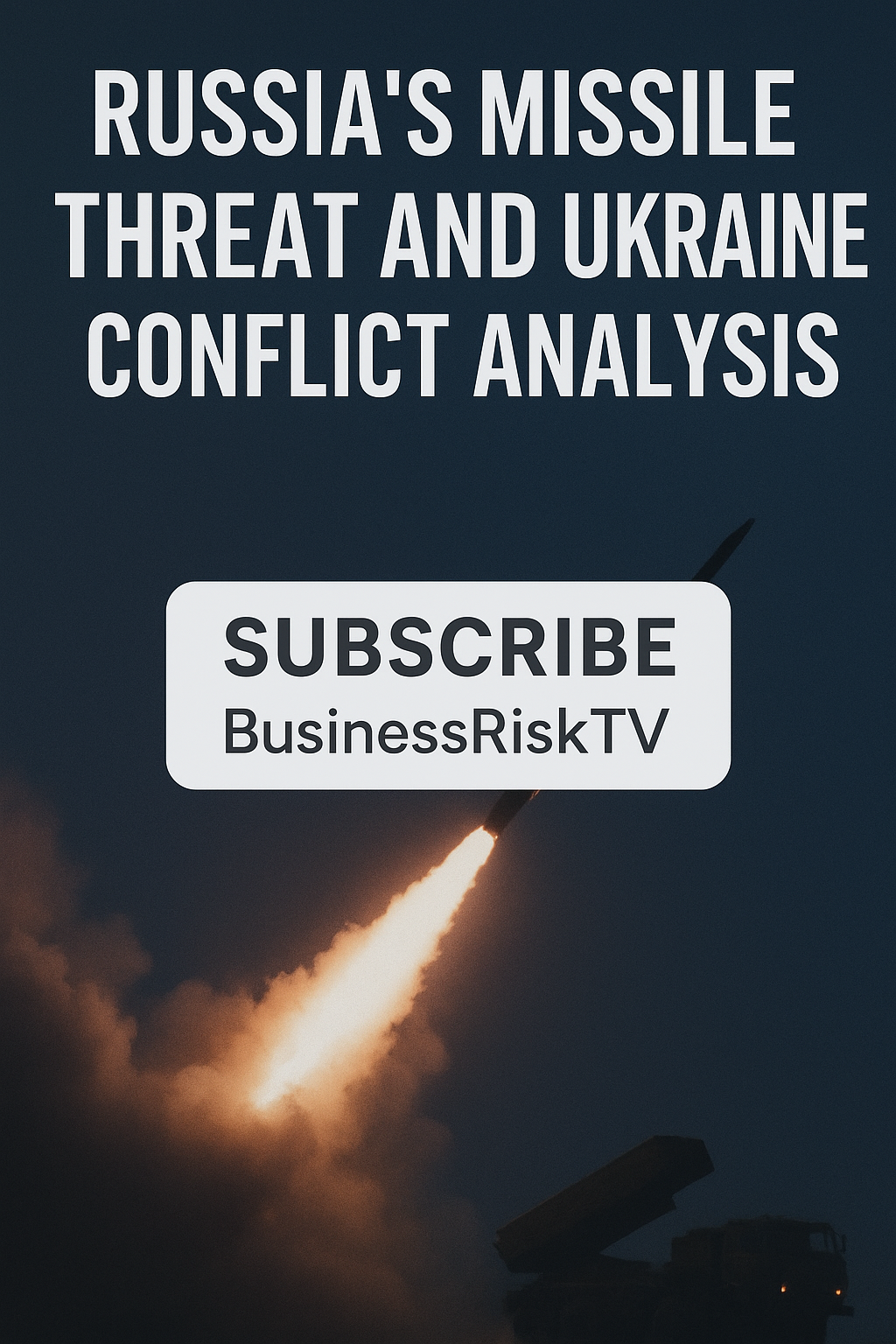
This risk analysis decodes the Ukraine conflict through the lens of the Monroe Doctrine, arguing Russia views NATO expansion and “defensive” missiles in Eastern Europe as an existential threat akin to the Cuban Missile Crisis. We assess the tangible pathways for escalation to a wider war and the critical need for strategic de-escalation to manage this global business risk.

Business Risk Management Analysis: The Ukrainian Conflict and Escalation to a Wider War

This analysis assesses the high-level strategic risks in the Ukraine conflict, framing them through historical parallels, core security doctrines, and the potential for catastrophic escalation. The central thesis is that the deployment of advanced Western missile systems near Russia’s borders is perceived by Moscow as a direct, existential threat akin to the 1962 Cuban Missile Crisis, creating a volatile environment where miscalculation could lead to a third world war.

1. The Core Threat: “Decapitating” Missiles and the Russian Perception

From a risk management perspective, the primary threat driver is not the conventional war in Ukraine itself, but the strategic weapons systems being deployed around Russia’s periphery.

  • The Nature of the Threat: Systems like the Aegis Ashore sites in Poland and Romania, while officially labelled as defencive “missile shields,” are perceived by Russia as possessing offensive potential. The launchers used for SM-3 interceptor missiles are functionally similar to those used for land-attack cruise missiles. This ambiguity allows Russia to frame them as a “decapitating” strike threat—a first-strike weapon capable of neutralising Russia’s nuclear command-and-control and retaliatory capabilities, thereby crippling its ultimate deterrent.
  • The Historical Parallel: The Cuban Missile Crisis: This is not a superficial comparison in Moscow’s view. In 1962, the United States considered the deployment of Soviet nuclear missiles in Cuba—a small, neighbouring country—an intolerable, existential threat and was prepared to go to war to have them removed. Russia applies the same logic in reverse. It views NATO’s eastward expansion and the placement of advanced missile systems in its former sphere of influence as a modern-day equivalent of the Cuban Missile Crisis. The potential future deployment of such systems to a country like Venezuela would only reinforce this narrative and mirror the 1962 scenario exactly.

2. The Doctrinal Framework: The “Monroe Principle” Applied to Ukraine

The driving geopolitical principle behind Russia’s actions is a mirror of the American Monroe Doctrine.

  • The Original Doctrine: The U.S. Monroe Doctrine (1823) declared the Western Hemisphere its sphere of influence, deeming it off-limits to further European colonisation or political interference.
  • The Russian Interpretation: Russia has effectively declared a similar doctrine for its “near abroad,” particularly Ukraine. From the Kremlin’s perspective, a neutral or buffer Ukraine is a fundamental security requirement. A Ukraine integrated into NATO—a military alliance historically opposed to Russia—is as unacceptable to Moscow as a Mexico or Canada in a military alliance with China or Russia would be to Washington. This principle explains the intensity of Russia’s response; it is fighting what it sees as a defensive war to prevent a hostile power from consolidating on its doorstep.

3. The Ultimate Risk: Escalation to a Third World War

The convergence of the missile threat and the Monroe-style doctrine creates a high-probability, high-impact risk scenario for a wider conflict. The pathways to escalation are multiple:

  • Direct Engagement: An accidental or intentional strike on NATO territory (e.g., in Poland or Romania) by a Russian missile, or vice-versa, could trigger NATO’s Article 5 collective defense clause, leading directly to a Russia-NATO war.
  • Hybrid Warfare Blowback: Acts of sabotage attributed to Russia (e.g., against undersea infrastructure) or provocative actions like the repeated violations of NATO airspace could spiral out of control. A single miscalculation in this “gray zone” could be misread as an act of war, demanding a conventional military response.
  • Inadvertent Escalation: The fog of war creates immense risk. An errant missile, the misidentification of an aircraft, or a miscommunication during a high-alert period could trigger a cycle of retaliation that neither side initially intended.

4. Analysis of the “Forever War” Driver Claim

The assertion that intelligence services like MI6 (UK), BND (Germany), and DGSE (France) are deliberately driving a “forever war” is a significant claim. A risk analysis must distinguish between stated policy and verifiable evidence.

  • The Official Policy Stance: The publicly stated goal of the UK, France, and Germany is to support Ukraine’s sovereignty and prevent a Russian victory that would undermine European security and the international order. Their actions—providing weapons, intelligence, and training—are consistent with this stated goal of enabling Ukraine to defend itself.
  • The “Forever War” Narrative: The claim that these agencies are actively sabotaging peace to prolong the conflict is primarily propagated by the Russian government and commentators who align with that viewpoint. While individual politicians or analysts in the West may argue that prolonged conflict serves to weaken Russia strategically, there is a lack of publicly available, verified intelligence or official documentation proving a coordinated policy by MI6, BND, and the DGSE to deliberately instigate a “forever war.” From a risk management standpoint, this narrative remains an unverified, high-severity contingent liability rather than a confirmed fact upon which to base a strategic assessment. The driving objective of Western powers appears to be achieving a favorable outcome for Ukraine, not perpetuating a war for its own sake, though the effect of their support is indeed a prolonged conflict.

Conclusion and Risk Mitigation

The highest-priority risk is the potential for direct conflict between Russia and NATO. To defuse the situation, risk mitigation must address the core perceived threats:

  1. Strategic Arms Control: A renewed and urgent dialogue on strategic stability and missile defense is critical. Clarifying the capabilities and intent of systems in Eastern Europe, potentially with verification measures, could reduce the “decapitation strike” fear that drives Russian escalation.
  2. Addressing the Sphere of Influence: While morally problematic, any durable settlement will likely need to implicitly acknowledge Russia’s Monroe-style security concerns regarding Ukraine’s alliance status, finding a formula for Ukrainian security that does not involve NATO membership.
  3. De-escalation Channels: Maintaining and strengthening direct military-to-military communication lines between Russia and NATO is essential to manage incidents and prevent inadvertent escalation.

Failure to manage these core risks creates a business environment for the world where the threat of a great power conflict remains unacceptably high.

Here are 6 actionable risk management steps business leaders should take today to protect their operations from the geopolitical risks outlined in the analysis.

Global Business Risk Network: Connect, Learn, and Lead in Risk Management

6 Risk Management Steps for Business Leaders

1. Formalise Geopolitical Risk Monitoring

  • Action: Move beyond ad-hoc news reading. Establish a formal process, assigning a team or using a dedicated service to monitor geopolitical intelligence with a specific focus on:
    • NATO-Russia rhetoric and military posturing.
    • Incidents in border regions of Poland, Romania, and the Baltic states.
    • Developments in potential flashpoints like Kaliningrad or the Black Sea.
  • Rationale: Early warning of escalating tensions provides crucial lead time to activate contingency plans before markets or supply chains are paralysed.

2. Stress-Test Supply Chains for “Choke Point” Failure

  • Action: Identify single points of failure, especially those dependent on routes or regions exposed to the conflict zone (e.g., air corridors over Eastern Europe, key ports on the Black Sea, rail lines through Poland). Model scenarios involving the closure of these channels and pre-qualify alternative suppliers and logistics routes.
  • Rationale: A direct NATO-Russia incident would immediately disrupt transport and logistics across Eastern Europe, severing critical arteries for business.

3. Develop a Tiered “Escalation” Response Plan

  • Action: Create a dynamic response plan with clear triggers for different levels of escalation, not just a binary “crisis/no-crisis” switch. For example:
    • Level 1 (Heightened Tension): Review and communicate travel security protocols.
    • Level 2 (Direct Incident): Activate remote work mandates for staff in affected regions, freeze new investments.
    • Level 3 (Open Conflict): Execute evacuation plans, implement full business continuity protocols.
  • Rationale: A phased approach prevents panic and ensures a measured, appropriate response as a situation deteriorates.

4. Fortify Cybersecurity Posture Immediately

  • Action: Assume that a wider geopolitical conflict will involve significant cyber warfare. Mandate multi-factor authentication across all systems, ensure backups are air-gapped and immutable, and conduct fresh table-top exercises for scenarios like ransomware attacks on critical infrastructure or wiper malware targeting corporate networks.
  • Rationale: Businesses are considered legitimate targets in state-level cyber conflicts. Proactive defence is no longer optional.

5. Model Financial Shock Scenarios

  • Action: Work with finance to model the impact of a sudden energy price spike, a freeze in capital markets, rapid currency devaluation, or the collapse of trade with a broader set of countries. Stress-test liquidity and credit lines under these conditions.
  • Rationale: The financial contagion from a great-power conflict would be immediate and severe, potentially locking companies out of vital capital.

6. Conduct a Critical Talent and Operations Review

  • Action: Audit your workforce and key operations to identify critical dependencies on personnel, facilities, or partners located in NATO member states bordering Russia and Ukraine. Develop plans for remote work, relocation, or knowledge transfer to mitigate the risk of these assets becoming inaccessible or unsafe.
  • Rationale: Protecting human capital is the first priority. Furthermore, the loss of a key team or facility in a frontline state could cripple business units.

Get help to protect and grow your business faster with less uncertainty impacting on your business objectives

Find out more about growing your business faster with less uncertainty via better risk management information 

Subscribe for free business risk management ideas risk reviews and cost reduction ideas

Connect with us for free business risk management tips

Contact Us To Subscribe BusinessRiskTV – Reach Global Decision Makers

Read more business risk management articles and view videos

Connect with us for free new business risk management articles and videos alerts

The West’s Ukraine Strategy: A Catastrophic Policy Failure & The Business Cost

Ukraine War Risk Analysis: The Monroe Doctrine in Europe and the Path to WW3

Rare Earth Supply Crisis: How US-China Trade War Threatens Global Tech Supply Chains

China’s near-monopoly on rare earth processing is the new battleground in the US-China trade war, threatening global supply chains for EVs, wind turbines, and high-tech defense. Learn why this chokepoint is critical and the 6 essential business risk management steps to protect your enterprise from crippling mineral shortages and price volatility.

Rare Earth Minerals: The Critical Chokepoint Fuelling the US-China Trade War

The global supply chain for Rare Earth Elements (REEs) is a major point of economic and geopolitical vulnerability, now intensifying the trade war between the US and China. These 17 elements are not actually rare in the Earth’s crust, but finding them in economically viable, concentrated deposits is unusual, and the processing expertise is highly consolidated. The world’s dependency on a single source for these materials—vital for high-tech industries and national security—has made them a powerful geopolitical leverage tool.

China’s Dominance: The Supply Chain Chokepoint

Rare earth minerals are indispensable in modern technology. They form the basis of powerful permanent magnets used in Electric Vehicles (EVs), wind turbines, smartphones, advanced military equipment (like missiles and fighter jets), and numerous other high-tech consumer electronics.

Predominant Sources and Control

The problem isn’t the physical mining of the minerals, but the complex and often environmentally taxing separation and processing into usable elements and magnets.

Stage of Supply Chain China’s Estimated Global Control

China Mining ∼70%
China Separation & Processing ∼90%
China Magnet Manufacturing ∼93%

China has held indisputable dominance over the rare earth supply chain since the 1990s, making it the primary global source of refined REEs. The US, which was once the leading global producer, now imports a significant portion of its rare earth oxides, much of it directly or indirectly sourced from China. This dominance provides Beijing with a potent economic leverage tool.

Rare Earths as a Weapon in the Trade War

The US-China trade war, initially focused on tariffs and intellectual property, has now fundamentally shifted to control over critical raw materials.

Geopolitical Leverage

China has weaponised its dominance by implementing export controls on rare earths and related processing technology. These actions directly target the US industrial and defense base, which relies on these materials.

Export Restrictions: China has expanded restrictions to include magnets containing even trace amounts of Chinese-sourced REEs, or products manufactured using Chinese refining technology. These new controls effectively grant China veto power over key global supply chains, including advanced semiconductors and EVs.

National Security Focus: Beijing justifies the moves by citing the need to “protect its national security and interests” and prevent the “misuse of rare earth materials in military and other sensitive sectors.” These controls force foreign companies, including those in India’s auto industry, to provide end-use certifications to ensure the materials aren’t re-exported to the US for military applications.

US Response: The US has retaliated with threats of steep tariffs on Chinese goods and is aggressively pursuing domestic production and ‘friend-shoring’ initiatives with allies like Australia, Canada, and Vietnam to diversify its supply chain away from China. This intense back-and-forth confirms that rare earths are not just a trade issue but a core strategic and national security concern.

6 Business Risk Management Tips for Supply Chain Resilience

Businesses reliant on products that use rare earths (like EV manufacturers, electronics firms, and defense contractors) must take proactive steps to mitigate this escalating supply chain crisis.

  1. Supply Diversification: Actively seek and activate alternative sources of REE ores, refining capacity, and finished components from politically stable regions (e.g., Australia, US domestic production, or other allied nations).
  2. Multi-Tier Risk Assessment: Go beyond direct suppliers (Tier 1) to map and assess risks across all tiers of your supply chain (Tiers 2 and 3) to identify where reliance on China’s REE processing truly lies.
  3. Strategic Stockpiling: Maintain a buffer stock of critical rare earth materials or high-value components to hedge against short-term disruptions, price spikes, and abrupt export license changes.
  4. Invest in Recycling/Circular Economy: Prioritise R&D and investment in RE-free substitutes and urban mining (recycling of rare earths from end-of-life products like batteries and magnets) to create a sustainable, non-China-dependent source.
  5. Conduct Scenario Planning: Run ‘what-if’ exercises based on geopolitical events (e.g., complete Chinese export ban, 100% US tariffs) to understand potential financial and operational implications and prepare rapid response plans.
  6. Continuous Monitoring & Traceability: Implement a robust supply chain risk management system to continuously monitor geopolitical, regulatory, and financial risks for all key suppliers and raw material sources.

Get help to protect and grow your business faster with BusinessRiskTV

Find out more about growing your business with BusinessRiskTV 

Subscribe for free business risk management news reviews and cost reduction ideas

Connect with us for free business risk management tips

Read more business risk management articles and view videos for free

Connect with us for free alerts to new business risk management articles and views

Rare Earth Supply Crisis: How US-China Trade War Threatens Global Tech Supply Chains

Trade Tariffs 2025

How can supply chain risk owners mitigate impact of 2025 import tariffs

Navigating the Tariff Maze: A Supply Chain Risk Owner’s Roadmap for 2025

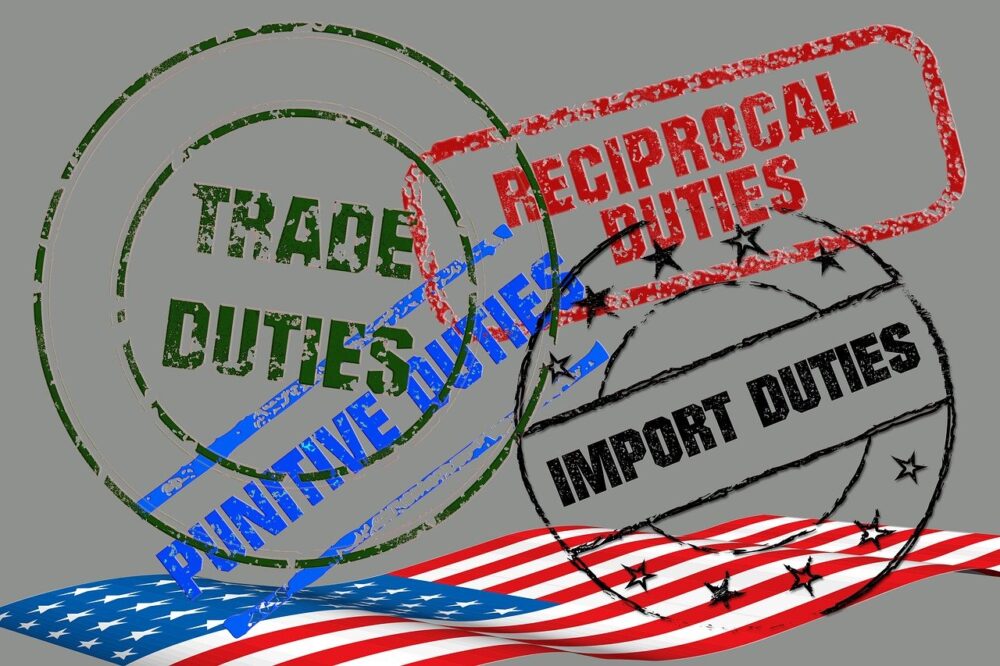
The global trade landscape just shifted again! April 2025 saw the implementation of new import tariffs across several key sectors, and if you’re a supply chain risk owner, you’re likely feeling the tremors. These aren’t just minor cost adjustments; they represent a fundamental reshaping of international commerce, demanding a proactive and strategic response. The stakes are high. A recent report by the International Trade Consortium estimates that these new tariffs could increase the cost of goods for some businesses by as much as 15% within the next year. Ignoring this reality is no longer an option; understanding and mitigating the risks while identifying potential opportunities is now paramount for supply chain resilience and growth.

Enterprise Risk Management Magazine articles
Tariffs Business Risk

This article dives deep into the implications of these 2025 import tariffs for supply chain risk management. We’ll explore the multifaceted ways these tariffs exert pressure on your operations, and more importantly, we’ll equip you with nine concrete strategies to not only weather the storm but also to potentially capitalise on the changing tides. So, buckle up, because navigating this new tariff terrain requires agility, foresight, and a willingness to adapt. Let’s get started!

What Do New Tariffs Mean for Supply Chain Risk Management in 2025?

The introduction of new import tariffs in 2025 throws a significant wrench into the well-oiled machine of global supply chains. For supply chain risk management, this translates into a heightened level of complexity and a broader spectrum of potential disruptions. It’s no longer just about managing supplier relationships or logistical hurdles; tariffs introduce a layer of financial and strategic uncertainty that permeates every aspect of the supply chain.

Think about it! Suddenly, the cost assumptions you’ve built your models on are no longer valid. The carefully negotiated prices with overseas suppliers might now be subject to significant surcharges, impacting your profit margins and potentially your competitive pricing. This immediate financial impact is just the tip of the iceberg.

These tariffs can trigger a cascade of risks across the entire supply chain ecosystem. They can lead to:

  • Increased Costs: This is the most direct and obvious impact. Tariffs act as a tax on imported goods, directly increasing the cost of raw materials, components, and finished products. This can squeeze margins, force price increases for consumers, and potentially reduce demand.
  • Supply Chain Disruption: As tariffs make certain import sources less attractive, businesses may need to rapidly shift their sourcing strategies. This can lead to disruptions as new suppliers are onboarded, quality control processes are established, and logistical networks are reconfigured.
  • Demand Fluctuations: Increased prices due to tariffs can lead to a decrease in demand for certain goods. Conversely, tariffs on competing products might create unexpected surges in demand for domestically produced alternatives or imports from countries not subject to the tariffs.
  • Geopolitical Instability: The imposition of tariffs can be a symptom or a cause of broader geopolitical tensions. This can lead to further trade disputes, retaliatory tariffs, and increased uncertainty in international trade relations, making long-term planning incredibly challenging.
  • Compliance Challenges: Navigating the complexities of new tariff regulations, including rules of origin, documentation requirements, and potential exemptions, can be a significant administrative burden and increase the risk of non-compliance penalties.
  • Increased Competition: Domestic industries protected by tariffs might become more competitive, putting pressure on businesses that rely on imported goods. Similarly, businesses in countries not subject to the tariffs might gain a competitive advantage in markets affected by them.

Essentially, new import tariffs amplify existing supply chain risks and introduce entirely new ones. Supply chain risk owners in 2025 must adopt a more dynamic and holistic approach to risk management, one that explicitly considers the impact of trade policy on every decision.

12 Reasons Import Tariffs Impact on Supply Chain Risk Management

The impact of import tariffs on supply chain risk management is far-reaching and multifaceted. Here are 12 key reasons why these tariffs demand the attention of every supply chain risk owner:

  1. Direct Cost Inflation: This is the most immediate and tangible impact. Tariffs directly increase the price of imported goods, leading to higher costs for manufacturers, distributors, and ultimately consumers. This erodes profit margins and can impact competitiveness. For example, a 10% tariff on imported steel directly increases the cost for automotive manufacturers relying on that material.

  2. Increased Price Volatility: Tariffs introduce uncertainty into pricing. Changes in trade policy or the threat of new tariffs can cause significant fluctuations in the cost of imported goods, making budgeting and forecasting more challenging. Imagine trying to set your product prices when the cost of your key components could change drastically overnight due to tariff adjustments.

  3. Sourcing Diversification Challenges: When tariffs make traditional import sources less viable, companies are forced to explore alternative suppliers, often in new geographies. This introduces risks related to supplier reliability, quality control, ethical labour practices, and differing regulatory environments. Finding a new supplier of specialised electronics components in a different country, for instance, requires significant due diligence.

  4. Logistical Network Disruption: Shifting sourcing patterns necessitates adjustments to logistics networks. New transportation routes, warehousing locations, and customs procedures need to be established, potentially leading to delays, increased transportation costs, and complexities in managing a more dispersed supply chain. Think about the logistical challenges of suddenly needing to ship goods from Southeast Asia instead of China.

  5. Working Capital Strain: Higher input costs due to tariffs can significantly increase the working capital requirements of a business. Companies need more funds to finance inventory and accounts payable. This can put a strain on cash flow, especially for smaller and medium-sized enterprises. Holding more inventory at higher tariffed prices ties up significant capital. 

  6. Demand Forecasting Uncertainty: Tariffs can impact consumer demand in unpredictable ways. Higher prices might lead to decreased demand, while tariffs on competing products could create unexpected surges. Accurate demand forecasting becomes significantly more difficult in this volatile environment. Predicting consumer reaction to price increases on everyday goods due to tariffs is a complex task.

  7. Increased Risk of Counterfeit Goods: As tariffs drive up the cost of legitimate imports, the incentive for counterfeit goods to enter the market increases. This poses risks to brand reputation, product safety, and ultimately consumer trust. The risk of counterfeit luxury goods flooding the market increases when tariffs make genuine items more expensive.

  8. Compliance and Regulatory Complexity: Navigating the intricacies of tariff regulations, including rules of origin, classification codes, and documentation requirements, can be a significant burden. Errors in compliance can lead to penalties, delays, and even seizure of goods. Understanding the specific HS codes and origin rules for each imported component becomes critical.

  9. Geopolitical and Trade Policy Uncertainty: Tariffs are often a tool in broader geopolitical strategies. This means that trade policies can change rapidly and unexpectedly, creating a high degree of uncertainty for businesses engaged in international trade. A sudden escalation in trade tensions between two major economies can have immediate and significant consequences for global supply chains.

  10. Erosion of Competitive Advantage: Businesses that rely on cost-effective imports may see their competitive advantage erode as tariffs increase their input costs. This can make it harder to compete with domestic producers or companies sourcing from regions not subject to the tariffs. A company that built its business model on low-cost imported textiles might suddenly find itself at a disadvantage compared to domestic manufacturers.

  11. Increased Risk of Supply Chain Bottlenecks: As companies rush to find alternative sourcing or adjust their supply chains, bottlenecks can emerge in transportation, warehousing, and customs processing. These bottlenecks can lead to delays and further increase costs. Ports and customs facilities might become overwhelmed as import patterns shift.

  12. Impact on Innovation and Product Development: Higher costs for imported components or materials can stifle innovation and product development. Companies may be forced to use less expensive, lower-quality alternatives or delay the introduction of new products. The ability to incorporate cutting-edge but tariffed technologies into new products might be hampered.

9 Ways Supply Chain Managers Can Avoid/Reduce the Negative Impact of Tariffs and Seize New Business Growth Opportunities from Tariffs

Navigating the complexities of new import tariffs requires a proactive and strategic approach. Here are nine ways supply chain managers can mitigate the negative impacts and potentially uncover new growth opportunities:

  1. Thoroughly Analyse Your Current Supply Chain Footprint: The first step is to gain a deep understanding of how the new tariffs will specifically impact your existing supply chain. This involves identifying all imported goods subject to tariffs, quantifying the potential cost increases, and assessing the reliance on specific suppliers and geographies. Conduct a detailed SKU-level analysis to understand the tariff implications for each product. Actionable Step: Create a matrix mapping your key imported materials and components against the new tariff rates and their origin.

  2. Explore Sourcing Diversification and Nearshoring/Reshoring: Reducing reliance on tariffed imports is crucial. Actively investigate alternative suppliers in countries not subject to the tariffs. Consider the feasibility of nearshoring (moving production closer to home) or reshoring (bringing production back to your domestic market). Evaluate the total landed cost, including transportation, lead times, and quality control, when considering new sourcing options. Actionable Step: Initiate conversations with potential alternative suppliers in tariff-exempt regions and conduct feasibility studies for nearshoring or reshoring key production processes.

  3. Renegotiate Contracts with Existing Suppliers: Engage in open and honest discussions with your current suppliers. Explore options for cost sharing, value engineering, or alternative pricing structures that might help mitigate the impact of tariffs. Long-term partnerships might involve collaborative efforts to find cost efficiencies throughout the supply chain. Actionable Step: Schedule meetings with key suppliers to discuss the tariff implications and explore potential contract adjustments.

  4. Optimise Inventory Management Strategies: In a tariff-heavy environment, efficient inventory management becomes even more critical. Carefully balance the need to avoid stockouts with the increased cost of holding inventory due to higher import prices. Explore strategies like postponement, where final product configuration is delayed until demand is clearer, or implementing more agile inventory models. Actionable Step: Review your current inventory levels and forecasting accuracy, and explore opportunities to implement more responsive inventory management techniques.

  5. Invest in Supply Chain Technology and Visibility: Enhanced visibility across your supply chain is essential for identifying potential disruptions and reacting quickly to changes. Invest in technologies like advanced analytics, real-time tracking, and supply chain mapping to gain a comprehensive view of your international flows and potential tariff impacts. Actionable Step: Evaluate and implement supply chain visibility platforms that provide real-time data on shipments and potential tariff-related delays.

  6. Seek Tariff Relief and Duty Drawback Opportunities: Explore potential avenues for tariff relief, such as applying for exemptions or utilising duty drawback programmes (refunds on duties paid on imported goods that are subsequently exported). Understanding the specific tariff regulations and available relief mechanisms can significantly reduce costs. Actionable Step: Consult with customs brokers and trade compliance experts to identify potential tariff relief or duty drawback opportunities relevant to your imports.

  7. Innovate Product Design and Material Usage: Consider redesigning products to reduce reliance on tariffed materials or components. Explore the use of alternative materials that are either domestically sourced or imported from tariff-exempt regions. This can lead to both cost savings and enhanced supply chain resilience. Actionable Step: Engage your R&D and engineering teams to explore product redesign options that minimise the use of tariffed inputs.

  8. Explore New Market Opportunities and Export Strategies: While tariffs pose challenges for imports, they can also create new opportunities in domestic markets or in countries where your products might now be more competitive due to tariffs on goods from other nations. Explore new export markets that might be less affected by the tariffs impacting your imports. Actionable Step: Conduct market research to identify potential new domestic or international market opportunities arising from the changed tariff landscape.

  9. Foster Collaboration and Communication Across the Organisation: Effectively navigating the tariff landscape requires strong collaboration between procurement, logistics, finance, sales, and legal teams. Open communication and shared understanding of the risks and opportunities are essential for developing and implementing effective mitigation strategies. Actionable Step: Establish a cross-functional task force to address the challenges and opportunities presented by the new import tariffs, ensuring alignment across all relevant departments.

By proactively implementing these strategies, supply chain managers can not only mitigate the negative impacts of the 2025 import tariffs but also position their organisations to seize new business growth opportunities in this evolving global trade environment. The key is to be agile, informed, and ready to adapt to the changing currents of international commerce.

Join Supply Chain Risks group

Supply Chain Risks
Supply Chain Risks

Get help to protect and grow your business faster with less uncertainty with BusinessRiskTV

Find out more about our Business Risk Management Club

Subscribe for free business risk management tips risk reviews and cost reduction ideas

Connect with us for free

Read more business risk management articles and view videos for free

Connect with us for free

Read more risk management articles and view videos:

  1. How can supply chain risk owners mitigate impact of 2025 import tariffs

  2. Best strategies for supply chain managers to avoid negative effects of new tariffs 2025

  3. What are the risks of 2025 import tariffs on global supply chain management and how to overcome them

  4. Ways to reduce negative impact of 2025 import tariffs and find new growth opportunities in supply chain

  5. Actionable strategies for supply chain risk owners to navigate and capitalise on import tariffs in April 2025

Supply Chain Risk Management
Supply Chain Risk Management Live and OnDemand

Relevant hashtags:

  1. #SupplyChainRisk

  2. #ImportTariffs2025

  3. #GlobalTrade

  4. #SupplyChainManagement

  5. #TradeCompliance

Trade Tariffs 2025

How could Suez and Panama Canal Issues Impact Your Business?

Why supply chain management problems are important to you today and in future

Navigating Troubled Waters: How Water Shortages and the Red Sea War are Choking Global Trade in 2024

The year 2024 opened not with a bang, but with a whimper in the global trade realm. While visions of economic recovery danced in our heads, harsh realities lurked beneath the surface, threatening to capsize the fragile vessel of global supply chains. Two major chokepoints emerged, not as dramatic temporary blockages like the Ever Given (2021), but as insidious, long-term threats: water shortages in the Panama Canal and the escalating war in the Red Sea impacting the Suez Canal.

Panama’s Parched Path:

Panama, the vital shortcut connecting the Atlantic and Pacific, faces a foe not of steel and wind, but of dwindling rain. El Niño’s capricious hand has brought below-average rainfall to the region, pushing water levels in the canal to precariously low levels. As of October 2024, Gatun Lake, the canal’s primary water source, sits at a mere 80% of its capacity, forcing authorities to implement draft restrictions. These restrictions limit the size and cargo of ships that can navigate the canal, creating bottlenecks and delays.

30 January 2024- Diego Pantjoa-Navajas, vice president of Amazon Web Services Supply Chain, told FOX Business that the two situations in the Suez Canal and the Panama Canal are “dramatically impacting supply chains,” concurrently, hindering trade between Asia and Europe and between North America and Asia.

The consequences are far-reaching. Coffee from South America, electronics from Asia, and even furniture from Europe all face longer journeys and higher shipping costs. For consumers, this translates to empty shelves and rising prices. The International Monetary Fund estimates that the water shortage could shave off 0.5% from global GDP growth in 2024, a sobering reminder of Panama’s outsized role in the global trade tapestry.

Red Sea’s Roiling Conflict:

Meanwhile, in the Red Sea, the drums of war are beating a menacing rhythm. The war in Gaza and Israel has resulted in tragic loss of life. In addition, Houthis Yemen have attacked shipping in the Red Sea attempting to access Suez Canal in support of the Palestinians in Gaza. This has led to USA and UK to attack Houthis positions in Yemen claiming they are protecting key shipping route.

Automakers Tesla and Geely-owned Volvo Car said 12 January they were suspending some production in Europe due to a shortage of components, the first clear sign that attacks on shipping in the Red Sea are hitting manufacturers in the region.

The ongoing conflict has spilled over into this crucial shipping lane, raising insurance costs and deterring many vessels from venturing through. The alternative route around Africa adds days and cost to shipping goods which has to be paid with reduced profits of businesses or increased costs to consumers.

The impact is undeniable. Shipping giants like Maersk and CMA CGM have rerouted their vessels around Africa, adding weeks to delivery times and further straining already stretched supply chains. The cost of transporting goods through the Suez Canal has skyrocketed, pushing up the price of everything from oil and gas to clothing and consumer electronics.

A Perfect Storm of Uncertainty:

These two seemingly disparate issues—water scarcity in Panama and war in the Red Sea—have converged to create a perfect storm of uncertainty for global trade. Businesses are scrambling to adapt, exploring alternative routes, diversifying their suppliers, and implementing risk mitigation strategies. Consumers, meanwhile, are bracing for a prolonged period of higher prices and product shortages.

The long-term implications remain murky. Will Panama’s water woes persist, or will El Niño relent and bring life-giving rain? Will the Red Sea conflict escalate further, or will diplomacy prevail and restore stability to the region? Only time will tell.

One thing is certain, however: the events of 2024 have exposed the fragility of our interconnected world. It is a stark reminder that global trade is a delicate ecosystem, and even seemingly minor disruptions can have far-reaching consequences.

The Road Ahead:

The challenges we face are complex, but not insurmountable. Governments, businesses, and individuals must work together to build a more resilient and sustainable global trade system. This means:

  • Investing in alternative infrastructure: Diversifying shipping routes, developing inland waterways, and exploring alternative modes of transportation are crucial to lessen dependence on chokepoints like the Suez and Panama Canals.
  • Embracing innovation: Technological solutions like blockchain and artificial intelligence can help optimise supply chains, improve transparency, and mitigate risks.
  • Promoting international cooperation: Diplomacy and dialogue are essential to resolving conflicts and ensuring the free flow of goods across borders.
  • Building consumer resilience: Encouraging responsible consumption habits and supporting local businesses can help communities weather disruptions and build self-reliance.

The path ahead is fraught with challenges, but by working together, we can navigate these troubled waters and build a more resilient and prosperous future for all.

A Future in the Balance:

The fate of global trade in 2024, and beyond, hangs in the balance. Whether the currents of Panama’s water levels rise or fall, and whether the flames of war in the Red Sea flicker out or grow into an inferno, one thing is certain: the world is watching. This is not just an economic story; it’s a human story. Livelihoods depend on the smooth flow of goods, families rely on affordable essentials, and communities thrive on interconnectedness.

We stand at a crossroads, where the choices we make will determine the shape of our future. Do we build walls of protectionism, or bridges of cooperation? Do we prioritise short-term gain over long-term sustainability? Do we succumb to fear and uncertainty, or do we rise to the challenge with innovation and ingenuity?

The answer lies not just in boardrooms and government chambers, but in the hands of each individual. From the choices we make as consumers to the voices we raise as citizens, we all have a role to play in shaping the future of global trade. Let us choose wisely, let us act with courage, and let us navigate these troubled waters together, towards a future where prosperity flows freely and the tide lifts all boats.

Get help to protect and grow your business

Find Out More 

Subscribe for free business risk alerts and risk reviews

Contact Us 

Read more business risk management articles

Contact Us

Shipping Costs Spike In December And Could Get A lot Worse If Fighting Escalates 2024

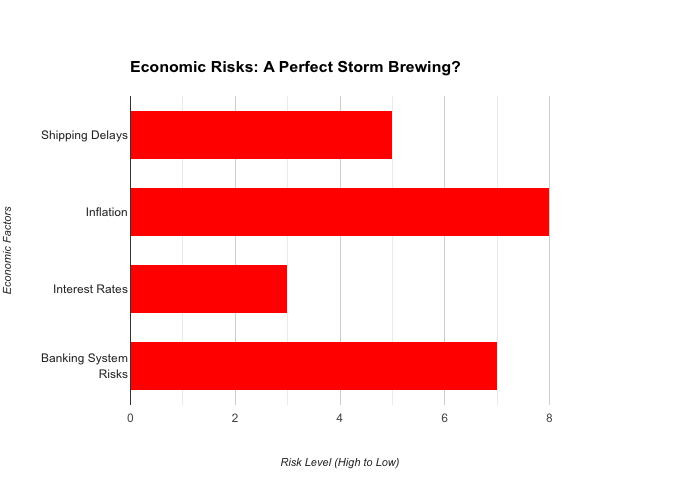
Inflation and interest rates are not guaranteed to fall in 2024!

The Shanghai Containerised Freight Index: A Stormy Sea Ahead After Red Sea Attacks

The Shanghai Containerised Freight Index (SCFI), a key gauge of global shipping costs, has once again become a stormy sea, this time roiled by the recent attacks in the Red Sea in December 2023. While the index had been on a downward trend throughout 2023, offering hope for moderating inflation and easing supply chain pressures, the Red Sea disruptions have sent it surging back up, casting a shadow of uncertainty over the global economic outlook in 2024.

Prior to the Red Sea attacks, the SCFI had been on a steady decline since its January 2022 peak, dropping from over 5100 points to around 1250 points by December. This decline reflected some easing of congestion and pressure on shipping costs, raising hopes for a more stable economic climate.

However, the attacks on oil tankers and a commercial vessel near the Yemeni port of Hodeidah in December sent shockwaves through the shipping industry. The heightened security concerns and potential disruption to vital trade routes through the Red Sea have caused a sharp spike in the SCFI, pushing it back up to around 1800 points as of December 29, 2023.

Implications for Inflation and Interest Rates:

This sudden surge in the SCFI has significant implications for inflation and interest rates in 2024. As shipping costs rise, the price of imported goods increases, potentially fueling inflationary pressures. This could lead central banks to reconsider their monetary policy stances and potentially resume interest rate hikes to curb inflation.

The extent to which the Red Sea attacks impact inflation and interest rates will depend on several factors, including the duration of the disruptions, the effectiveness of security measures implemented, and the overall resilience of global supply chains. However, the potential for renewed inflationary pressures and tighter monetary policy is a cause for concern for businesses and consumers alike.

Risk Management Strategies for Business Leaders:

In this uncertain environment, business leaders must be prepared to navigate the choppy waters of the SCFI and mitigate the potential risks associated with rising shipping costs. Here are some key strategies to consider:

  • Diversify Supply Chains and Shipping Routes: Reduce reliance on Red Sea routes and explore alternative shipping routes and sourcing options to minimise exposure to disruptions.
  • Invest in Supply Chain Visibility: Enhance your ability to track shipments and anticipate potential delays to adjust inventory levels and production schedules.
  • Strengthen Supplier Relationships: Foster closer partnerships with key suppliers to ensure reliable supply and negotiate flexible pricing terms that account for fluctuating shipping costs.
  • Optimise Inventory Management: Implement data-driven inventory management practices to minimise carrying costs and optimise stock levels based on projected demand and SCFI trends.
  • Consider Flexible Pricing Models: Explore pricing models that can adjust to fluctuations in shipping costs and protect your profit margins.

By adopting these strategies, businesses can build resilience in their supply chains and navigate the challenges of a volatile SCFI in 2024.

Conclusion:

The recent spike in the SCFI serves as a stark reminder of the fragility of global supply chains and the potential for unforeseen events to disrupt the delicate balance of global trade. While the long-term impact of the Red Sea attacks remains uncertain, businesses must be prepared for a more challenging economic landscape in 2024. By remaining agile, diversified, and informed, businesses can weather the storm and emerge stronger in the face of an unpredictable shipping market.

Get help to protect and grow your business

Find Out More

Subscribe to free business risk management alerts and risk reviews

Contact Us

Read  more business risk management articles

Contact  Us

Supply Chain Risk Management 2024

How will you manage your supply chain risks in 2024?

Top 10 Supply Chain Management Trends on the Horizon in 2024

As the world continues to grapple with disruptions caused by the COVID-19 pandemic, geopolitical tensions, and climate change, supply chain management is undergoing a period of rapid transformation. Organisations are embracing digitalisation, automation, and emerging technologies to enhance their supply chains and build resilience in the face of uncertainty.

In this article, we will explore the top 10 supply chain management trends that are expected to shape the industry in 2024 and beyond. These trends encompass technological advancements, strategic approaches, and evolving consumer demands that will redefine the way supply chains operate.

1. Digital Supply Chain As the Backbone of Resilience

The digital supply chain has emerged as the overarching trend driving supply chain transformation. It encompasses the integration of digital technologies, such as cloud computing, artificial intelligence (AI), and big data analytics, to streamline operations, enhance visibility, and optimise decision-making.

Organisations are moving away from traditional paper-based processes and siloed systems towards a connected and data-driven supply chain ecosystem. This digital transformation is enabling businesses to gain real-time insights into their operations, predict disruptions, and respond proactively to changing market conditions.

2. Big Data and Analytics Driving Insights-Driven Decisions

Big data and analytics are playing a crucial role in extracting valuable insights from the vast amounts of data generated across the supply chain. Organisations are leveraging data analytics to identify patterns, optimise inventory management, improve demand forecasting, and enhance customer service.

Advanced analytics techniques, such as machine learning and predictive modeling, are enabling businesses to anticipate disruptions, simulate scenarios, and make informed decisions that optimise supply chain performance.

3. Artificial Intelligence Revolutionising Supply Chain Operations

Artificial intelligence (AI) is transforming supply chain operations by automating tasks, enhancing decision-making, and enabling predictive insights. AI applications are being used to automate repetitive tasks, such as data entry and order processing, freeing up human workers to focus on more strategic initiatives.

AI is also being used to optimise warehouse operations, manage transportation routes, and personalise customer experiences. AI-powered forecasting models are improving demand prediction accuracy, reducing inventory costs, and ensuring product availability.

4. Supply Chain Investments: Balancing Systems and Talent

Investment in supply chain systems and talent is essential for building a resilient and adaptable supply chain. Organisations are investing in modern supply chain management software, cloud-based platforms, and data analytics tools to enhance their technological capabilities.

Alongside these technological investments, organisations are also prioritising the development of their supply chain workforce. This includes providing training on digital technologies, fostering a culture of data-driven decision-making, and attracting and retaining top talent.

5. End-to-End Visibility, Traceability, and Location Intelligence

End-to-end visibility, traceability, and location intelligence are becoming increasingly important for supply chain transparency and risk management. Organisations are implementing technologies such as RFID tags, sensors, and IoT devices to track goods throughout the supply chain, from origin to delivery.

This real-time visibility enables businesses to monitor product quality, identify potential disruptions, and proactively address issues. It also enhances customer satisfaction by providing real-time tracking information and delivery updates.

6. Disruption and Risk Management: Embracing Agility and Resilience

Supply chains are facing an increasing number of disruptions, from natural disasters and geopolitical conflicts to technological advancements and changing consumer demands. Organisations are shifting their focus from traditional disaster recovery plans to proactive risk management strategies.

Building a resilient supply chain involves identifying potential risks, assessing their impact, and implementing mitigation strategies. It also requires the ability to adapt quickly to changing circumstances and respond to disruptions in a timely and effective manner.

7. Agility and Resilience: Adapting to Changing Demands

Consumer expectations are constantly evolving, and organisations must adapt their supply chains to meet these demands. Customers are demanding faster delivery times, more personalised products, and greater transparency.

Supply chains need to be agile enough to respond to these changing demands, quickly introduce new products, and personalise customer experiences. This requires a flexible and adaptable supply chain infrastructure that can accommodate rapid changes.

8. Cybersecurity: Protecting Critical Supply Chain Assets

Supply chains are increasingly becoming targets for cyberattacks, as they represent a critical component of global commerce. Organisations are prioritising cybersecurity measures to protect their supply chain assets and prevent disruptions caused by cyberattacks.

Cybersecurity strategies include implementing robust access controls, educating employees on cybersecurity risks, and regularly monitoring supply chain systems for potential threats.

9. Green and Circular Supply Chains: A Sustainable Future

Sustainability is becoming an increasingly important factor in supply chain management. Organisations are adopting green and circular supply chain practices to reduce their environmental impact and contribute to a more sustainable future.

Green supply chains are focusing on resource efficiency.

10. Supply Chain as a Service (SCaaS): A Strategic Lever for Flexibility

Supply Chain as a Service (SCaaS) is emerging as a strategic lever for organisations seeking flexibility and efficiency in their supply chain operations. SCAaS involves outsourcing non-core supply chain functions to specialised providers, allowing organisations to focus on their core competencies.

SCaaS providers offer a range of services, including logistics, transportation, warehousing, and inventory management. This allows organisations to access expertise and resources without the burden of managing these functions in-house.

Conclusion

The supply chain landscape is undergoing a period of rapid transformation driven by technological advancements, evolving consumer demands, and the need for resilience. Organisations that embrace digitalisation, automation, and emerging technologies will be well-positioned to navigate the challenges and opportunities of the future.

The top 10 supply chain management trends on the horizon in 2024 highlight the critical role of technology, data, and strategic partnerships in building resilient and adaptable supply chains. By embracing these trends, organisations can optimise their operations, enhance customer satisfaction, and achieve sustainable growth.

Sign up for supply chain risk management tips news and risk reviews

Email editor@businessrisktv.com

Promote and market your business to supply chain managers

Email editor@businessrisktv.com

Read more business risk management articles, watch videos and connect with risk management experts in Supply Chain Management

Email editor@businessrisktv.com

Register for free for new supply chain management jobs alerts

Email editor@businessrisktv.com

Diversify supply chains to reduce reliance on one country or supplier

Reducing the risk of supply chain disruptions with BusinessRiskTV.com

Reduce supply chain risk. Should one supplier be shutdown for whatever reason your business should be able to continue without interruption. At the very least ensure you have alternative risk control measures to react to normal supply interruptions. The proximate cause of the supply chain disruption could be wide and varied including fire political social unrest natural disaster or even something called coronavirus. Assessing the risks from your supply chain is critical to the resilience of your business. Diversifying supply chain can increase costs but need not automatically follow.

Supply Chain Risk Management
Supply Chain Risk Management Articles Discussion Live On Demand Video Streaming To Help You Manage Risks Better

Enter code #SupplyChainRisk

Reducing the risk of supply chain disruptions

Adapt quickly to changes within the supply chain to minimise the risk of disruptions to your business performance. Scan the horizon to look for future potential for disruption. Analyse the current risks and take appropriate action.

Supply Chain Risk Management BusinessRiskTV

Subscribe to BusinessRiskTV for free supply chain risk management alerts bulletins and reviews to your inbox

Find out more about supply chain risk management here

Join our free online supply chain risks group discussion

Collaborate with BusinessRiskTV to grow your business faster with less uncertainty
ASK TO JOIN SUPPLY CHAIN MANAGEMENT DISCUSSIONS NEWS OPINIONS AND REVIEWS

Supplier Diversification In Supply Chains

Critical Key Supply’s Should Be Manufactured In Your Own Country More To Mitigate Breaking Supply Chain To Your Business

Promote and market your supply chain risk related business on BusinessRiskTV for 12 months

Put your products and services in front of new customers already interested in your type of business offering before your competitors do.

Cheap ways to promote your business
Find out how to promote your business locally and globally. CLICK HERE for more information.

Link into your existing sales process or use our eCommerce solutions to increase your sales cash flow and profit

Increase the sources of your revenue streams more sustainably. Grow your business faster with BusinessRiskTV.

Supply Chain Risk Consulting

Get help from one of our Supply Chain Risk Consulting Partners to manage your supply chain risks better.

Business Risk Partners
BusinessRiskTV Risk Partners enter code #SupplyChainRiskConsultingQuote
Marketplaces Exhibitions
Cost Reduction Risk Magazine
Discover better ways to protect and grow your business with BusinessRiskTV

#BusinessRiskTV #SupplyChainRisks #SupplyChainRiskManagement #SupplyChain #Logistics #SupplyChainManagement #Shipping #Freight #SupplyChainRisk #SupplyChainRiskConsultingQuote

Diversify supply chains to reduce reliance on one country or supplier