Trade Tariffs 2025

How can supply chain risk owners mitigate impact of 2025 import tariffs

Navigating the Tariff Maze: A Supply Chain Risk Owner’s Roadmap for 2025

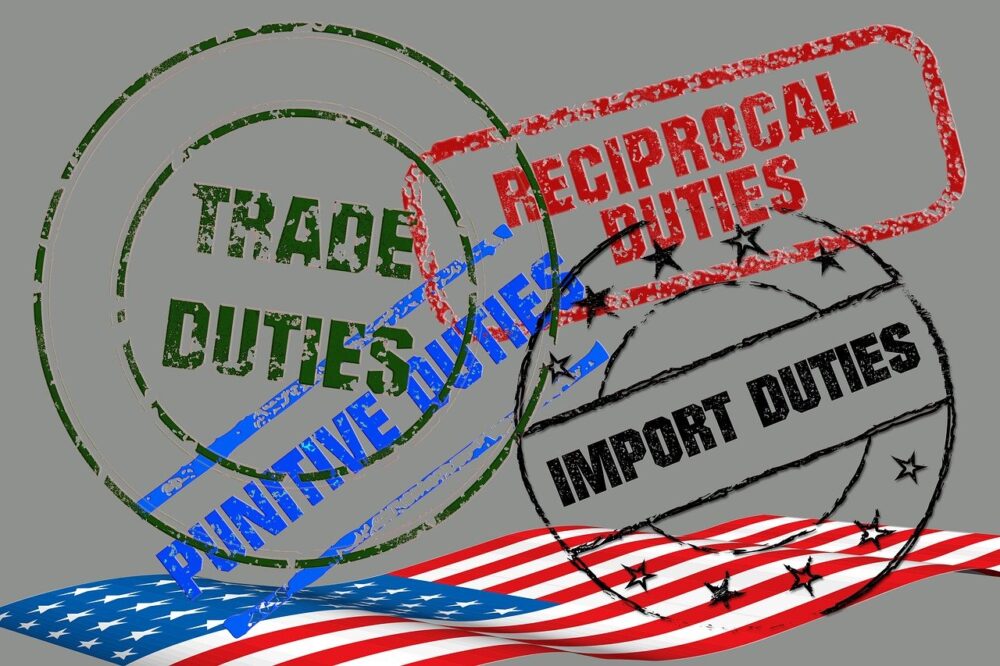
The global trade landscape just shifted again! April 2025 saw the implementation of new import tariffs across several key sectors, and if you’re a supply chain risk owner, you’re likely feeling the tremors. These aren’t just minor cost adjustments; they represent a fundamental reshaping of international commerce, demanding a proactive and strategic response. The stakes are high. A recent report by the International Trade Consortium estimates that these new tariffs could increase the cost of goods for some businesses by as much as 15% within the next year. Ignoring this reality is no longer an option; understanding and mitigating the risks while identifying potential opportunities is now paramount for supply chain resilience and growth.
Enterprise Risk Management Magazine articles
Tariffs Business Risk

This article dives deep into the implications of these 2025 import tariffs for supply chain risk management. We’ll explore the multifaceted ways these tariffs exert pressure on your operations, and more importantly, we’ll equip you with nine concrete strategies to not only weather the storm but also to potentially capitalise on the changing tides. So, buckle up, because navigating this new tariff terrain requires agility, foresight, and a willingness to adapt. Let’s get started!

What Do New Tariffs Mean for Supply Chain Risk Management in 2025?

The introduction of new import tariffs in 2025 throws a significant wrench into the well-oiled machine of global supply chains. For supply chain risk management, this translates into a heightened level of complexity and a broader spectrum of potential disruptions. It’s no longer just about managing supplier relationships or logistical hurdles; tariffs introduce a layer of financial and strategic uncertainty that permeates every aspect of the supply chain.

Think about it! Suddenly, the cost assumptions you’ve built your models on are no longer valid. The carefully negotiated prices with overseas suppliers might now be subject to significant surcharges, impacting your profit margins and potentially your competitive pricing. This immediate financial impact is just the tip of the iceberg.

These tariffs can trigger a cascade of risks across the entire supply chain ecosystem. They can lead to:

  • Increased Costs: This is the most direct and obvious impact. Tariffs act as a tax on imported goods, directly increasing the cost of raw materials, components, and finished products. This can squeeze margins, force price increases for consumers, and potentially reduce demand.
  • Supply Chain Disruption: As tariffs make certain import sources less attractive, businesses may need to rapidly shift their sourcing strategies. This can lead to disruptions as new suppliers are onboarded, quality control processes are established, and logistical networks are reconfigured.
  • Demand Fluctuations: Increased prices due to tariffs can lead to a decrease in demand for certain goods. Conversely, tariffs on competing products might create unexpected surges in demand for domestically produced alternatives or imports from countries not subject to the tariffs.
  • Geopolitical Instability: The imposition of tariffs can be a symptom or a cause of broader geopolitical tensions. This can lead to further trade disputes, retaliatory tariffs, and increased uncertainty in international trade relations, making long-term planning incredibly challenging.
  • Compliance Challenges: Navigating the complexities of new tariff regulations, including rules of origin, documentation requirements, and potential exemptions, can be a significant administrative burden and increase the risk of non-compliance penalties.
  • Increased Competition: Domestic industries protected by tariffs might become more competitive, putting pressure on businesses that rely on imported goods. Similarly, businesses in countries not subject to the tariffs might gain a competitive advantage in markets affected by them.

Essentially, new import tariffs amplify existing supply chain risks and introduce entirely new ones. Supply chain risk owners in 2025 must adopt a more dynamic and holistic approach to risk management, one that explicitly considers the impact of trade policy on every decision.

12 Reasons Import Tariffs Impact on Supply Chain Risk Management

The impact of import tariffs on supply chain risk management is far-reaching and multifaceted. Here are 12 key reasons why these tariffs demand the attention of every supply chain risk owner:

  1. Direct Cost Inflation: This is the most immediate and tangible impact. Tariffs directly increase the price of imported goods, leading to higher costs for manufacturers, distributors, and ultimately consumers. This erodes profit margins and can impact competitiveness. For example, a 10% tariff on imported steel directly increases the cost for automotive manufacturers relying on that material.

  2. Increased Price Volatility: Tariffs introduce uncertainty into pricing. Changes in trade policy or the threat of new tariffs can cause significant fluctuations in the cost of imported goods, making budgeting and forecasting more challenging. Imagine trying to set your product prices when the cost of your key components could change drastically overnight due to tariff adjustments.

  3. Sourcing Diversification Challenges: When tariffs make traditional import sources less viable, companies are forced to explore alternative suppliers, often in new geographies. This introduces risks related to supplier reliability, quality control, ethical labour practices, and differing regulatory environments. Finding a new supplier of specialised electronics components in a different country, for instance, requires significant due diligence.

  4. Logistical Network Disruption: Shifting sourcing patterns necessitates adjustments to logistics networks. New transportation routes, warehousing locations, and customs procedures need to be established, potentially leading to delays, increased transportation costs, and complexities in managing a more dispersed supply chain. Think about the logistical challenges of suddenly needing to ship goods from Southeast Asia instead of China.

  5. Working Capital Strain: Higher input costs due to tariffs can significantly increase the working capital requirements of a business. Companies need more funds to finance inventory and accounts payable. This can put a strain on cash flow, especially for smaller and medium-sized enterprises. Holding more inventory at higher tariffed prices ties up significant capital. 

  6. Demand Forecasting Uncertainty: Tariffs can impact consumer demand in unpredictable ways. Higher prices might lead to decreased demand, while tariffs on competing products could create unexpected surges. Accurate demand forecasting becomes significantly more difficult in this volatile environment. Predicting consumer reaction to price increases on everyday goods due to tariffs is a complex task.

  7. Increased Risk of Counterfeit Goods: As tariffs drive up the cost of legitimate imports, the incentive for counterfeit goods to enter the market increases. This poses risks to brand reputation, product safety, and ultimately consumer trust. The risk of counterfeit luxury goods flooding the market increases when tariffs make genuine items more expensive.

  8. Compliance and Regulatory Complexity: Navigating the intricacies of tariff regulations, including rules of origin, classification codes, and documentation requirements, can be a significant burden. Errors in compliance can lead to penalties, delays, and even seizure of goods. Understanding the specific HS codes and origin rules for each imported component becomes critical.

  9. Geopolitical and Trade Policy Uncertainty: Tariffs are often a tool in broader geopolitical strategies. This means that trade policies can change rapidly and unexpectedly, creating a high degree of uncertainty for businesses engaged in international trade. A sudden escalation in trade tensions between two major economies can have immediate and significant consequences for global supply chains.

  10. Erosion of Competitive Advantage: Businesses that rely on cost-effective imports may see their competitive advantage erode as tariffs increase their input costs. This can make it harder to compete with domestic producers or companies sourcing from regions not subject to the tariffs. A company that built its business model on low-cost imported textiles might suddenly find itself at a disadvantage compared to domestic manufacturers.

  11. Increased Risk of Supply Chain Bottlenecks: As companies rush to find alternative sourcing or adjust their supply chains, bottlenecks can emerge in transportation, warehousing, and customs processing. These bottlenecks can lead to delays and further increase costs. Ports and customs facilities might become overwhelmed as import patterns shift.

  12. Impact on Innovation and Product Development: Higher costs for imported components or materials can stifle innovation and product development. Companies may be forced to use less expensive, lower-quality alternatives or delay the introduction of new products. The ability to incorporate cutting-edge but tariffed technologies into new products might be hampered.

9 Ways Supply Chain Managers Can Avoid/Reduce the Negative Impact of Tariffs and Seize New Business Growth Opportunities from Tariffs

Navigating the complexities of new import tariffs requires a proactive and strategic approach. Here are nine ways supply chain managers can mitigate the negative impacts and potentially uncover new growth opportunities:

  1. Thoroughly Analyse Your Current Supply Chain Footprint: The first step is to gain a deep understanding of how the new tariffs will specifically impact your existing supply chain. This involves identifying all imported goods subject to tariffs, quantifying the potential cost increases, and assessing the reliance on specific suppliers and geographies. Conduct a detailed SKU-level analysis to understand the tariff implications for each product. Actionable Step: Create a matrix mapping your key imported materials and components against the new tariff rates and their origin.

  2. Explore Sourcing Diversification and Nearshoring/Reshoring: Reducing reliance on tariffed imports is crucial. Actively investigate alternative suppliers in countries not subject to the tariffs. Consider the feasibility of nearshoring (moving production closer to home) or reshoring (bringing production back to your domestic market). Evaluate the total landed cost, including transportation, lead times, and quality control, when considering new sourcing options. Actionable Step: Initiate conversations with potential alternative suppliers in tariff-exempt regions and conduct feasibility studies for nearshoring or reshoring key production processes.

  3. Renegotiate Contracts with Existing Suppliers: Engage in open and honest discussions with your current suppliers. Explore options for cost sharing, value engineering, or alternative pricing structures that might help mitigate the impact of tariffs. Long-term partnerships might involve collaborative efforts to find cost efficiencies throughout the supply chain. Actionable Step: Schedule meetings with key suppliers to discuss the tariff implications and explore potential contract adjustments.

  4. Optimise Inventory Management Strategies: In a tariff-heavy environment, efficient inventory management becomes even more critical. Carefully balance the need to avoid stockouts with the increased cost of holding inventory due to higher import prices. Explore strategies like postponement, where final product configuration is delayed until demand is clearer, or implementing more agile inventory models. Actionable Step: Review your current inventory levels and forecasting accuracy, and explore opportunities to implement more responsive inventory management techniques.

  5. Invest in Supply Chain Technology and Visibility: Enhanced visibility across your supply chain is essential for identifying potential disruptions and reacting quickly to changes. Invest in technologies like advanced analytics, real-time tracking, and supply chain mapping to gain a comprehensive view of your international flows and potential tariff impacts. Actionable Step: Evaluate and implement supply chain visibility platforms that provide real-time data on shipments and potential tariff-related delays.

  6. Seek Tariff Relief and Duty Drawback Opportunities: Explore potential avenues for tariff relief, such as applying for exemptions or utilising duty drawback programmes (refunds on duties paid on imported goods that are subsequently exported). Understanding the specific tariff regulations and available relief mechanisms can significantly reduce costs. Actionable Step: Consult with customs brokers and trade compliance experts to identify potential tariff relief or duty drawback opportunities relevant to your imports.

  7. Innovate Product Design and Material Usage: Consider redesigning products to reduce reliance on tariffed materials or components. Explore the use of alternative materials that are either domestically sourced or imported from tariff-exempt regions. This can lead to both cost savings and enhanced supply chain resilience. Actionable Step: Engage your R&D and engineering teams to explore product redesign options that minimise the use of tariffed inputs.

  8. Explore New Market Opportunities and Export Strategies: While tariffs pose challenges for imports, they can also create new opportunities in domestic markets or in countries where your products might now be more competitive due to tariffs on goods from other nations. Explore new export markets that might be less affected by the tariffs impacting your imports. Actionable Step: Conduct market research to identify potential new domestic or international market opportunities arising from the changed tariff landscape.

  9. Foster Collaboration and Communication Across the Organisation: Effectively navigating the tariff landscape requires strong collaboration between procurement, logistics, finance, sales, and legal teams. Open communication and shared understanding of the risks and opportunities are essential for developing and implementing effective mitigation strategies. Actionable Step: Establish a cross-functional task force to address the challenges and opportunities presented by the new import tariffs, ensuring alignment across all relevant departments.

By proactively implementing these strategies, supply chain managers can not only mitigate the negative impacts of the 2025 import tariffs but also position their organisations to seize new business growth opportunities in this evolving global trade environment. The key is to be agile, informed, and ready to adapt to the changing currents of international commerce.

Join Supply Chain Risks group

Supply Chain Risks
Supply Chain Risks

Get help to protect and grow your business faster with less uncertainty with BusinessRiskTV

Find out more about our Business Risk Management Club

Subscribe for free business risk management tips risk reviews and cost reduction ideas

Connect with us for free

Read more business risk management articles and view videos for free

Connect with us for free

Read more risk management articles and view videos:

  1. How can supply chain risk owners mitigate impact of 2025 import tariffs

  2. Best strategies for supply chain managers to avoid negative effects of new tariffs 2025

  3. What are the risks of 2025 import tariffs on global supply chain management and how to overcome them

  4. Ways to reduce negative impact of 2025 import tariffs and find new growth opportunities in supply chain

  5. Actionable strategies for supply chain risk owners to navigate and capitalise on import tariffs in April 2025

Supply Chain Risk Management
Supply Chain Risk Management Live and OnDemand

Relevant hashtags:

  1. #SupplyChainRisk

  2. #ImportTariffs2025

  3. #GlobalTrade

  4. #SupplyChainManagement

  5. #TradeCompliance

Trade Tariffs 2025
Business Forums UK

Connect online to solve your business problems quicker and cheaper

Join the right community for your country or industry. We know that running a business can be lonely. Sometimes having someone to bounce off can be helpful. Get advice and debate business risk management solutions. Gain risk insight and build business intelligence to inform your decision-making. Feed of the experiences of:

  • Entrepreneurs
  • Small business owners
  • Business managers
  • Business leaders
  • Risk professionals

Business Advice Forum

Find the right business forum for your business needs. Engage with our online discussions. Ask for advice on your business problem.

Register for alerts to upcoming online business forum events


Business Forums UK

Diversify supply chains to reduce reliance on one country or supplier

Reducing the risk of supply chain disruptions with BusinessRiskTV.com

Reduce supply chain risk. Should one supplier be shutdown for whatever reason your business should be able to continue without interruption. At the very least ensure you have alternative risk control measures to react to normal supply interruptions. The proximate cause of the supply chain disruption could be wide and varied including fire political social unrest natural disaster or even something called coronavirus. Assessing the risks from your supply chain is critical to the resilience of your business. Diversifying supply chain can increase costs but need not automatically follow.

Supply Chain Risk Management
Supply Chain Risk Management Articles Discussion Live On Demand Video Streaming To Help You Manage Risks Better

Enter code #SupplyChainRisk

Reducing the risk of supply chain disruptions

Adapt quickly to changes within the supply chain to minimise the risk of disruptions to your business performance. Scan the horizon to look for future potential for disruption. Analyse the current risks and take appropriate action.

Supply Chain Risk Management BusinessRiskTV

Subscribe to BusinessRiskTV for free supply chain risk management alerts bulletins and reviews to your inbox

Find out more about supply chain risk management here

Join our free online supply chain risks group discussion

Collaborate with BusinessRiskTV to grow your business faster with less uncertainty
ASK TO JOIN SUPPLY CHAIN MANAGEMENT DISCUSSIONS NEWS OPINIONS AND REVIEWS

Supplier Diversification In Supply Chains

Critical Key Supply’s Should Be Manufactured In Your Own Country More To Mitigate Breaking Supply Chain To Your Business

Promote and market your supply chain risk related business on BusinessRiskTV for 12 months

Put your products and services in front of new customers already interested in your type of business offering before your competitors do.

Cheap ways to promote your business
Find out how to promote your business locally and globally. CLICK HERE for more information.

Link into your existing sales process or use our eCommerce solutions to increase your sales cash flow and profit

Increase the sources of your revenue streams more sustainably. Grow your business faster with BusinessRiskTV.

Supply Chain Risk Consulting

Get help from one of our Supply Chain Risk Consulting Partners to manage your supply chain risks better.

Business Risk Partners
BusinessRiskTV Risk Partners enter code #SupplyChainRiskConsultingQuote
Marketplaces Exhibitions
Cost Reduction Risk Magazine
Discover better ways to protect and grow your business with BusinessRiskTV

#BusinessRiskTV #SupplyChainRisks #SupplyChainRiskManagement #SupplyChain #Logistics #SupplyChainManagement #Shipping #Freight #SupplyChainRisk #SupplyChainRiskConsultingQuote

Diversify supply chains to reduce reliance on one country or supplier

Your guide to supply chain risk management

What are the best ways to manage supply chain risks with BusinessRiskTV.com

How Do You Manage Supply Chain Risks

A guide to supply chain risk management for business leaders locally and globally. Take a practical approach to supply chain risk management. Create your own supply chain risk management plan.

Enter code #SupplyChainRiskManagement

Build a supply chain risk management framework based on the culture of your business and industry. Monitor and review your risk assessment process in line with current best supply chain risk management practices. Ensure you comply with current governance risk and compliance GRC rules regulations and standards.

Supply Chain Risk Management

The importance of supply chain risks management and examples of supply chain risk controls

Supply chain risks refer to any potential disruptions or negative impacts on the supply chain that could impact an organisation’s ability to meet customer demand and/or fulfill their own business objectives. These risks can arise from a wide range of factors, such as natural disasters, geopolitical instability, economic volatility, supplier bankruptcy, and cyber threats. The importance of supply chain risk management cannot be overstated as it enables organisations to mitigate or avoid the negative impacts of these risks and maintain business continuity.

Effective supply chain risk management involves identifying potential risks and implementing strategies to minimise or eliminate them. Organisations need to assess the likelihood and impact of different types of supply chain risks and develop contingency plans to respond to disruptions. They also need to establish processes for monitoring their supply chain and identifying potential risks in real-time so that they can take immediate action to minimise their impact.

One of the most significant benefits of supply chain risk management is that it enables organisations to maintain their customer service levels and meet their business objectives. When supply chain disruptions occur, they can result in delays, product shortages, and quality issues that can negatively impact customer satisfaction and brand reputation. By proactively managing supply chain risks, organisations can minimise the likelihood of these disruptions occurring and ensure that they have the necessary resources and contingency plans in place to respond quickly and effectively.

Another benefit of supply chain risk management is that it enables organisations to reduce their overall supply chain costs. When supply chain disruptions occur, they can result in increased costs, such as rush orders, expedited transportation, and additional inventory holding costs. By managing supply chain risks, organisations can minimise these costs and optimise their supply chain operations to improve efficiency and reduce waste.

Here are some key supply chain risks that organisations need to be aware of, along with examples of supply chain risk controls:

Supply Chain RiskExamples of Risk Controls
Supplier bankruptcyDiversifying supplier base, conducting regular financial assessments of suppliers, establishing contingency plans to switch suppliers if necessary
Natural disastersDeveloping contingency plans for alternate transportation routes, stockpiling inventory in multiple locations, establishing communication channels with suppliers and logistics partners
Geopolitical instabilityDiversifying supplier base across different regions, monitoring political and economic developments in key regions, establishing contingency plans for political unrest
Cyber threatsImplementing cybersecurity measures such as firewalls, encryption, and multi-factor authentication, conducting regular cybersecurity audits, establishing incident response plans

In conclusion, supply chain risk management is a critical aspect of modern business operations that can help organisations maintain business continuity, meet customer demand, and optimise their supply chain operations. By identifying potential risks, developing contingency plans, and establishing effective monitoring processes, organisations can minimise the impact of supply chain disruptions and maintain a competitive edge in today’s global marketplace.

Join Supply Chain Risks forum for free alerts bulletins and reviews

Join in the discussion on supply chain risk management to better protect and grow your business.

Collaborate with BusinessRiskTV to grow your business faster with less uncertainty
Join Supply Chain Risks online forum for latest supply chain risk management news opinions and reviews

Promote and market you supply chain associated business on BusinessRiskTV for 12 months

Present your products or services to new buyers already interested in your type of business before your competitors do.

Cheap ways to promote your business
Find out how to promote your business locally and globally

Link into your existing sales process or use our eCommerce solutions to increase your sales cash flow and profit. Increase your revenue streams. Grow your business faster.

Read supply chain management articles and watch videostream trending on BusinessRiskTV

Supply Chain Risk Management
Supply Chain Risk Assessment Coach enter code #SupplyChainRiskAssessmentCoach

#BusinessRiskTV #SupplyChain #SupplyChainsRisks #SupplyChainRiskManagement #SupplyChainManagement #SupplyChainRiskAssessmentCoach

BusinessRiskTV Your guide to supply chain risk management

Business Advice Forum BusinessRiskTV Small Business Advice Forum

Advice tips and support to help business leaders make better decisions quicker with less uncertainty with BusinessRiskTV.com

BusinessRiskTV provides a business advice forum for business leaders. Connect with like minded business leaders. Discuss key threats and opportunities facing your business in a virtual online business advice forum.

  • Explore and evaluate country risks to your business
  • Explore and evaluate industry risks to your business
  • Explore and evaluate specific business risks to your business

Pick the right forum via BusinessRiskTV to manage your business risks better to boost your business performance.

Small Medium Business Advice Forum Free

Subscribe to BusinessRiskTV for free alerts bulletins and reviews to your inbox

Enter code #BusinessAdviceForum

Promote and market your business on BusinessRiskTV for 12 months

Cheap ways to promote your business

Find out how to promote your business locally and globally. CLICK HERE or email editor@businessrisktv.com entering code #BusinessAdviceForum

Put your products or services in front of new buyers interested in your business offering. Increase your income streams more profitably and more sustainably.

Link into your existing online sales process direct from BusinessRiskTV or use our eCommerce solutions to increase your sales cash flow and profit.

Increase the sources of your revenue streams more sustainably. Grow your business faster with BusinessRiskTV.

MarketplacesExhibitions
Save MoneyBusiness Magazine

Discover new ways to protect and grow your business with BusinessRiskTV

#BusinessRiskTV #BusinessAdvice #BusinessTips #BusinessAdviceForum #SmallBusinessAdviceForum #BusinessForums #RiskManagementForums #RiskManagement #EnterpriseRiskManagement

Business Advice Forum BusinessRiskTV

More meetings but few business decisions are made

Problem solving meetings and innovative business solutions with BusinessRiskTV.com

More Efficient and Effective Business Decisions

Structure management meetings to make real decisions. Make progress do not maintain status quo. Move your business forward with a meeting. Make sure your decision making meeting works well for your business.

Having too many meetings decreases productivity. A boost to productivity can be facilitated by reducing the number of meetings and making each one held more venues for better decision making. Manage meeting process better and keep meetings short.

Academics from the University of Malmo in Sweden say meetings provide an outlet for people at work to show off their status or to express frustration.

BBC Report

Managers should have clearly defined roles and accountability that they have agreed to and these should be directly linked with the strategic operational and project objectives of the business.

Just because you have manager in your job title does not mean the best thing for the business is to be in meetings constantly. Especially if at the end of a meeting not decision has been taken on the subject of the meeting.

However the BBC report says that the professor things meetings are good because they allow the business to assert power and direction over those attending the meeting. Surely meetings should be about engaging all those attending the meeting in solving a specific problem or problems the meeting has been called to address. Address means there must be decisions taken on how to resolve the issues raised otherwise they are just talking shops and can actually be more destructive than constructive.

If dissatisfaction with the business is to be allowed it should be in the understanding that you bring a solution to the problem you are complaining about not just a problem.

Better Business Decision Making Faster Business Growth More Corporate Enterprise Success
Find ways to grow faster and protect your business better

Effective meetings can produce better business decisions. Not all decisions made at a meeting will be good decisions. Having decided a meeting is needed make sure the potential benefit from the meeting is not missed.

  • Make sure ever attendee properly prepares for the meeting. Make sure what decision needs to be made is clear before the meeting and what is expected from attendees.
  • Make sure it is clear that people are attending not to talk about the problem but to make a decision on a specific issue.
  • There maybe more than one option to consider and decide on the best decision. Make sure the options are clear before the meeting.
  • Make sure there is a written meeting agenda and a clear idea of what decisions are needed. Make sure all attendees are suitable informed about the meeting subject matter. Send out agenda before meeting.

Holding short meetings are better than long ones. Shorter meetings should help focus minds on the key issues at hand. Short meetings can focus the energy in the room on finding business solutions not issuing direction or showcasing managerial power.

Our online breakfast meetings are highly focused on finding best business risk management solutions for your business

Breakfast Networking UK Online
For anyone who has in interest in enterprise risk and risk management : explore the challenges and rewards faced by all risk managers

Our Global Risks Symposium saves time and money finding the best business management solutions for business leaders within a country or industry. Find the best risk management solution for your specific business problem. Our risk experts and your peers find practical solutions to most business issues.

Global Risk Report
Enter code #GlobalRisksSymposium

Subscribe to BusinessRiskTV for free alerts and bulletins on latest business risk management tips

Promote and market your business on BusinessRiskTV for 12 months

Cheap ways to promote your business
Find out how to promote your business locally and globally entering code #Marketing
Marketplaces Exhibitions
Save Money Risk Magazine
Discover new ways to protect and grow your business with BusinessRiskTV

#BusinessRiskTV #DecisionMaking #DecisionMakers #BusinessDecisions #MeetingPlace #BusinessForums #Forums #GlobalRisksSymposium #BreakfastMeetings #Leadership #BusinessSolutions #ProblemSolving #BusinessLeaders

Business Risk Management Club
Reduce Worry Stress Anxiety From Business Decisions

BusinessRiskTV More meetings but few business decisions are made

Business Risk Management Club

Help to protect and grow your business

Discover the simple and affordable way to manage your business risks better

Manage business risks better by country by industry and by specific types of business risks. Join our business risk management club for free.

Introducing the BusinessRiskTV Business Risk Club

BusinessRiskTV business risk management active members club enables members to contribute to BusinessRiskTV for free. Active members around the world contribute articles and videos to help grow their business faster with less uncertainty to help inform readers business risk management decision making.

  • Boost your sales more profitably
  • Increase your network of business contacts
  • Protect your business uncertainty negatively impacting on your business

If you want an innovative flexible way to grow your business faster and build business resilience join and contribute to BusinessRiskTV Club today.

Members of the BusinessRiskTV business risk management club collaborate to reduce corporate threats and increase business growth opportunities through

  1. business networking with key business decision makers locally and globally
  2. improved risk assessment via better business intelligence
  3. reduced cost of risk control via deals discounts and special offers

Build a more successful and sustainable business more easily with BusinessRiskTV.

Join Buisness Risk Management Club Free

Join BusinessRiskTV Business Risk Management Club Today For Free enter code #RiskClub

Join the BusinessRiskTV Business Risk Club and receive FREE business risk alerts bulletins and latest business risk news to stay ahead of your competition.

The Club is free to join. Then you choose whether you want to contribute to BusinessRiskTV to promote your own business and inform online readers. You pay an annual membership fee to regularly contribute to BusinessRiskTV and promote your business interests cost effectively.

Key benefits of BusinessRiskTV Risk Club and reasons to join and contribute today

  1. Free to join. There is no cost to join the club. Once you join you also have the option of contributing to BusinessRiskTV to better market promote and advertise your business. In addition you will have increased access to discussions workshops and executive training to better protect your business. You are in control of what to do next after you join the club for free.
  2. Free business intelligence to inform your decision making to build your business resilience. Club members receive free news alerts and bulletins. Our risk watch service scans the horizon for emerging risks and analyses business risk trends. You can attend online discussions workshops and executive training sessions.
  3. Safe and secure. All payments are made through Paypal an independent third party online payment service which stops us receiving full details of your banking or payment details so you are protected by Paypals security systems.
  4. Build your online profile and connections to grow your business faster. BusinessRiskTV has an impressive online profile to connect you with local and global business risk management experts and new sales for your business.
Join BusinessRiskTV Business Risk Management Club

Join BusinessRiskTV Business Risk Management Club enter code #RiskClub

Fast Growing Local and Global Business Risk Management Connections

BusinessRiskTV has already built up an impressive bank of like minded business leaders and business risk management consultants for club meMbers to tap into for business tips advice and support.

The BusinessRiskTV Club is carefully expanding its reach to help business leaders to better protect and grow their own businesses and careers.

BusinessRiskTV Club is NOT just a talking shop. It is a business growth hub to practically accelerate members revenue streams. It is business accelerator where everyone has the same interest in seeing the businesses build resilience regardless of economic environment.

Join BusinessRiskTV Business Risk Management Club

Join BusinessRiskTV Business Risk Management Club enter code #RiskClub

Founder of BusinessRiskTV Risk Management Club

Read Keith Lewis Testimonials as to the quality of his work. This gives some background as to the quality of the business risk management business intelligence being gathered and distributed.

Join BusinessRiskTV Business Risk Management Club

Join BusinessRiskTV Business Risk Management Club enter code #RiskClub

You are in control of your relationship with us

In addition to controlling your own business risks better you are in total control of how you use BusinessRiskTV and how much you want to contribute to it to increase your own business growth.

You are always in control of your subscription to BusinessRiskTV club. You can choose to remain on the free membership and still receive free business intelligence and risk knowledge. Or you can regularly contribute to the content and thus increase your own business profile and business growth.

We are in it for the long term and look forward to working with members for sustainable mutual benefit. If you want to stop your membership you can at any time. We are looking forward to you working with us to help your business grow faster.

Hands Free Business Growth and Development Of Your Business

One of the great strengths of the BusinessRiskTV business risk management club is that members do not need to know how to market their business online. You can simply email us the message you want to promote and we can connect you with more new potential customers or other business leaders.

You can read business risk management articles or watch videos for free including business risk management expert opinions and analysis to inform your own business decision making process.

After you join the club you can just use it as a simple way to be kept up to date on emerging and developing corporate risks impacting on your business objectives.

Sit back and receive email alerts to important business risk intelligence to develop your risk management knowledge. Alter your business risk management plan accordingly based on expert risk analysis. Alerts bulletins and news have the potential to build your business resilience and business growth.

Join BusinessRiskTV Business Risk Management Club

Join BusinessRiskTV Business Risk Management Club enter code #RiskClub

Boost Your Business Growth

BusinessRiskTV Club could be very profitable for your business if you contribute to the content and connect to your business. There are no guarantees of returns but membership of the club expands your options for greater business success and business resilience. There will be failures. That is the nature of business marketing and development. However you will get access to innovative flexible ways to grow and protect your business better. We will minimise the cost of uncertainty impacting on your business objectives over time. At the same time we will increase the chances of become a market leader in your industry and country.

Join BusinessRiskTV Business Risk Management Club

Join BusinessRiskTV Business Risk Management Club enter code #RiskClub

Frequently Asked Questions FAQs

  • Is BusinessRiskTV Club free to join and how does BusinessRiskTV make money? It is free to join now to receive free alerts bulletins and business risk news. If you want to contribute to BusinessRiskTV by becoming a Member you pay an annual fee. BusinessRiskTV also accepts donations to support free independent business risk management news broadcasting and business risk management research. In addition businesses pay us one off fees to promote market and advertise their business products and services.
  • Am I tied into the BusinessRiskTV Club? It is free to join club. If you want to contribute to BusinessRiskTV there is a membership fee. You are free to leave the club at anytime. You will not be entitled to a refund of the annual membership fee but will not be tied to renew your membership.
  • How long does membership last? 12 months renewable annually.
  • I do not know anything about online business marketing and development? That is one of the great strengths about being in the Business Risk Management Club. You simply join now and then we will email you to find out what you need to do to grow your business faster. We will then go away and start your marketing and promotion campaign. We will design post and update your contributions to promote your business. Our team of enterprise risk experts and business risk advisers to help protect and grow your business faster.
  • How fast will my business grow? It is impossible to say. It depends on how well we can work together to get the most from your existing business development tools and initiatives. The potential is there for massive gains but the value of your membership fee could be worthless if we fail to work well together. That is why our members should always diversify our marketing options to maximise the likelihood of increasing sales. We will guide you on the diversification options based on our discussions on what you offer and when. You are not putting all your business development eggs in one basket but the affordable membership fee expands the likelihood of your business growing faster.
  • How often can my business contribute to BusinessRiskTV? Contribution levels is based on hours it takes to produce and publish each contribution. You will be buying 56 hours of work to produce and publish your contributions each year.
  • Does my business need to contribute regularly to BusinessRiskTV? No. The more you contribute the more you promote your own business interests and increase the chances of faster business growth.
  • My business marketplace is not in UK so can I still join and contribute to BusinessRiskTV? YES! The Club is open to any business selling legal and morally acceptable products and services. Legal is legal but morally acceptable comes down to our own opinion as to what is morally acceptable. Areas include Europe USA Canada Latin America Australia and Asia Pacific.
  • Is paying my membership fee safe? Yes. Your membership fee will be paid via Paypal a global independent payment provider who have their own safe and secure payment systems. We will never see your full payment details as these are retained by Paypal who will transfer your membership fee to our Paypal account.
  • What is the annual membership fee? This will vary depending on how many members we have. As the number of members increase so will the annual membership fee so get in quick to keep your membership fee low!
Join BusinessRiskTV Business Risk Management Club

Join BusinessRiskTV Business Risk Management Club enter code #RiskClub

BusinessRiskTV Business Risk Management Club

Local Sourcing From Local Suppliers Near Me

Shorten your supply chain with BusinessRiskTV

How can business leaders reduce their supply chain risks and increase business resilience

Changing how you source products may need to change after the coronavirus pandemic.

What Is Our Local Sourcing Service All About

Its about connecting business leaders to local suppliers more easily

Find a local supplier
Local Suppliers Near Me Service

Local Suppliers Near Me

The benefits of local sourcing of business products and services are many and varied from environmental benefits to real cost savings to security of supply lines to flexibility of delivery.

In the UK it is more expensive to import goods and services from overseas due to around a 10 to 20 percent fall in the value of the pound against a basket of foreign currencies in the last 12 months. Where there may have been a substantial price difference between imports and domestic suppliers, this has mostly gone as can be witnessed by the fact that the UK is exporting more now that at any time since 1995.

BusinessRiskTV is championing local UK suppliers

We’re helping to connect UK companies with nearby local suppliers when business leaders source new products and services.

Stand out more from the crowd! Support UK businesses. Help promote local business growth by supporting your local business. Get real added benefit from new local suppliers and support them to help your own business needs.  Help new local suppliers to grow with you for a long-term business relationship.   Develop a more sustainable business model.

Sourcing products from around the world can lead to more cost and more business interruptions and less flexibility in meeting your customer needs.

Develop shorter local supply chains to build your business with more certainty. In a new Brexit world developing more local suppliers will guard against the negative impact of currency fluctuations.

Undertake thorough due diligence to ensure your new local suppliers are not going to increase the risks to your customers. Trust BusinessRiskTV to help you buy local next time.

Learn how to become one of our Local Suppliers by subscribing FREE to BusinessRiskTV

Learn how to become one of our Local Suppliers by subscribing FREE to BusinessRiskTV

Enter code LOCAL SUPPLIER SIGN UP

Risk management experts hub
Nearby Risk Management News Analysis Reviews
Reducing the risk of supply chain disruptions with BusinessRiskTV.com

#BusinessRiskTV #LocalSupplies #BuyLocal #SupplyChain #SupplyChainManagement #SupplyChainRiskManagement

AcademyTraining
Cost ReductionRisk Magazine
Discover new ways to protect and grow your business with BusinessRiskTV

Local Sourcing From Local Suppliers Near Me

Small Business Advice Forum

UK Free Business Forum

Pick the best small business advice forum for your business. Use our virtual online small business advice forum to find the answer to your business question. Solve business problems quicker with a small business advice forum focusing on your country or industry.

Online Meeting Forum
Join our online meeting place

Enter code #SmallBusinessAdviceForum

Business Leader Discussion Forum UK

Small Business Ideas and Development Forum. Join our online forum wherever you are whatever your are doing from your phone pc mobile device or TV. 

Small Business Advice Forum UK
Subscribe to BusinessRiskTV Small Business Advice Forum entering code #BusinessAdviceForum

UK Business Leader Discussion Forums

Small Business Forum UK
Small Business Advice Forum

UK forums for small business owners managers and entrepreneurs  in the UK.

Share small business advice, experiences and business ideas, getting and giving business tips on how to protect your business better and grow it faster.

Need advice about a certain issue surrounding your business?

Get practical advice to overcome barriers to your business success.

MarketplacesExhibitions
Cost ReductionsRisk Magazine

Small Business Financial Mistakes

Safeguarding Your Business: Common Financial Mistakes Small Business Owners Make and How to Avoid Them

Small business owners often make financial mistakes that can have serious consequences for the success of their company. Here are some of the most common financial mistakes made by small business owners, and advice on how to prevent them:

  1. Not keeping accurate financial records: Without accurate financial records, it can be difficult for small business owners to make informed decisions about the financial health of their company. To prevent this mistake, small business owners should establish a system for keeping accurate financial records, such as using accounting software or hiring a bookkeeper.
  2. Not having a budget: A budget is an essential tool for small business owners, as it helps them to plan for expenses and manage cash flow. Without a budget, small business owners may overspend and find themselves in financial trouble. To prevent this mistake, small business owners should create a budget and stick to it.
  3. Not having enough working capital: Working capital is the amount of money a business has available to cover its short-term expenses. Without enough working capital, small business owners may struggle to pay bills and meet other financial obligations. To prevent this mistake, small business owners should maintain a healthy level of working capital by managing expenses and seeking financing when necessary.
  4. Not having adequate insurance: Insurance is an important tool for small business owners, as it helps protect their company against potential financial losses. Without adequate insurance, small business owners may find themselves facing financial ruin in the event of a disaster or other unexpected event. To prevent this mistake, small business owners should review their insurance needs and purchase the appropriate policies.
  5. Not diversifying investments: Small business owners often invest a significant portion of their assets in their own company, which can be risky. To prevent this mistake, small business owners should diversify their investments to spread risk.
  6. Not seeking professional advice: Small business owners often make financial decisions without seeking the advice of a professional. This can lead to costly mistakes. To prevent this mistake, small business owners should seek the advice of a financial advisor or accountant before making important financial decisions.

By avoiding these common financial mistakes, small business owners can increase the chances of success for their company.

Small Business Advice Forum
Safeguarding Your Business: Common Financial Mistakes Small Business Owners Make and How to Avoid Them

More small business risk management articles and videos

  • Avoiding Financial Pitfalls: Top Mistakes Small Business Owners Make and How to Prevent Them
  • Safeguarding Your Business: Common Financial Mistakes Small Business Owners Make and How to Avoid Them
  • Steering Clear of Financial Disaster: A Guide for Small Business Owners on Common Mistakes and Prevention Strategies
  • Financial Survival for Small Business Owners: Common Mistakes to Avoid and How to Protect Your Business

#BusinessRiskTV #SmallBusinessAdviceForum #BusinessAdviceForum

Discover new ways to protect and grow your business with BusinessRiskTV

BusinessRiskTV Small Business Advice Forum

How To Improve Supply Chain Risks

Understand the importance of supply chain risk management with BusinessRiskTV.com

Manage business threats and opportunities with enterprise risk management ERM principles and practices. Take a practical enterprise risk based approach to supply chain management. Review your top risks in your supply chain.

Subscribe to BusinessRiskTV for free tips and advice alerts and bulletins on how to improve supply chain risks

Enter code #SupplyChainRisks

Assess and mitigate supplier risk

Learn more about improving supply chain risks. Understand supply chain risks and how to mitigate them. Not understanding your supply chain risks increases the risk of business interruption at best and at worst threatens your business survival.

Increasing business partnerships and business outsourcing of non core business functions reduces the expertise to manage some risks and increases the likelihood that an external risk could stop you servicing your clients business needs.

Identify assess and manage supply chains risks better

Improving supply chain risks and supplier performance could easily improve your own business performance and business resilience.

Managing Business Risks Better with C&C Associates : Supply Chain Risks
Subscribe to BusinessRiskTV.com Supply Chain Risk Management enter code #SupplyChain

Learn supply chain risk management tools techniques and processes. Increase supplier’s risk transparency and reduce cost of supplier’s risk. Create a supplier quality improvement plan.

Get access supply chain risk management solutions to make better business decisions.

What supply chain risk factors is your business exposed to?

How do you plan to handle supply chain risks?   Improve your supply chain risk management capabilities.   Get a clear picture of supplier’s risk for you business.   Reduce your vulnerability and increase your resilience.

Supply Chain Risk Management
Supply Chain Risk Management Articles Discussion Live On Demand Video Streaming To Help You Manage Risks Better

Click to here more about Supply Chain Risk Management

Marketplaces Exhibitions
Deals Risk Magazine
Supply Chain Risk Management Magazine

#BusinessRiskTV #SupplyChainRisks #SupplyChain #SupplyChainRiskManagement #RiskManagement

BusinessRiskTV How To Improve Supply Chain Risks