Blackout in Barcelona: A Canary in the Renewable Energy Coal Mine?
The lights flickered. Then died. Across Spain, from bustling Barcelona to the sun-drenched Andalusian coast, an unprecedented electrical outage plunged millions into darkness in late April and early May 2025. Initial reports pointed to technical glitches, but whispers in the energy sector suggest a more fundamental, and frankly, alarming cause: the intricate dance between the science of inertia and the rapid proliferation of renewable energy sources. Could the very technologies lauded as our salvation be, in their current deployment, a significant threat to the stability of our power grids? This isn’t just a Spanish problem; it’s a global wake-up call.
Is your business prepared for the next energy crisis? Get the actionable insights you need now.
This article delves deep into the potential interplay between inertia, renewable energy integration, and the Spanish blackout. We’ll explore why this isn’t an isolated incident but a looming challenge for the world’s ambitious renewable energy strategies. Buckle up, because the implications for your business, and indeed the future of global energy, are profound. We’ll not only dissect the problem but also provide actionable insights and risk control measures you need to implement now to safeguard your operations in this evolving energy landscape. Let’s get started.
Unpacking the Blackout: Inertia, Renewables, and Spain’s Electrical Infrastructure
To understand the potential link between inertia, renewable energy, and the Spanish blackout, we need to grasp some fundamental principles of electrical grid operation. Traditional power grids, heavily reliant on large synchronous generators powered by fossil fuels or nuclear energy, possess a crucial characteristic: inertia. Think of it as the spinning mass of these generators acting like a flywheel. This rotational inertia provides inherent stability to the grid. When demand for electricity suddenly increases or a fault occurs, this stored kinetic energy helps to resist rapid changes in frequency, giving grid operators precious seconds to react and balance supply and demand.
Now, enter renewable energy sources like solar and wind. While undeniably clean and essential for decarbonisation, their integration presents a significant challenge to grid inertia. Unlike those massive spinning generators, inverter-based resources (IBRs) such as solar photovoltaic (PV) systems and wind turbines are decoupled from the grid’s physical rotation through power electronic interfaces. They don’t inherently contribute the same kind of synchronous inertia.
The problem arises when the proportion of IBRs on the grid becomes substantial, as it has in Spain, a nation at the forefront of renewable energy adoption. As older, inertia-rich power plants are decommissioned and replaced by renewables, the overall inertia of the system decreases. This makes the grid more susceptible to frequency fluctuations following disturbances. A sudden loss of a large power source or a surge in demand can lead to a rapid drop in frequency that the system struggles to counteract quickly enough, potentially triggering widespread blackouts as protective mechanisms kick in to prevent damage.
While the official investigation into the Spanish blackout is ongoing, reports suggest a confluence of factors, including a sudden drop in wind power generation coinciding with peak demand and potentially exacerbated by lower system inertia. It’s a complex interplay, and attributing the outage solely to inertia and renewables would be an oversimplification. However, the event has undeniably shone a spotlight on the critical need to address the inertia challenge as we transition to a cleaner energy future.
The Global Renewable Energy Dilemma: A Problem Beyond Spain
Spain’s experience, whether definitively linked to inertia and renewables or not, serves as a stark warning for the rest of the world. Nations across the globe are aggressively pursuing ambitious renewable energy targets to combat climate change. This transition, while vital, carries inherent risks to grid stability if not managed proactively.
Consider countries like Germany, Denmark, and California, all boasting high penetrations of wind and solar power. As they continue to increase their reliance on these variable energy sources, they too will face the challenge of maintaining grid stability with reduced synchronous inertia. The intermittency of wind and solar already necessitates sophisticated forecasting and balancing mechanisms. Lower inertia amplifies the consequences of forecast errors and unexpected fluctuations.
Furthermore, the increasing electrification of transportation and heating will place even greater demands on the grid, requiring even more robust and resilient infrastructure. A grid struggling with low inertia will be less able to handle these new loads and the associated variability.
The implications are far-reaching. Businesses rely on a stable and reliable power supply for their operations. Frequent blackouts, even short-lived ones, can lead to significant economic losses, disrupted supply chains, and reputational damage. Critical infrastructure, such as hospitals, transportation systems, and data centers, are particularly vulnerable. The social and economic costs of widespread and prolonged outages are simply unacceptable in our increasingly interconnected world.
Rethinking Energy Strategies: A Global Imperative
The Spanish blackout, viewed through the lens of potential inertia-related vulnerabilities, underscores the urgent need for a fundamental shift in how countries approach their energy strategies. Simply deploying more renewable generation is not enough. We need a holistic approach that prioritises grid stability alongside decarbonisation. Here’s how energy strategies need to evolve globally:
1. Prioritising Grid Modernisation: Investments in modernising grid infrastructure are paramount. This includes upgrading transmission lines, deploying advanced sensors and control systems, and enhancing grid automation to improve responsiveness and resilience.
2. Integrating Energy Storage Solutions: Large-scale battery storage and other forms of energy storage (like pumped hydro) are crucial for decoupling electricity supply and demand. Storage can absorb excess renewable energy during periods of high generation and release it when needed, providing essential grid services, including synthetic inertia.
3. Developing Synthetic Inertia Capabilities: Inverter technology is rapidly evolving. Grid-forming inverters, unlike conventional grid-following inverters, can actively regulate voltage and frequency, effectively mimicking the behaviour of synchronous generators and providing synthetic inertia to the grid. Mandating and incentivising the deployment of grid-forming inverters for new renewable energy projects is essential.
4. Enhancing Demand-Side Management: Implementing dynamic pricing mechanisms and incentivising consumers to adjust their electricity consumption based on grid conditions can help to smooth out demand peaks and reduce stress on the system. Smart grids and smart appliances will play a key role here.
5. Diversifying Renewable Energy Mix: Relying too heavily on a single renewable energy source can increase vulnerability to weather-related fluctuations. Diversifying the energy mix to include a combination of solar, wind, hydro, geothermal, and biomass can enhance overall system reliability.
6. Strengthening Interconnections: Robust interconnections between regional and national grids allow for the sharing of resources and the mutual support during periods of stress. Investing in and strengthening these interconnections enhances overall system resilience.
7. Implementing Robust Grid Codes and Standards: Grid codes need to be updated to reflect the increasing penetration of IBRs and to mandate the provision of essential grid services, including synthetic inertia and frequency response, from renewable energy generators.
8. Investing in Research and Development: Continuous innovation in grid technologies, energy storage, and advanced control systems is crucial for addressing the evolving challenges of integrating high levels of renewable energy.
9. Fostering Collaboration and Knowledge Sharing: International collaboration and the sharing of best practices are essential for accelerating the transition to a stable and sustainable energy future. Countries that have already achieved high renewable penetration can offer valuable lessons learned.
When Does This Change Need to Happen?
The answer is unequivocally: now! The Spanish blackout serves as a potent reminder that the inertia challenge is not a future problem; it is a present reality. Waiting to address these issues until more significant grid instability occurs would be a catastrophic error with profound economic and social consequences. Proactive measures, implemented urgently, are essential to ensure a smooth and reliable transition to a renewable energy-powered world.
Who Needs to Change and How?
The responsibility for this strategic shift lies with a multitude of actors:
- Governments: They need to set clear policy signals, establish supportive regulatory frameworks, provide funding for grid modernisation and research, and mandate the adoption of grid-friendly technologies. They must also foster international collaboration.
- Grid Operators (Transmission System Operators – TSOs): TSOs need to adapt their operational procedures, invest in advanced grid management tools, and work closely with renewable energy developers to ensure grid stability. They must also develop and enforce updated grid codes.
- Renewable Energy Developers: Developers need to embrace and invest in technologies that can provide essential grid services, such as grid-forming inverters and energy storage. They need to move beyond simply generating energy and become active participants in grid stabilisation.
- Technology Providers: Innovation in areas like energy storage, power electronics, and grid management software is crucial. Technology providers need to accelerate the development and deployment of cost-effective and reliable solutions.
- Energy Consumers (Businesses and Individuals): Through demand-side management programmes and investments in smart technologies, consumers can play a role in enhancing grid stability and reducing peak demand.
The “how” involves a multi-pronged approach:
- Policy and Regulation: Implementing clear targets, incentives, and mandates for grid modernisation, energy storage, and grid-forming technologies.
- Investment: Allocating significant public and private capital towards grid upgrades, research and development, and the deployment of enabling technologies.
- Collaboration: Fostering communication and coordination between governments, regulators, grid operators, developers, and researchers.
- Education and Awareness: Raising awareness among stakeholders and the public about the challenges and opportunities associated with the energy transition.
The Perils of Inaction: Why Delay is Not an Option
Failing to proactively address the inertia challenge and modernise energy strategies will lead to a cascade of problems:
- Increased Frequency and Severity of Blackouts: As renewable penetration increases and inertia decreases, the grid will become increasingly vulnerable to disturbances, leading to more frequent and potentially widespread power outages.
- Economic Disruption: Blackouts cause significant economic losses due to business interruptions, spoiled goods, and damage to equipment. Frequent outages will undermine investor confidence and hinder economic growth.
- Threats to Critical Infrastructure: Unreliable power supply can have devastating consequences for essential services like healthcare, transportation, communication, and water treatment.
- Hindered Renewable Energy Deployment: Grid instability concerns could lead to restrictions on the deployment of new renewable energy projects, slowing down the transition to a clean energy future and undermining climate goals.
- Increased Costs: Reactive measures taken after significant grid failures are typically far more expensive than proactive investments in grid modernisation and stability solutions.
- Erosion of Public Trust: Frequent and prolonged blackouts can erode public trust in the energy system and the ability of governments and utilities to manage the transition effectively.
The Spanish blackout, whether directly caused by inertia issues or not, serves as a stark reminder of the potential vulnerabilities in our rapidly evolving energy landscape. Ignoring the science of inertia and failing to adapt our energy strategies is a gamble we cannot afford to take.
9 Risk Control Actions for Business Leaders: Protecting Your Enterprise Now
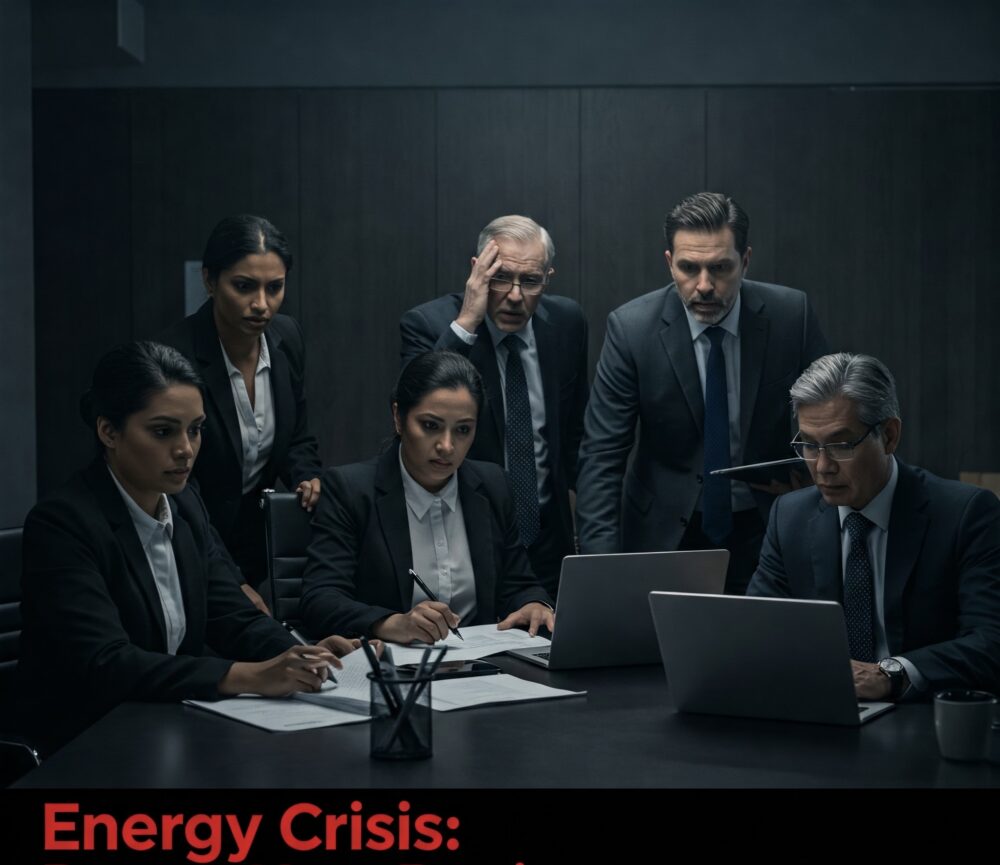
The potential for increased grid instability due to the integration of renewable energy and the associated inertia challenges presents significant enterprise risks. Prudent business leaders need to take proactive steps now to mitigate these risks and ensure business continuity. Here are nine crucial risk control actions:
- Invest in Uninterruptible Power Supplies (UPS) and Backup Generators: For critical operations, ensure robust UPS systems are in place to bridge short-term outages. Supplement this with backup generators fueled by diverse sources (where feasible) to maintain essential functions during longer disruptions. Regularly test and maintain these systems.
- Develop Comprehensive Business Continuity and Disaster Recovery Plans: These plans should explicitly address potential power outages of varying durations. Include detailed procedures for communication, data backup and recovery, alternative work locations, and employee safety.
- Implement Energy Monitoring and Management Systems: Understand your energy consumption patterns and identify critical loads. Advanced monitoring systems can provide early warnings of potential grid instability and allow for proactive load shedding if necessary.
- Explore On-Site Renewable Energy Generation with Storage: Consider investing in on-site solar PV with battery storage. This can provide a degree of energy independence and resilience, particularly during grid outages. Evaluate the economic feasibility and grid interconnection requirements carefully.
- Engage with Your Utility and Industry Associations: Stay informed about grid modernisation plans, potential reliability challenges, and demand response programs in your region. Participate in industry discussions and advocate for policies that enhance grid resilience.
- Diversify Your Operational Footprint (Where Feasible): If your business has multiple locations, consider the energy reliability profiles of each region. Diversifying operations can reduce the impact of localised outages.
- Review Insurance Coverage: Ensure your business insurance policies adequately cover losses resulting from power outages, including business interruption and damage to equipment. Understand the terms and limitations of your coverage.
- Train Employees on Emergency Procedures: Conduct regular training sessions for employees on how to respond safely and effectively during a power outage. This includes procedures for communication, evacuation (if necessary), and the operation of backup systems.
- Advocate for Resilient Energy Policies: Engage with policymakers and advocate for investments in grid modernisation, energy storage, and policies that prioritise grid stability alongside renewable energy deployment. Your voice as a business leader can influence critical decisions.
The Spanish blackout may be a localised event, but its potential implications for the global energy transition are profound. By understanding the interplay between inertia and renewable energy, and by taking proactive risk control measures, business leaders can protect their organisations and contribute to a more resilient and sustainable energy future. Don’t wait for the lights to go out in your region. The time for action is now.
Get help to protect and grow your business faster
Find out more about Business Risk Management Club to improve your business resilience here
Subscribe for free business risk management tips risk reviews and cost reduction ideas
Connect with us to improve your business performance for free
Read more business risk management articles and view videos for free
Connect with us to protect and grow your business for free
Business Resilience BusinessRiskTV Building Business Resilience
Spanish Business News In English BusinessRiskTV Spain Business Risks
Read and view more:
-
Electrical grid failure Spain renewable energy inertia problem 2025
-
Impact of low grid inertia on renewable energy infrastructure stability
-
Risk control actions for businesses facing renewable energy grid instability
-
Why do renewable energy sources cause electrical grid frequency problems
-
How should national energy strategies adapt to increasing renewable energy penetration and grid inertia
Relevant hashtags:
-
#RenewableEnergyRisk
-
#GridStabilityChallenge
-
#EnergyTransition
-
#BusinessContinuity
-
#SpainBlackout2025
Electrical grid failure Spain renewable energy inertia problem 2025