Risk Less. Grow More. – BusinessRiskTV.com for Smarter Enterprise
Tag: Business Risk Analysis
Business Risk Analysis With BusinessRiskTV. Improve your business management decisions. Boost business performance. Build business resilience.
Business Risk Analysis is an essential part of running any business, big or small. Understanding and managing risks is vital to the long-term success of a company. Business risks can come in many forms, such as economic, operational, financial, and legal risks. Business owners need to identify, evaluate, and manage these risks to ensure that they do not negatively impact the company’s profitability or reputation.
What is Business Risk Analysis?
Business Risk Analysis is the process of identifying and evaluating potential risks that could impact a company’s operations, financial performance, or reputation. It involves assessing the likelihood of each risk occurring and the potential impact it could have on the company. The goal of Business Risk Analysis is to develop a plan to manage and mitigate these risks, so they do not become a significant issue for the company.
Types of Business Risks
There are several types of business risks that companies may face. Some of the most common include:
Economic Risks: Economic risks are those that arise from changes in the economy, such as recessions, inflation, or changes in interest rates.
Operational Risks: Operational risks are those that arise from the day-to-day operations of a business, such as equipment failures, supply chain disruptions, or employee errors.
Financial Risks: Financial risks are those that arise from the company’s financial operations, such as debt levels, cash flow, or credit risk.
Legal Risks: Legal risks are those that arise from non-compliance with laws and regulations, such as lawsuits, fines, or penalties.
The Business Risk Analysis Process
The Business Risk Analysis process involves several steps that businesses can take to identify and manage potential risks. Here are the main steps involved in the process:
Identify Risks: The first step is to identify potential risks that could impact the company. This can be done by reviewing the company’s operations, financials, and legal compliance.
Evaluate Risks: The next step is to evaluate each risk based on its likelihood of occurring and the potential impact it could have on the company.
Develop a Risk Management Plan: Once the risks have been identified and evaluated, the next step is to develop a plan to manage and mitigate them. This may involve implementing new policies and procedures, purchasing insurance, or developing contingency plans.
Monitor Risks: Finally, it’s essential to monitor the risks to ensure that the risk management plan is working effectively. This may involve conducting regular risk assessments and making adjustments to the plan as needed.
Benefits of Business Risk Analysis
There are several benefits to conducting a Business Risk Analysis, including:
Improved Decision Making: By understanding the risks that a business faces, business owners can make better-informed decisions about how to run their company.
Enhanced Risk Management: By developing a risk management plan, businesses can mitigate potential risks and minimise the impact of any unforeseen events.
Improved Financial Performance: By managing risks effectively, businesses can improve their financial performance and profitability.
Better Reputation Management: By mitigating risks, businesses can avoid reputational damage and maintain a positive image in the eyes of customers, investors, and stakeholders.
Business Risk Analysis is an essential part of running any business. By identifying, evaluating, and managing potential risks, companies can improve their decision making, enhance their risk management, improve their financial performance, and maintain a positive reputation.
The BRICS group’s pilot launch of the “Unit,” a gold-backed digital trade instrument, signals a major shift away from the US Dollar. For international businesses, this de-dollarisation trend creates significant FX and market access risks. Discover the 6 essential business risk management actions—from diversifying payment rails and currency hedging to supply chain re-evaluation—that business leaders must implement now to protect and grow their business in a rapidly changing, multipolar global financial landscape.
The launch of the BRICS “Unit” gold-backed digital trade instrument, even in its pilot phase, signals a significant, long-term shift toward de-dollarisation and the emergence of a multipolar financial system. This development primarily creates currency volatility risk, geopolitical risk, and market access risk for international businesses.
Business Risk Management Actions For BRICS Gold Backed Currency
Business leaders must take proactive steps to protect profit margins and capitalise on new trade opportunities that bypass the traditional dollar-centric financial architecture.
1. Diversify Currency Exposure and Payment Rails
Action: Systematically audit all accounts receivable and accounts payable to quantify exposure to the US Dollar (USD) versus BRICS currencies (BRL, CNY, INR, RUB, ZAR) and the new “Unit” if it becomes readily available for international trade.
Mitigation: Establish banking relationships or payment channels that can facilitate settlements in multiple currencies, including BRICS members’ local currencies and potentially the Unit. This reduces reliance on USD-centric payment systems like SWIFT.
2. Adopt Dynamic Currency Hedging Strategies
Action: Move beyond simple forward contracts and explore more flexible hedging instruments like currency options to protect margins while retaining the ability to benefit from favourable exchange rate movements.
Mitigation: Implement a formal, actively monitored Foreign Exchange (FX) risk management policy. Consider utilising natural hedging by matching revenues and expenses in the same currency to reduce net exposure (e.g., sourcing materials in Chinese Yuan if sales are also made in Yuan).
3. Revise Trade and Procurement Strategies
Action: Evaluate the cost-competitiveness of suppliers and buyers within BRICS and Global South nations who may preferentially adopt the Unit for trade settlement, benefiting from lower transaction costs.
Mitigation: Proactively renegotiate existing contracts to include multi-currency settlement clauses or specify pricing in a currency basket that aligns with the Unit’s composition (gold + BRICS currencies) to stabilise invoice values against pure fiat currency volatility.
4. Geographic and Supply Chain Re-evaluation
Action: Map the geographic distribution of your supply chain and customer base to identify regions most likely to adopt the “Unit” (i.e., BRICS nations, Global South/Africa).
Mitigation:Increase market intelligence focus on these regions. Where feasible, localise manufacturing or sourcing in key BRICS countries to operate and transact more easily within their emerging financial ecosystem and reduce cross-currency friction.
5. Monitor Political and Regulatory Developments
Action: Designate a senior executive or external consultant to track the official adoption status, technical specifications, and regulatory compliance requirements of the BRICS Unit in relevant markets.
Mitigation:Develop contingency plans for scenarios where major trading partners impose tariffs or sanctions in response to de-dollarisation efforts, such as the potential for US tariff actions.
6. Model Financial Impact Scenarios
Action: Incorporate high-impact, low-probability events—such as a rapid 10-20% USD devaluation or the swift, widespread adoption of the Unit across key commodity markets—into financial forecasting and budgeting.
Mitigation: Use the scenario models to determine acceptable levels of currency volatility for profit margins and establish clear trigger points for enacting the new, diversified hedging and payment strategies.
Get help to protect and grow your business faster with BusinessRiskTV
Economic manipulation and potential consequences of geopolitical tensions
The air crackles. It’s not just geopolitical tension. It’s the subtle, insidious hum of economic machinery gearing up. We’ve seen this before, haven’t we? The post-2008 scramble, the pandemic’s deluge of freshly minted currency. Now, a new spectre looms – Russia. And with it, a narrative that could justify trillions in new debt, a narrative that threatens to further erode the very foundations of our financial stability. We’re talking about inflation, busting the budgets of families, and the silent theft of wealth.
My time here is short, what can I do!?
Let’s cut to the chase. Environmental taxes, have hit a ceiling. Public tolerance is waning. After the financial crisis and the pandemic, the well of excuses for reckless borrowing is dry. So, what’s the next act? A resurgent Russia, a convenient bogeyman. To fuel the military industrial complex, and to pump trillions into stagnant economies. New British Defence Bonds, EU Defence Bonds, they’re being whispered about. I’m telling you, it’s not a coincidence. It’s a calculated move.
The Inflationary Tsunami: Money Printing’s Deadly Toll
The link between excessive money printing and inflation isn’t a theory. It’s a brutal reality. Central banks, in their zeal to stimulate economies, have flooded markets with liquidity. This deluge of new currency dilutes the value of existing money. A simple supply and demand equation. More money chasing the same amount of goods and services? Prices surge. I’ve seen it, you’ve seen it. Your buying power shrinks. Your savings erode. It’s a silent tax, a hidden levy on everyone.
The proposed Defence Bonds? They’re just another twist in this inflationary spiral. Governments will borrow massive sums, further increasing the money supply. This, inevitably, will exacerbate inflationary pressures. The cycle deepens: more debt, less value, higher prices. The average citizen, the small business owner, they’re the ones left to pick up the pieces.
Nine Pillars of the Argument: Why This Rings True
The Exhaustion of Other Narratives:Environmental taxes have reached their limits. Pandemic spending is unsustainable. A new, more potent justification is needed.
Geopolitical Instability as a Convenient Tool: Russia’s actions, however reprehensible, provide a ready-made excuse for increased military spending and economic intervention.
The Military-Industrial Complex’s Appetite: Defence contractors and related industries stand to gain immensely from increased military budgets, creating a powerful lobby for further spending.
The Desire to Stimulate Stagnant Economies: Governments are desperate to kickstart growth, and military spending is seen as a way to inject capital into key sectors.
The Appeal of Sovereign Debt: Defence bonds offer a seemingly safe way for governments to borrow vast sums, with the promise of future returns.
The Erosion of Public Trust: The constant cycle of crises and bailouts has weakened public trust in economic institutions, making it easier to push through controversial policies.
The Normalisation of Extraordinary Measures: The pandemic normalised unprecedented levels of government intervention, paving the way for further economic manipulation.
The Power of Fear: Fear is a potent motivator. The perceived threat from Russia can be used to justify policies that would otherwise be unacceptable.
The Delayed Impact of Inflation: The full effects of excessive money printing are often delayed, allowing governments to push through policies with minimal immediate backlash.
The Theatre of Threat: Manufacturing Consent
How do you convince a skeptical public to support massive military spending and increased debt? You create a sense of urgency, a palpable fear. You stage a theatre of threat. False red flags, carefully crafted narratives, and a compliant media.
Cyberattacks and Disinformation: Fabricated cyberattacks on critical infrastructure can create a sense of vulnerability, justifying increased security spending. Disinformation campaigns can sow fear and distrust, painting Russia as an imminent threat.
Staged Military Exercises: Highly publicised military exercises near borders can create a sense of tension and imminent conflict, driving public support for increased defence spending.
Intelligence Leaks: Carefully timed leaks of “intelligence” about Russian aggression can reinforce the narrative of an imminent threat, justifying drastic measures.
Media Amplification: A compliant media can amplify these narratives, creating a sense of widespread fear and urgency.
Political Rhetoric: Politicians can use inflammatory rhetoric to paint Russia as an existential threat, rallying public support for increased military spending.
Economic Sanctions and Countermeasures: Escalating economic sanctions and retaliatory measures can create a sense of economic warfare, further fuelling the narrative of conflict.
Protecting Your Assets: Navigating the Storm
In this environment of economic uncertainty and potential instability, businesses and consumers must take proactive steps to protect their assets.
Diversify Investments: Don’t put all your eggs in one basket. Diversify your investments across different asset classes, including real estate, commodities, and foreign currencies.
Hedge Against Inflation: Invest in assets that tend to hold their value during inflationary periods, such as gold, silver, cryptocurrency and real estate.
Manage Debt Wisely:Avoid taking on excessive debt, especially variable-rate debt that could become more expensive as interest rates rise.
Build Emergency Funds: Maintain a substantial emergency fund to cover unexpected expenses and economic downturns.
Secure Supply Chains: Businesses should diversify their supply chains to reduce reliance on vulnerable regions and ensure continuity of operations.
Invest in Cybersecurity: Protect your data and systems from cyberattacks, which are likely to increase in frequency and sophistication during periods of geopolitical tension.
The Power of War: A Transfer of Wealth and Control
Wars, despite their devastating human cost, are often a catalyst for significant shifts in power and wealth.Governments, during times of conflict, seize extraordinary powers, often at the expense of individual liberties.
Increased Government Control: Governments expand their control over the economy, industry, and media, often under the guise of national security.
Suspension of Civil Liberties: Civil liberties, such as freedom of speech and assembly, may be curtailed in the name of national security.
Nationalisation of Industries: Key industries may be nationalised to ensure the production of essential goods and services.
Rationing and Price Controls:Governments may impose rationing and price controls to manage scarce resources.
Increased Surveillance: Surveillance of citizens may increase under the guise of counterterrorism and national security.
The Winners and Losers: Following the Money
Wars create winners and losers. The military-industrial complex, defence contractors, and related industries often see their profits soar. Governments, while burdened with debt, gain increased control over their economies and societies.
Defence Contractors: Companies that produce weapons, military equipment, and related services see a surge in demand and profits.
Financial Institutions: Banks and financial institutions that underwrite government debt and manage defence contracts also benefit.
Governments: Governments gain increased control over their economies and societies, often at the expense of individual liberties.
The Average Citizen: The average citizen, burdened with increased taxes, inflation, and potential loss of civil liberties, often bears the brunt of the cost.
In Conclusion:
The spectre of Russian aggression is being weaponised to justify massive economic interventions, further fuelling inflation and eroding the value of hard-earned wealth. This is not a conspiracy theory; it’s a pattern of behaviour, a playbook that has been used throughout history. Businesses and consumers must be vigilant, proactive, and prepared to navigate the turbulent economic waters ahead. Diversification, hedging, and prudent financial management are essential for survival. And always, follow the money.
Get help to protect and grow your business faster with BusinessRiskTV
Read more business risk management articles and view videos :
Economic impact of new British defence bonds on UK inflation rates: the economic consequences of the proposed bonds.
How manufactured Russian threat justifies excessive government borrowing: focusing on the controversial aspect of using geopolitical tension as an economic tool.
Protecting business assets from inflation caused by military spending increases: practical, actionable advice targeting businesses seeking to safeguard their assets.
Analysis of government power expansion during perceived wartime economic conditions: for users interested in the broader implications of increased government control and the erosion of liberties.
Financial strategies to hedge against long term inflation from sovereign debt defence bonds: for those users seeking practical advice on how to protect their wealth from the potential impact of the new bonds.
Find out what the latest UK budget means for you and your business.
£25 billion extra costs for UK business taxes and National Insurance contributions from employers from April 2025.
Record increases in public spending and taxes that will produce highest ever tax burden in UK. Allegedly due in part to £22 billion black hole from last government. £40 billion increase in UK taxes – biggest ever in cash terms. Increase in spending is over £70 billion over course of parliament, partly funded by tax increases and most of the rest by extra borrowing (or cutting government spending for some departments in real terms). Despite spending increases forecasts for long term growth being very low -only 1 to 2 percent GDP and a downgrade from where previously forecast to grow in longer term. Bank of England may have to delay possible interest rate cut due to this government borrowing record amounts to inject in short term into the economy without producing any real extra growth in economy long term.
Key Points Of UK Budget 2024
Funding for 2 scandals : Infected Blood Scandal (£11.8 billion) and Post Office Horizon Scandal (£1.8 billion).
Office for Budget Responsibility OBR says inflation around 2.5% inflation for next couple of years.
OBR says UK GDP will be 1.1% in 2024 and 2.0% in 2025. Anything after that is just fairytale story – and not even a good one!
Fiscal rules to include Stability Rule: UK will not borrow to fund day to day spending with longer term conditions. Around £26 billion deficit for couple of years.
Some government departments will have less money to spend in real terms due to inflation.
Tax
Minimum Wage : 6.7% increase in minimum wage. Over-21s to rise from £11.44 to £12.21 per hour from April 2025. Rate for 18-21-year-olds to go up from £8.60 to £10.
Carers Allowance to increase, increasing the amount carers can earn before they lose carer’s allowance – can earn up to £10000 a year without losing any of allowance.
Increasing protection of people from unfair dismissal
Triple Lock Pensions : to be protected – 4.1% increase in pensions over next couple of years.
Fuel Duty : Fuel duty to freeze for another year so the 5p cut to fuel duty due to end April 2025 will continue to April 2026.
National Insurance : keep National Insurance at same level on personal tax levels.
Employers National Insurance : Rate to increase by 1.2 % to 15% and lowered the level at which it becomes payable by employers – from £9100 to £5000.
Small Business : increasing employment allowance re Employer’s National Insurance.
Inheritance Tax : Inheritance tax threshold freeze extended by further 2 years to 2030. Changes to what is included which will increase tax on some people. Unspent pension pots also subject to the tax from 2027. Exemptions when inheriting farmland to be made less generous thereby increase tax on farming in UK.
Capital Gains Tax : increase from 10% to 18% at lower rate and from 20% to 24% at higher rate. Capital gains on residential properties unchanged at 18% and 24% respectively.
Tobacco: tax to increase by 2% above inflation and 10% above inflation for hand-rolling tobacco.
Vaping : New tax of £2.20 per 10ml of vaping liquid from October 2026.
Soft Drinks Duty : to review thresholds for sugar tax on soft drinks and consider extending it to include “milk-based” beverages.
Road Tax : From April 2025 electric vehicles will start paying road tax.The amount levied on new EV owners will remain frozen at £10 for their first year “to support the take-up of electric vehicles”. After that point, they will pay a standard yearly amount based on the lowest existing category – currently about £190 – that will increase in line with retail price inflation. Petrol, diesel and hybrid drivers face significant increases.
Air Passenger Duty : to increase £2 per person on economy flights. Private Jets duty to increase by 50%.
Business Rates : 75% discount on rates till April 2025 will reduce to 40% from April 2025.
Alcohol Duty : to rise in line with RPI the higher measure of inflation but cutting draft duty by 1.7% – equivalent of reduction of 1p on pint.
Corporation Tax : to stay at 25% until next election. Paid on taxable profits over £250,000.
Abolish Non Dom Tax
Fund Management :
Stamp Duty : increasing tax on second homes from tomorrow from 2% to 5%.
Levy on oil and gas industry to increase.
VAT to be added to private school fees from April 2025.
Income Tax : no extension of threshold freeze on income tax and National Insurance from 2028 which will rise in line with inflation.
Spending
Spending to increase by 1.1%
Tripling funding in Breakfast Clubs
Extra £300 million for Further Education
Strategic Defence Review published next year but funding increase in interim.
Mayors : increase in funding and increased autonomy on spending.
Devolved Nations : some tinkering around the edges on funding.
Investment
Public Investment : changing rules to new Investment Rule.
Capital Spending : must secure ROI at least as high as on Gilts.
Aerospace, Automotive, Life Sciences, Creative industries to receive investment uplift.
Broadband to get more funding.
Funding for house building including Affordable Housing including local authorities retaining 100% of receipts on council home sales. Social housing providers to be allowed to increase rents above inflation.
Money to fund removal of cladding.
Transport : increasing investment. Funding for upgrades. HS2 changes to include link to London Euston. Several other new transport projects to begin. Commitment to deliver upgrade to trans-Pennine rail line between York and Manchester running via Leeds and Huddersfield.
Potholes : increase investment funding.
Bus Cap : £2 cap on single bus fares in England to rise to £3 from January 2025.
New Green Projects : extra investment
Warm Homes Plan : extra investment
Education Buildings : increasing funding by £6.7 billion and increasing budget for school maintenance budget.
NHS : increasing funding by £22.6 billion for day to day spending plus funding for Capital Spending on NHS buildings plant and equipment. Waiting times to be no more than 18 weeks.
Come back for more updates following additional business risk analysis of UK Budget 2024.
They tend to happen when the fewest people are engaged; for example on a weekend or national holiday.
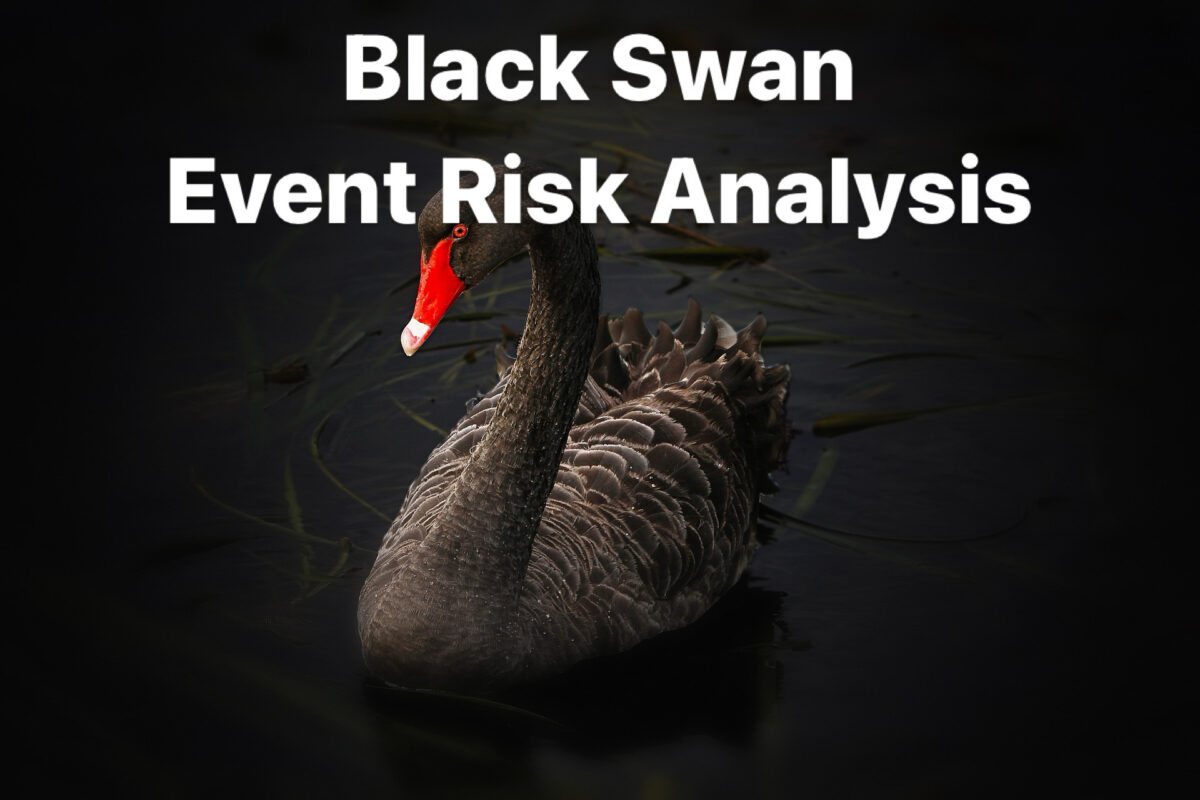
Is Your Business Ready for the Next Black Swan Event?
Business leaders, how are you preparing for the unpredictable? A Black Swan event can disrupt industries overnight. Share your strategies and let’s discuss the unthinkable scenarios that could redefine risk management. Are you ready?
Find the best risk expert for your country or industry with BusinessRiskTV.com
Business Experts Network
ExpertsHub of risk management experts. Business experts network. Risk Experts Hub. Take more balanced risks to achieve more with risk experts to help you. Avoid taking risks blindly and letting risk events occur in the risk knowledge gap. Connect with risk management experts online.
Create greater business value with more confidence.
BusinessRiskTV
Our global experts can help you online and our local risk experts can come and visit you. Look to the future with our risk experts. Put in place the controls to mitigate threats. Seize new business development opportunities paying greatest return.
Email editor@businessrisktv.com to find help from experts around the globe or CLICK HERE. Enter code #RiskExperts
Join the discussion with our risk experts online for free
Assess your key risks and make better business decisions more often. Ask for help or share better business solutions. Connect in our business experts network to improve your business performance.
Subscribe to BusinessRiskTV for free alerts bulletins and risk reviews from risk experts to your inbox
Risk identification and assessment with BusinessRiskTV.com
You cannot change what happened but you can learn from it. However dwelling on past mistakes is not productive.
Mitigate negative impact of risk event and secure any benefits from risk event. Good can often come out of bad.
Learn lessons from risk events and move on quickly
Do not dwell on risk event impact as constantly punishing people from mistakes of past can be very demoralising and negatively impact on future business performance.
After the risk event make sure your risk management plan for future seeks to ensure it does not happen again but do not over do the risk controls. Reflecting on the lessons from the risk event facts is important but do not let emotions and pain of risk event change the risk perception of future likelihood of recurrence especially after some additional risk controls adopted maintained and reviewed.
How to manage risk in business with BusinessRiskTV.com
Strategic Operational and Project Business Risk Analysis Tips Reviews Workshops
BusinessRiskTV business risk analysis helps business leaders to manage business risks better. Industry risk analysis and country risk analysis to help you make business decisions. Risk analysis of a company for business leaders in UK and overseas. Do you know what to do to protect your business and grow it faster? Understand the importance of business risk analysis in improving your business performance. Inform your business management decisions.
Making strategic operational and project decisions easier and quicker. Have more confidence in your business survival and prosperity with better business risk analysis.
BusinessRiskTV
Connect with top risk management experts and business leaders. Improve your risk management knowledge and business intelligence. Develop risk management skills.
Risk analysis of a company in decision making is key to reduce uncertainty impacting on your business objectives. Risk analysis of a company risk profile can better utilise business assets. Reviewing corporate and economic risks to help inform business decision making process. Identifying and understanding enterprise risks associated with managing a business or enterprise better. Analysing the potential issues and uncertainty impacting on business objectives.
Subscribe to BusinessRiskTV Business Risk Analysis
Get help to define the risk factors affecting your business decision making process. Identify new risk management measures to reduce business threats and increase business opportunities.
Subscribe to BusinessRiskTV Business Risk Analysis and enter code #BusinessRiskAnalysis
Promote and market your business risk analysis related business on BusinessRiskTV for 12 months
Put your products or services for risk analysis of a company in front of new people already interested in your type of business offering before your competitors do.
Find out how to promote your business locally and globally. CLICK HERE or email editor@businessrisktv.com entering code #BusinessRiskAnalysisMarketing
Increase the sources of your revenue streams more sustainably. Grow your business faster with BusinessRiskTV.
Understand your business risks with enterprise risk analysis on BusinessRiskTV for your country or industry
Looking back at past mistakes to make future better
In order to move forward we must look back. If we want to create a better future for our businesses we need to learn the lessons from the mistakes of the past.
BusinessRiskTV : the business and economy headlines, the risk analysis, the risk management debates – sent direct to your mobile device, PC or TV
Sometimes you have to look back to move forward
Nobody wants to make mistakes. Where they have been made we should not repeat them
Achieve what we want from business decisions quicker and easier
Reduce risk of duplicating past mistakes by learning the lessons
Benefit from others mistakes as well as your own mistakes
Learn how to use past mistakes to make business better. Undertake risk reviews to check what went wrong and why. Develop real risk insight to build your business intelligence.
Often we learn more from failure than success. Ultimate business performance can be higher after lessons learnt. Not reviewing risk management errors condemns you to repeating them.
Transform your business on back of past mistakes. Your past mistakes can be the foundation of your future success. However do not dwell on past mistakes. Learn lessons move on but do not keep picking wounds.
Step into your future by looking back at past mistakes
BusinessRiskTV
Collaborate with business leaders around world. Learn lessons from their mistakes and from businesses not in the collaboration. Review business mistakes so we do not suffer same fate.