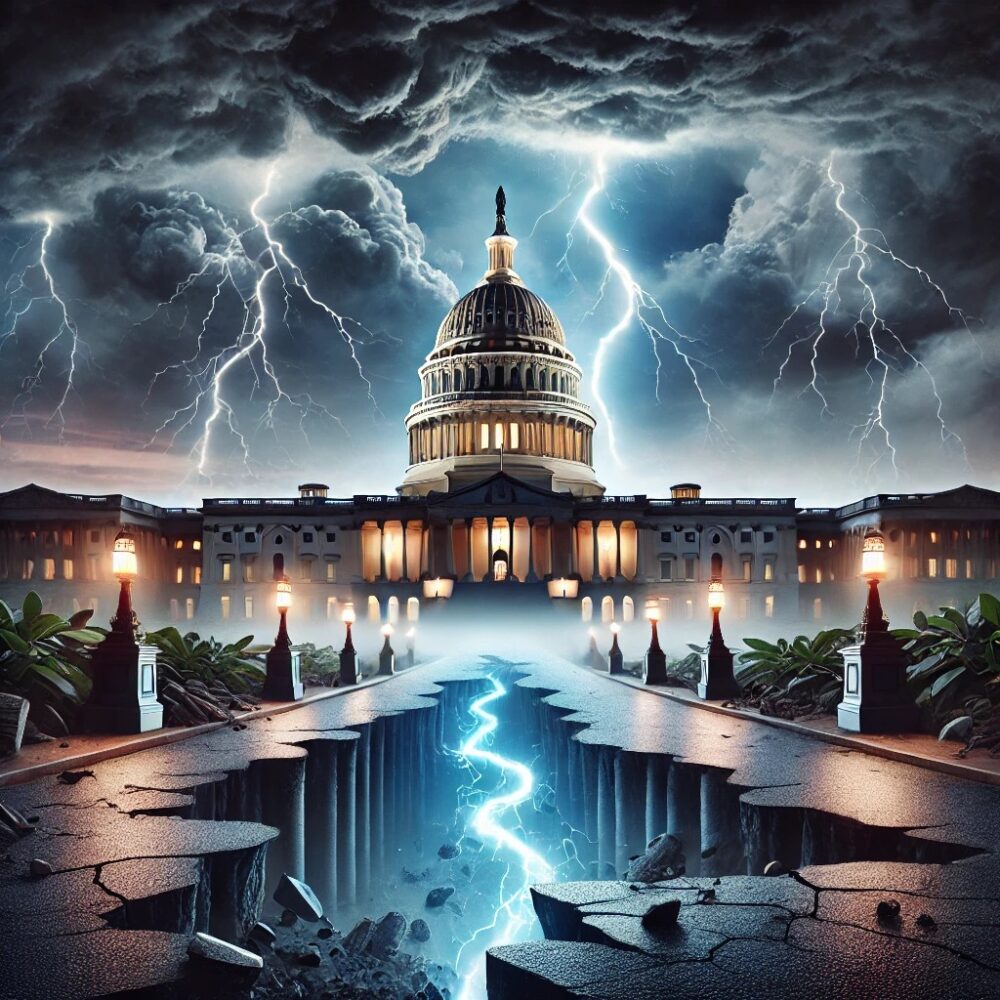
The Great Bond Re-Pricing: Will U.S. Energy Exports Save the Treasury?
The global financial landscape in April 2026 is defined by a paradoxical “Energy-Debt Loop.” As Asian nations continue to reduce their holdings of U.S. Treasury bonds, the escalating conflict between Iran and Israel—and the subsequent blockade of the Strait of Hormuz—has introduced a controversial new mechanic into global risk management: the potential for U.S. energy dominance to forcibly re-finance its own debt.
Is the Dumping of U.S. Treasuries by Asian Nations a Permanent Shift?
The dumping of U.S. Treasury bonds by major Asian economies represents a strategic diversification away from dollar-denominated debt that is structurally raising global interest rates. As of early 2026, China’s holdings have hit a 15-year low, dipping toward $640 billion, while Japan has selectively sold off reserves to defend the Yen. This lack of “price-insensitive” buyers means Treasury prices must fall to attract new investors, which automatically pushes yields higher.
For businesses, this “bond tantrum” means the floor for all global lending has moved. High street banks, seeing the risk-free rate of return rise, are forced to increase margins on business loans, equipment financing, and commercial mortgages to remain profitable.
Does the Strait of Hormuz Blockade Secretly Increase Demand for U.S. Treasuries?
The blocking of the Strait of Hormuz oil and gas routes may actually increase demand for U.S. Treasuries because Europe and Asia must now pivot to U.S.-sourced energy, paid for in Dollars which are then recycled into U.S. debt.With 20% of global oil and LNG currently trapped behind the blockade, nations like Germany, Japan, and South Korea are forced to sign massive supply contracts with U.S. energy firms.
This creates a “Petrodollar 2.0” effect:
-
Forced Dollar Demand: Foreign nations must acquire USD to pay for U.S. shale oil and gas.
-
Debt Financing: The U.S. government can leverage this surge in dollar demand to sell more Treasuries, effectively financing the $38.6 trillion “debt mountain” at the expense of global consumers.
-
Consumer Impact: While this supports the U.S. Treasury market, it creates a “Double Tax” for global businesses—high energy prices at the pump and high interest rates at the bank.
Why Have UK Gilt Yields Surpassed 5.0% and How Does it Affect Your Lending?
UK Gilt yields have surged past 5.0% for the first time in nearly two decades, signalling that the era of “cheap money” is officially over for the foreseeable future. In March 2026, the 10-year Gilt yield hit 5.11%, driven by the Middle East energy shock and a “material about-turn” in Bank of England policy.
“When government bond yields break the 5% barrier, the ripple effect through high street bank lending is instantaneous and unforgiving,” notes a lead strategist at the Business Risk Management Club.
For business leaders, this means:
-
Refinancing Risk: Debt maturing in 2026 is being rolled over at rates 300-400 basis points higher than three years ago.
-
Margin Compression: Higher interest expenses are eating into net profits faster than most businesses can raise prices.
-
Currency Risk: The volatility in bond yields is causing 2-3% daily swings in major currency pairs, making international trade a gamble.
12 Risk Management Actions to Protect Your Business Today
In a world of 5% yields and $140 oil, business as usual is a recipe for failure. Implement these actions now:
-
Hedge Energy Costs: Lock in fuel and power surcharges with suppliers or use energy derivatives to cap your exposure.
-
Fix Debt Immediately: If you have variable-rate loans, convert them to fixed-rate products before the next central bank hike.
-
Optimise Working Capital: Tighten credit terms for customers (e.g., move from Net-30 to Net-15) to reduce your reliance on expensive bank credit.
-
Audit “Hormuz Vulnerability”: Map your supply chain to identify any tier-2 or tier-3 suppliers reliant on Persian Gulf transit.
-
Diversify Into Gold: With Gold testing $4,800/oz, use it as a non-correlated hedge against a potential “Debt Mountain” collapse.
-
Implement Currency Buffers: Maintain “Natural Hedges” by matching the currency of your revenue with the currency of your expenses where possible.
-
Stress Test for 6% Yields: Model your business’s debt-service coverage ratio (DSCR) if Gilt or Treasury yields rise another 1%.
-
Switch to “Just-in-Case” Inventory: The cost of holding stock is high, but the cost of a stock-out due to maritime blockades is terminal.
-
Leverage Tokenised Payments: Explore blockchain-based cross-border settlements to avoid the 3-5 day “float” taken by traditional banks.
-
Negotiate “Energy Clauses”: Update client contracts to include automated price adjustments based on Brent Crude benchmarks.
-
Onshore Manufacturing: Reduce the “Geopolitical Distance” of your products to insulate against shipping volatility.
-
Join a Risk Intelligence Network: Actively participate in the Business Risk Management Club to access real-time data.
Join the Business Risk Management Club at BusinessRiskTV
BusinessRiskTV is the global leader in providing proactive intelligence for an unpredictable world. The Business Risk Management Club offers the tools to turn these global threats into a competitive advantage.
-
15% Loss Reduction: Members report significantly lower operational losses by using our peer-verified risk mitigation blueprints.
-
Real-Time Alerts: Get notified of bond yield breakouts and geopolitical “choke point” shifts 48 hours before the mainstream media.
-
Zero-Cost Entry: Basic membership is FREE, providing instant access to a global network of risk professionals.
#BusinessRisk #BondMarket2026 #EnergySecurity #BusinessRiskTV #RiskManagement
Get help to protect and grow your business faster with BusinessRiskTV
Find out more about how to grow your business faster with BusinessRiskTV
Subscribe for free business risk management ideas risk reviews and cost reduction tips
Connect with BusinessRiskTV for free business risk management tips
Read more business risk management articles and view videos for free
Connect with BusinessRiskTV for free alerts to new business risk management articles and videos
The U.S. is financing its debt with YOUR energy bill. ⛽️💳
Think the Strait of Hormuz blockade is just about “expensive gas”? Think bigger.
The global bond market is undergoing a “Great Re-Pricing,” and the logic is brutal. As Asian countries dump U.S. Treasuries, the U.S. is finding a new way to keep its “Debt Mountain” standing—at your expense.
The 2026 Power Play:
By blocking Middle Eastern oil, the world is forced to buy U.S. energy. That demand for U.S. Dollars allows the U.S. to finance its own debt while UK Gilt yields soar past 5.0% for the first time in a generation.
What this means for your business today:
The Bank Squeeze: High street lending rates are tethered to these yields. Your next loan renewal will be the most expensive in your company’s history.
The Imported Inflation: Even if you don’t trade in the U.S., the “Safety Strength” of the Dollar is crushing local currencies and driving up the cost of everything.
The Refinancing Wall: Millions of businesses are about to hit a wall of high-interest debt they simply can’t afford.
Don’t be a statistic. We’ve just released the definitive risk analysis on BusinessRiskTV with 12 immediate actions you can take to insulate your margins from the 5% yield reality.
Stop reacting. Start managing.
#BusinessRisk #BondMarket2026 #EnergySecurity #BusinessRiskTV #RiskManagement
Hormuz Blockade & The Bond Market Sell-off: 2026 Business Risk Analysis