Risk Less, Grow More: Business Risk Management for Growth

Can better business risk management help your company grow? Discover how strategic foresight, risk intelligence and holistic enterprise risk management help business leaders anticipate threats, make better decisions and identify new commercial opportunities.

Discover how business risk management, strategic foresight and enterprise risk management help businesses anticipate threats, improve resilience and identify growth opportunities.

Risk Less, Grow More: How Better Business Risk Management Creates Growth Opportunities

BusinessRiskTV – Helping Businesses Anticipate Risk, Make Better Decisions and Accelerate Growth.

What if better business risk management could do more than protect your company from failure? What if it could help you identify new opportunities, make better strategic decisions and grow faster than competitors who only react when problems arise?

Many businesses treat risk management as a defensive activity: something required for compliance, insurance, financial reporting or regulatory purposes. But effective business risk management should be much more than that.

It should help business leaders anticipate uncertainty, challenge assumptions, identify emerging threats and recognise opportunities before they become obvious to everyone else.

From financial pressures and operational disruption to cybersecurity, artificial intelligence, supply chain vulnerability and changing market conditions, businesses face an increasingly complex risk environment.

The organisations best positioned to succeed are those that understand the relationship between risk, opportunity, strategy and growth.

BusinessRiskTV believes that better risk intelligence, strategic foresight and holistic enterprise risk management can help businesses become more resilient, make smarter decisions and accelerate sustainable growth.

Why Is Business Risk Management Essential for Growth?

Business risk management is essential for growth because it helps organisations understand what could prevent them from achieving their objectives, allocate resources more effectively and make better-informed commercial decisions.

Growth creates opportunities, but it also introduces new risks.

Expanding into new markets, employing additional staff, launching products, taking on debt, investing in technology or entering new supplier relationships can all increase a company’s exposure to uncertainty.

Without an effective approach to identifying and managing these risks, businesses can find themselves growing faster than their ability to manage the consequences.

Consider some common examples:

  • Financial risk: Rising borrowing costs, cash flow pressures, customer defaults and excessive debt can undermine expansion plans.
  • Operational risk: Poor processes, inadequate controls, equipment failures and insufficient capacity can disrupt delivery.
  • Strategic risk: Competitors, changing customer behaviour and poor investment decisions can undermine long-term objectives.
  • Cybersecurity risk: Data breaches, ransomware and technology vulnerabilities can damage operations and customer confidence.
  • Supply chain risk: Dependence on individual suppliers, transport networks or critical infrastructure can create unexpected disruption.
  • People risk: Skills shortages, leadership failures and employee retention problems can restrict business performance.
  • Regulatory risk: Changes in legislation, compliance requirements and industry standards can create additional costs and obligations.

The important point is that risks are interconnected.

A financial problem can become an operational problem. An operational failure can damage customer relationships. A cyberattack can create financial, legal and reputational consequences.

Business leaders therefore need to look beyond individual risk registers and understand how different risks interact.

Risk management should support business objectives

An effective risk management strategy starts with understanding what the organisation wants to achieve.

For example:

  • If the objective is faster growth, identify the financial, operational and market risks associated with expansion.
  • If the objective is increased profitability, examine pricing, costs, productivity and customer concentration.
  • If the objective is international expansion, consider political, currency, regulatory and supply chain exposure.
  • If the objective is digital transformation, assess technology, cybersecurity, data and implementation risks.

This makes risk management relevant to everyday commercial decisions rather than simply an administrative exercise.

The difference between avoiding risk and managing risk

Successful businesses cannot eliminate uncertainty.

Taking no risks can be just as damaging as taking excessive risks. Organisations that refuse to innovate, invest or adapt may gradually lose their competitive position.

The objective should be to understand which risks are worth taking, which require mitigation and which should be avoided.

The best businesses do not necessarily take fewer risks. They make better-informed decisions about the risks they take.

How Can Businesses Identify Risks Before They Become Problems?

Businesses can identify risks before they become problems by combining systematic risk assessments, financial and operational monitoring, employee insight, external intelligence and forward-looking scenario analysis.

Waiting until a problem becomes visible is often too late.

A supplier failure, loss of a major customer, sudden increase in borrowing costs or technology disruption may have been developing for months before its full consequences become apparent.

The challenge is to identify warning signals early enough to take action.

1. Understand the business environment

Start by examining the internal and external factors that could influence business objectives.

Internal considerations include:

  • Cash flow and financial performance.
  • Operational capacity and processes.
  • Employee skills and management capability.
  • Technology and information security.
  • Customer concentration and supplier dependencies.
  • Business continuity arrangements.

External considerations include:

  • Economic conditions and interest rates.
  • Competitor behaviour.
  • Changing customer expectations.
  • Government policy and regulation.
  • Geopolitical developments.
  • Technology and artificial intelligence.
  • Climate, energy and infrastructure disruption.

A business cannot control every external development, but it can improve its understanding of potential consequences.

2. Identify early warning indicators

Risk identification becomes more effective when organisations monitor indicators that suggest a threat may be developing.

Examples include:

  • Deteriorating cash flow and increasing debtor days.
  • Falling customer retention.
  • Increasing supplier delivery delays.
  • Higher employee turnover.
  • Rising insurance premiums.
  • Increasing cyber incidents.
  • Declining product margins.
  • Growing customer complaints.
  • Greater dependence on a small number of customers or suppliers.

These indicators can provide management with opportunities to investigate problems before they become serious.

3. Encourage employees to identify risks

People working within an organisation often recognise emerging problems before senior management becomes aware of them.

Employees may identify inefficient processes, unrealistic targets, equipment weaknesses, customer dissatisfaction or unsafe working practices.

Businesses should create an environment where employees can raise concerns without fear of blame.

Risk management should not belong exclusively to the risk department or senior management team.

4. Challenge existing assumptions

One of the biggest weaknesses in business risk management is assuming that yesterday’s conditions will continue tomorrow.

Ask questions such as:

  • What happens if our biggest customer leaves?
  • What if our main supplier cannot deliver?
  • What if borrowing costs increase?
  • What if our key technology becomes unavailable?
  • What if a competitor introduces a significantly better product?
  • What if our current business model becomes less profitable?

These questions encourage management teams to think beyond routine forecasts.

5. Use scenario planning

Scenario planning allows businesses to explore how different future developments could affect their objectives.

For example, a business might examine:

  • A favourable economic recovery.
  • A prolonged period of weak consumer demand.
  • A major supply chain disruption.
  • A significant cybersecurity incident.
  • Rapid adoption of disruptive technology.

The purpose is not to predict the future with certainty.

It is to understand possible outcomes, test preparedness and identify actions that could improve the organisation’s position.

Early risk identification gives businesses more time, more choices and greater control over their response.

Can Strategic Foresight Create a Competitive Advantage?

Yes. Strategic foresight can create a competitive advantage by helping businesses recognise emerging developments, anticipate potential changes and prepare for opportunities before competitors respond.

Traditional business planning often concentrates on forecasts, budgets and expected market conditions.

Strategic foresight goes further.

It examines how the business environment might change and what those changes could mean for the organisation.

This is particularly important in an environment influenced by artificial intelligence, technological disruption, economic uncertainty, geopolitical developments and changing customer expectations.

What is strategic foresight?

Strategic foresight is the structured exploration of possible future developments to help organisations make better decisions today.

It does not claim to predict exactly what will happen.

Instead, it encourages business leaders to consider multiple possible futures, challenge assumptions and prepare for developments that could affect their strategy.

Five ways strategic foresight can improve business performance

1. Identify emerging markets

Changes in technology, consumer behaviour and regulation can create new commercial opportunities.

Businesses that identify these developments early may be better positioned to develop products, services and partnerships.

2. Recognise competitive threats

A new competitor, disruptive technology or changing customer preference can challenge an established business model.

Strategic foresight helps organisations examine these threats before their commercial impact becomes significant.

3. Improve investment decisions

Major investments should consider more than immediate financial returns.

Businesses should examine how future market conditions, technology developments and regulatory changes could affect the investment over time.

4. Prepare for economic uncertainty

Businesses can test their strategies against different economic scenarios, including higher interest rates, inflation, weak demand and restricted access to finance.

5. Develop organisational adaptability

Companies that regularly challenge their assumptions and review emerging developments can become more adaptable when circumstances change.

Why businesses should look beyond traditional forecasting

Forecasting usually extrapolates expected developments from available data and assumptions.

This is useful, but it can become unreliable when conditions change significantly.

Strategic foresight encourages management teams to ask:

  • What could change our industry?
  • Which assumptions might become invalid?
  • What opportunities are competitors overlooking?
  • What developments could threaten our business model?
  • What should we start doing today to prepare for tomorrow?

The organisations that ask better questions may be better prepared to recognise opportunities.

Strategic foresight turns uncertainty into something businesses can investigate, prepare for and potentially benefit from.

How Does Enterprise Risk Management Improve Business Resilience?

Enterprise risk management (ERM) improves business resilience by providing an organisation-wide approach to understanding, assessing and managing risks that could affect its strategic objectives and operational performance.

Traditional risk management can become fragmented.

Finance manages financial risks, IT manages technology risks, operations manages operational risks and compliance manages regulatory risks.

Each department may be performing its responsibilities correctly, yet the organisation can still overlook the relationships between different risks.

This is where holistic enterprise risk management becomes important.

What is holistic enterprise risk management?

Holistic ERM considers the organisation as a connected system rather than a collection of separate departments and individual risk registers.

It encourages management to understand how risks interact and how decisions in one area can affect the wider business.

For example, reducing operational costs might appear financially beneficial.

However, if the decision results in inadequate maintenance, insufficient staffing or reduced quality control, it could increase operational, customer, reputational and financial exposure.

A holistic approach examines the wider consequences before decisions are made.

Five ways ERM can strengthen business resilience

1. Better visibility of organisational risks

ERM helps management understand the major risks affecting the entire organisation rather than relying solely on departmental reporting.

2. Improved resource allocation

Management can prioritise resources towards the risks that matter most to strategic objectives.

3. Stronger business continuity

Understanding critical processes, dependencies and vulnerabilities helps organisations prepare for disruption and improve recovery arrangements.

4. Better governance and accountability

Clear responsibilities help ensure that risks are identified, escalated, monitored and addressed.

5. More informed strategic decisions

Risk information becomes part of investment, expansion, acquisition and operational decisions.

Move from piecemeal risk management to holistic ERM

A piecemeal approach can leave significant gaps between departments.

A holistic ERM approach connects financial, strategic, operational, technological, people and external risks.

The objective is to create a shared understanding of risk across the organisation.

This requires leadership commitment, appropriate governance, reliable information and an organisational culture where people understand their role in managing risk.

Businesses can use established frameworks such as ISO 31000 and the COSO Enterprise Risk Management framework to inform their approach.

However, adopting a framework is not the same as achieving effective enterprise risk management.

The real test is whether risk information improves decisions and helps the organisation achieve its objectives.

Resilience is not simply the ability to survive disruption. It is the ability to anticipate, adapt, respond and continue creating value when circumstances change.

How Can Business Leaders Turn Risk Intelligence Into Growth?

Business leaders can turn risk intelligence into growth by using information about threats, opportunities and changing conditions to improve investment decisions, identify new markets, strengthen operations and develop more effective strategies.

Risk intelligence should not end with a report or a risk register.

It should influence what the organisation does next.

The commercial value comes from translating information into decisions and decisions into action.

1. Identify opportunities hidden within risks

A developing risk can sometimes reveal an opportunity.

For example:

  • Supply chain disruption can create opportunities for alternative suppliers and local sourcing.
  • Cybersecurity threats can increase demand for specialist security services.
  • New regulation can create opportunities for businesses offering compliance solutions.
  • Changing customer expectations can create demand for new products.
  • Technology disruption can allow businesses to improve productivity and develop new business models.

The key is to examine both the downside and the potential upside of changing conditions.

2. Invest in the right opportunities

Risk intelligence can help management assess whether an investment is appropriate.

Before committing resources, examine:

  • Expected commercial returns.
  • Financial exposure.
  • Operational capability.
  • Market demand.
  • Competitor activity.
  • Technology requirements.
  • Regulatory considerations.
  • Potential alternative outcomes.

This can help organisations distinguish between attractive opportunities and investments carrying unacceptable exposure.

3. Improve strategic decision-making

Business leaders should bring risk information into regular management discussions.

Instead of asking only whether a project will achieve its financial targets, ask what could prevent success, what assumptions underpin the forecast and what changes would require management intervention.

This encourages better-informed decisions and earlier action.

4. Make risk ownership part of business culture

Risk management should not be treated as the responsibility of one individual or department.

Directors, managers and employees all have roles to play in identifying and addressing risks within their areas of responsibility.

A positive risk culture encourages people to challenge assumptions, raise concerns and communicate emerging developments.

5. Measure whether risk management creates value

Businesses should examine whether their risk management activities are improving organisational performance.

Useful indicators might include:

  • Reduced frequency or severity of operational disruptions.
  • Improved business continuity performance.
  • Better cash flow visibility.
  • Reduced customer and supplier concentration.
  • Faster identification of emerging threats.
  • Improved investment decisions.
  • Better achievement of strategic objectives.

The measures should reflect the organisation’s actual priorities rather than simply counting the number of risks recorded.

Risk intelligence should create commercial value

The purpose of risk intelligence is not to make business leaders more cautious about everything.

It is to help them understand uncertainty, make informed choices and recognise opportunities that might otherwise be overlooked.

Businesses that combine commercial ambition with strong risk intelligence can be better equipped to pursue sustainable growth.

Risk management is not just about protecting what you have. It is also about improving your ability to achieve what you want.

Risk Less. Grow More. Make Better Business Decisions With BusinessRiskTV.

BusinessRiskTV exists to help businesses understand risk, anticipate change, improve decision-making and identify opportunities for growth.

We believe that business risk management should be an integral part of strategy, not an isolated compliance exercise.

Whether you are a business owner, company director, consultant, risk professional or senior decision-maker, understanding the relationship between risk and opportunity can help you make better commercial decisions.

Explore BusinessRiskTV’s business-focused resources and communities:

  • Business Risk Management Club: Connect with resources and insights focused on improving business risk management.
  • Business Risk Academy: Explore professional development, risk management knowledge and practical learning.
  • Global Business Risk Network: Discover opportunities to engage with the wider business risk community.
  • Enterprise Risk Management Magazine: Explore ideas and developments in holistic enterprise risk management.
  • Risk Management Jobs Board: Discover specialist career and recruitment opportunities.
  • BusinessRiskTV: Follow business risk intelligence, strategic foresight and commercial developments.

Want to Improve Your Business Risk Intelligence?

Don’t wait until a developing threat becomes an expensive business problem.

Start identifying risks earlier, challenging assumptions and making better-informed decisions.

RISK LESS. GROW MORE.

Subscribe to BusinessRiskTV and explore the Business Risk Management Club.

Website: https://businessrisktv.com/

Email: editor@businessrisktv.com

Get help to protect and grow your business with BusinessRiskTV

BusinessRiskTV: Access to business owners, directors, senior executives, risk professionals and decision-makers.

We connect businesses with valuable audiences, helping advertisers generate awareness, enquiries, customers and growth.

Find out more about growing your business faster with BusinessRiskTV 

Subscribe for free business risk management ideas risk reviews and cost of doing business reduction tips

Connect with BusinessRiskTV for free business risk management tips

Read more business risk management articles and view videos for free

Connect with BusinessRiskTV for free alerts to new business risk management articles and videos 

RISK LESS GROW MORE

BusinessRiskTV – Helping Businesses Anticipate Risk, Make Better Decisions and Accelerate Growth

What if the biggest threat to your business growth isn’t your competition – but the risks you haven’t identified yet?

Businesses don’t fail simply because they lack ambition. They can fail because they overlook financial, operational, strategic and emerging risks.

BusinessRiskTV helps business leaders think differently.

  • Identify threats before they become expensive problems.
  • Improve business resilience and decision-making.
  • Discover opportunities competitors might overlook.
  • Turn risk intelligence into a competitive advantage.
  • Build stronger foundations for sustainable growth.

Risk management shouldn’t just protect your business. It should help you grow it.

Don’t just manage today’s problems. Anticipate tomorrow’s opportunities.

Take the next step: Subscribe to BusinessRiskTV and explore the Business Risk Management Club, Risk Academy and Global Business Risk Network.

#BusinessRisk #BusinessGrowth #BusinessRiskTV #RiskManagement #EnterpriseRiskManagement

Subscribe BusinessRiskTV. Helping Businesses Anticipate Risk, Make Better Decisions and Accelerate Growth.

Risk Less, Grow More: Business Risk Management for Growth
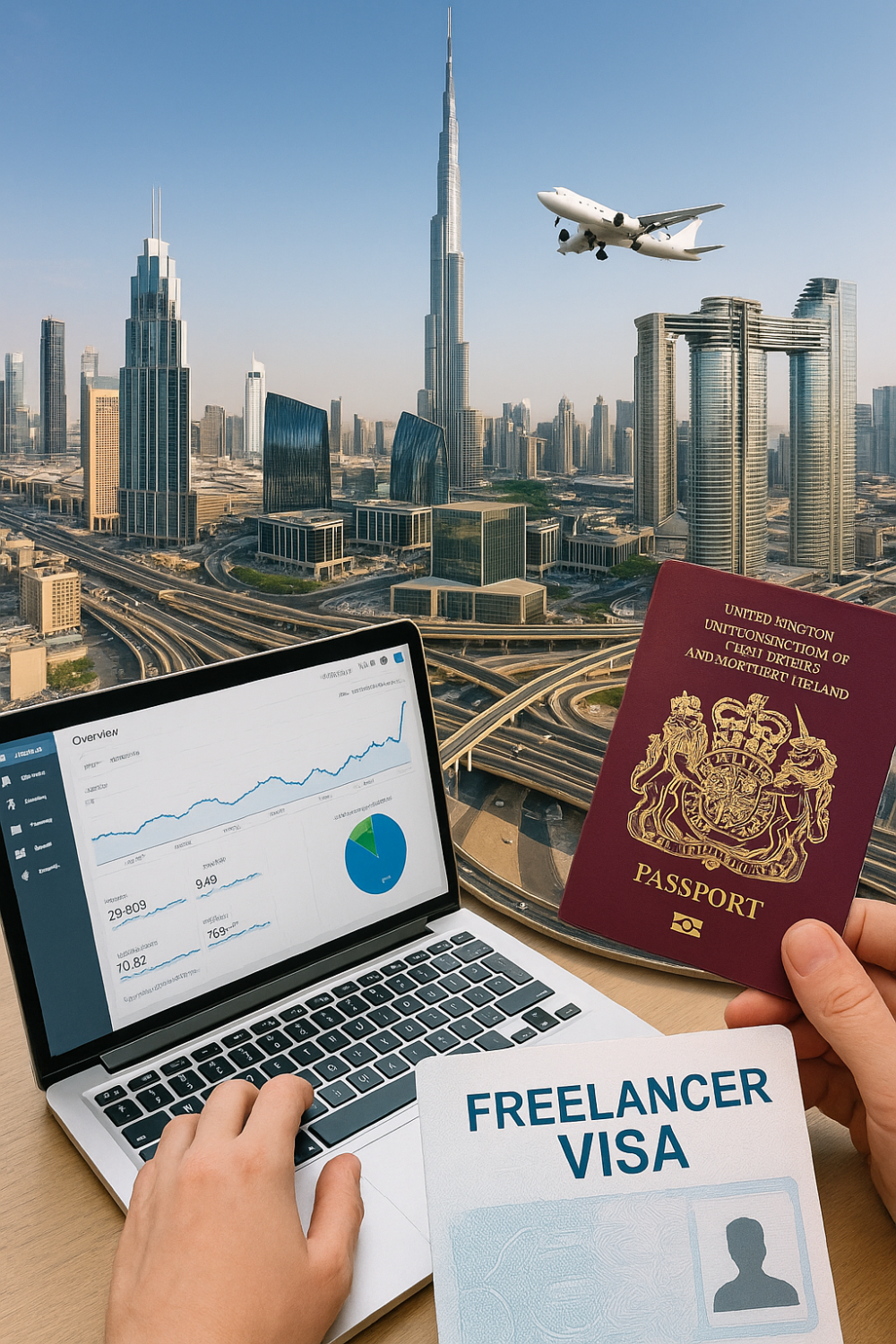
UK residents apply for Dubai freelancer visa online business

Dubai Freelancer Visa for the purpose of operating an online business

Escape the Ordinary, Embrace Dubai: Your Blueprint for UK Residents to Launch an Online Empire and Secure Residency Through the Freelancer Visa!

Feeling the squeeze of the UK economy? Tired of the same old routine? What if I told you there’s a vibrant, opportunity-rich landscape beckoning, where you can not only build a thriving online business but also secure residency? That’s the allure of Dubai’s Freelancer Visa, a golden ticket for ambitious UK residents looking to redefine their professional and personal lives in 2025! Imagine waking up to sunshine, operating your global online venture from a dynamic hub, and benefiting from a pro-business environment. Sounds enticing, right?

For savvy UK entrepreneurs and freelancers, this isn’t just a pipe dream; it’s an increasingly viable pathway. Dubai has strategically positioned itself as a global nexus for innovation and commerce, actively attracting international talent and investment. One of the key instruments in this strategy is its dedicated Freelancer Visa programme, specifically designed to empower independent professionals and online business owners. This isn’t about escaping your responsibilities; it’s about strategically positioning yourself for greater success and a higher quality of life. Think about it: a burgeoning digital economy, attractive tax policies within designated free zones, and a cosmopolitan lifestyle – all within reach.

This comprehensive guide will navigate you through the intricacies of leveraging Dubai’s Freelancer Visa to establish and scale your online business while securing residency. We’ll delve into the “why,” the “what,” the “where,” the “when,” and the “how” of this exciting opportunity. Get ready to unlock a world of possibilities and take control of your future!

Why Dubai’s Freelancer Visa is a Smart Move for UK Residents in 2025

Several compelling factors make Dubai’s Freelancer Visa an increasingly attractive option for UK residents looking to establish or grow their online businesses and gain residency:

1. Thriving Digital Economy and Business-Friendly Environment: Dubai has made significant strides in fostering a robust digital infrastructure and a pro-business ecosystem. The government actively supports innovation, technology adoption, and entrepreneurship. This creates a fertile ground for online businesses to flourish, offering access to a dynamic market and a global network of professionals. The sheer energy and ambition palpable in Dubai can be incredibly motivating for entrepreneurs seeking growth.

2. Strategic Location and Global Connectivity: Situated at the crossroads of East and West, Dubai offers unparalleled access to global markets. Its world-class transportation infrastructure, including a major international airport and efficient logistics networks, facilitates seamless international business operations. For online businesses with a global reach, this strategic positioning can be a significant advantage, allowing for easier interaction with clients and partners across different time zones.

3. Attractive Tax Policies within Free Zones: One of the most significant draws for entrepreneurs is the favourable tax environment within Dubai’s designated free zones. Many of these zones offer 0% corporate and personal income tax, which can substantially boost profitability for your online business. This financial advantage allows for greater reinvestment and faster growth compared to higher-tax jurisdictions. Imagine the impact of zero income tax on your bottom line!

4. High Quality of Life and Cosmopolitan Environment: Dubai offers a high standard of living with modern infrastructure, world-class amenities, and a diverse and vibrant social scene. The city boasts excellent healthcare, education, and recreational facilities. For UK residents seeking a change of pace and a more cosmopolitan environment, Dubai provides a compelling lifestyle proposition. Plus, the year-round sunshine is a definite bonus!

5. Opportunity for Residency and Long-Term Stability: Unlike short-term business visas, the Freelancer Visa in Dubai offers a pathway to long-term residency, providing stability and a sense of belonging. This can be particularly appealing for individuals looking to build a long-term future for themselves and their families in a dynamic and growing international hub. Securing residency opens up numerous personal and professional opportunities.

6. Access to a Diverse Talent Pool: Dubai attracts a highly skilled and diverse international talent pool. This can be a significant advantage for online businesses looking to scale and build a strong team. The multicultural environment fosters innovation and provides access to a wide range of expertise.

7. Government Support for SMEs and Startups: The Dubai government actively supports small and medium-sized enterprises (SMEs) and startups through various initiatives, funding programmes, and incubation centres. This supportive ecosystem can provide valuable resources and networking opportunities for newly established online businesses.

Eligible Online Businesses for the Dubai Freelancer Visa

The Dubai Freelancer Visa is designed to attract a wide range of skilled professionals operating online. While specific regulations may evolve, here are some common categories of online businesses and freelance professions generally eligible for this visa:

Digital Marketing and Content Creation:

IT and Technology:

  • Web Development and Design: Building and maintaining websites and web applications.
  • Software Development: Creating and maintaining software applications.
  • Mobile App Development: Developing applications for smartphones and tablets.
  • Data Analysis and Science: Analysing data to provide insights and support decision-making.
  • Cybersecurity Consulting: Providing expertise in protecting digital assets and systems.
  • Cloud Computing Services: Managing and supporting cloud-based infrastructure and applications.

Consulting and Business Services:

Education and Training (Online Delivery):

Creative Professions:

  • Photography and Videography (Online Sales/Services): Selling stock photos/videos or offering remote editing services.
  • Music Composition and Production (Online Licensing/Sales): Creating and licensing music online.
  • Fashion Design (Online Sales/Consulting): Selling designs online or offering remote styling advice.
  • Illustration and Animation (Online Commissions/Sales): Creating and selling digital artwork and animations.

Important Note: This list is not exhaustive, and the specific eligibility criteria can be subject to change based on the free zone authority and the prevailing regulations. It is crucial to consult with the relevant free zone authority or a professional consultancy to confirm the eligibility of your specific online business activity.

Navigating Dubai’s Free Business Zones: Your Launchpad for Success

Dubai boasts several designated free zones, each with its own specific focus and regulations. These zones offer attractive incentives, including tax exemptions, full foreign ownership, and streamlined business setup processes. Here are some of the prominent free zones that are particularly relevant for online businesses and freelancers:

1. Dubai Multi Commodities Centre (DMCC): Located in the Jumeirah Lakes Towers (JLT) area, DMCC is one of Dubai’s largest and most diverse free zones. It’s home to a wide range of businesses, including those in technology, trading, and professional services. DMCC offers a dedicated “Freelancer Package” designed to provide cost-effective business setup and licensing options for individual professionals. Their online portal and efficient processes make it a popular choice.

2. Dubai Internet City (DIC): As the name suggests, DIC is a hub for technology and internet-based companies. It hosts a large ecosystem of IT, software, e-commerce, and digital media businesses. While traditionally focused on larger companies, DIC also offers options for freelancers and smaller online ventures within its broader framework. Being part of this vibrant tech community can offer significant networking and collaboration opportunities.

3. Dubai Media City (DMC): DMC is the region’s leading hub for media and creative industries. It’s home to numerous media companies, advertising agencies, production houses, and freelance professionals in content creation, journalism, and digital media. If your online business aligns with these sectors, DMC can provide a supportive and industry-focused environment.

4. Dubai Knowledge Park (DKP): DKP is dedicated to human resource management, training, and professional development. While it might seem less directly relevant to all online businesses, it can be a good option for online educators, trainers, and e-learning content creators.

5. Meydan Free Zone: Located near the Meydan Racecourse, this free zone offers a cost-effective and relatively straightforward business setup process, including options suitable for freelancers and online businesses. It’s known for its competitive pricing and efficient services.

6. IFZA (International Free Zone Authority): IFZA is another popular choice offering competitive setup costs and a wide range of business activities suitable for online operations. They have streamlined processes and cater to international entrepreneurs.

Key Considerations When Choosing a Free Zone:

  • Business Activity Alignment: Ensure the free zone allows your specific online business activity under its licensing regulations.
  • Cost of Setup and Renewal: Compare the fees associated with registration, licensing, and annual renewal across different free zones.
  • Facilities and Support Services: Consider the availability of co-working spaces, business centres, and other support services you might need.
  • Networking Opportunities: Some free zones have stronger industry-specific communities, which can be beneficial for networking and collaboration.
  • Visa and Immigration Procedures: Understand the specific visa and immigration processes associated with each free zone.

It is highly recommended to research the specific offerings and regulations of each free zone thoroughly and potentially consult with business setup specialists to determine the best fit for your individual needs and online business model.

Timing Your Application: When to Make the Move

Deciding when to apply for the Dubai Freelancer Visa is a crucial aspect of your planning. Several factors should influence your timeline:

1. Business Readiness: Ideally, you should have a clear business plan, a defined online service or product offering, and ideally, some existing online presence or client base. While you can start the process with a strong concept, being prepared will streamline your application and ensure you can hit the ground running in Dubai.

2. Financial Preparedness: Setting up a business and relocating involves costs. Ensure you have sufficient funds to cover visa application fees, business registration costs, initial living expenses in Dubai, and working capital for your online venture. Research the specific costs associated with your chosen free zone and desired lifestyle.

3. Visa Processing Time: The processing time for the Freelancer Visa can vary depending on the free zone and the volume of applications. It’s prudent to factor in potential delays and allow ample time before your intended relocation date. Generally, the process can take anywhere from a few weeks to a couple of months.

4. Personal Circumstances: Consider your personal commitments, such as existing employment contracts, family arrangements, and any other obligations that might impact your ability to relocate. Plan your move in a way that minimizes disruption to your life.

Can You Apply from the UK or on a Visitor Visa in Dubai?

Applying from the UK: Yes, it is generally possible to initiate the application process for a Dubai Freelancer Visa while you are still in the UK. Most free zones have online portals and allow you to complete the initial documentation and application remotely. However, you will likely need to travel to Dubai at some point to finalise the process, undergo medical examinations, and receive your residency visa.

Applying on a Visitor Visa in Dubai: Yes, it is also possible to apply for a Freelancer Visa while you are in Dubai on a visitor visa. This is a common route for individuals who want to explore the environment and meet with free zone authorities before committing. However, it’s crucial to ensure that your visitor visa allows for a change of status and that you comply with all immigration regulations. You will typically need to undergo the application process through the chosen free zone authority while in Dubai. Be aware of the validity period of your visitor visa and ensure you have enough time to complete the Freelancer Visa process. Overstaying your visitor visa can lead to penalties.

Recommendation: Regardless of whether you apply from the UK or on a visitor visa, it is highly recommended to contact the specific free zone authority you are interested in or consult with a business setup agency to get the most up-to-date information on their application procedures and requirements for non-resident applicants.

Who is Eligible to Apply for the Freelancer Visa?

While specific eligibility criteria can vary slightly between different free zones, the general requirements for a Dubai Freelancer Visa typically include:

  • Professional Expertise: You must possess demonstrable skills and experience in a profession or business activity that is eligible under the free zone’s regulations (as discussed earlier). You may need to provide a portfolio, client testimonials, or other evidence of your expertise.
  • Educational Qualifications: Some free zones may require a minimum level of educational qualification relevant to your field. Be prepared to provide copies of your degrees or certifications.
  • Financial Capacity: You will need to demonstrate that you have sufficient financial resources to support yourself during the initial period of your residency and to fund your business operations. This might involve providing bank statements or a business plan with financial projections.
  • Clean Criminal Record: You will typically need to provide a police clearance certificate from your home country (the UK in this case) to demonstrate that you have a clean criminal record.
  • Medical Fitness: You will be required to undergo a medical examination in Dubai to ensure you are medically fit to reside and work in the UAE.
  • Passport Validity: Your passport must have a sufficient validity period (usually at least six months) at the time of application.
  • Business License Application: You will need to apply for a freelancer or sole establishment business license within your chosen free zone, outlining your specific business activities.
  • Visa Application Forms and Supporting Documents: You will need to complete the required application forms and provide various supporting documents, such as passport copies, photographs, and other documents as requested by the free zone authority.

Important Note: The specific requirements and documentation can vary. It is essential to consult the official website of your chosen free zone or contact them directly for the most accurate and up-to-date eligibility criteria. They can provide a detailed list of required documents and guide you through the process.

Your Dubai Opportunity Awaits in 2025!

The Dubai Freelancer Visa presents a compelling opportunity for UK residents to not only establish and grow their online businesses in a dynamic and supportive environment but also to secure long-term residency in a thriving global hub. The combination of a business-friendly ecosystem, attractive tax policies within free zones, a high quality of life, and the potential for global connectivity makes Dubai an increasingly attractive destination for ambitious entrepreneurs and freelancers.

While the process involves careful planning, research, and adherence to specific regulations, the rewards can be significant. Imagine operating your online empire from a sun-drenched location, benefiting from a zero-tax environment, and immersing yourself in a vibrant international culture. This isn’t just about a visa; it’s about unlocking a new chapter of opportunity and growth for your business and your life.

So, if you’re a UK resident with a thriving online business or a compelling freelance offering, 2025 could be your year to take the leap. Explore the possibilities, research the free zones, prepare your application, and embrace the exciting journey of building your online empire and securing your future in Dubai! The time to escape the ordinary and embrace extraordinary opportunities is now!

Enterprise Risk Management Magazine articles with expert analysis on business growth and business protection
Come to Dubai Freelancers

Risk Management for Business Growth and Protection

Get help to protect and grow your business faster with BusinessRiskTV

Join community of professionals interested in how risk management supports business growth and business protection via expert analysis and risk management strategies 

BusinessRiskTV Business Risk Management Club Membership

Subscribe for free expert analysis and risk management strategies

Connect with us for free expert analysis and risk management strategies

Contact BusinessRiskTV

Read more risk management articles and view videos

Connect with us for free risk management articles and videos 

Enterprise Risk Management Magazine BusinessRiskTV ERM Magazine

BusinessRiskTV @RiskBusinessTV YouTube Channel

Crypto News

Dubai Business Magazine BusinessRiskTV Dubai Business Risk News

Read expert analysis of opportunities in Dubai:

  1. UK residents apply for Dubai freelancer visa online business

  2. How to get residency in Dubai as UK freelancer with online income

  3. Best dubai free zones for UK online business owners freelancer visa

  4. Dubai freelancer visa requirements for UK citizens applying in 2025

  5. Can UK freelancer get Dubai residency setting up online company

Relevant hashtags for this risk management strategy:

  1. #DubaiFreelancerVisaUK

  2. #DubaiResidencyForUK

  3. #OnlineBusinessDubai

  4. #WorkFromDubai

  5. #GlobalFreelancer

UK residents apply for Dubai freelancer visa online business

Business Risk Consulting Services

Empower your business to thrive in an uncertain world. Our comprehensive risk management services provide in-depth analysis, strategic planning, and actionable insights to safeguard your operations and achieve long-term success.

Business Risk Management Consulting: Protect Your Bottom Line

Navigate Complexity with Confidence: BusinessRiskTV.com Business Risk Consulting Services

Empower your business to thrive in today’s dynamic and uncertain environment with BusinessRiskTV.com’s Business Risk Consulting Services

Our team of seasoned professionals provides comprehensive solutions to identify, analyse, and mitigate potential threats to your success.

Why Choose Us?

  • Unparalleled Expertise: Benefit from the knowledge and experience of our Business Experts Hub and Risk Management Experts.
  • Tailored Solutions: We create customised risk management plans that address your unique business needs and goals.
  • Proactive Risk Identification: Our comprehensive approach ensures you uncover even the most hidden potential risks.
  • Data-Driven Insights: We leverage industry data and robust analytics to support our recommendations.

What You Gain:

  • Enhanced Decision-Making: Make strategic choices based on a clear understanding of potential risks and opportunities.
  • Increased Business Resilience: Develop a robust framework to withstand unforeseen challenges and disruptions.
  • Improved Operational Efficiency: Optimise your processes and minimise risk-related disruptions.
  • Reduced Operational Costs: Proactively mitigate risks and minimise the potential for financial losses.
  • Enhanced Brand Reputation: Demonstrate your commitment to risk management and build trust with stakeholders. Grow your business faster.

Don’t gamble with your business success! Partner with BusinessRiskTV.com’s Business Risk Consulting Services and gain the tools and expertise you need to navigate complexity with confidence. We’ll help you build a more secure and resilient future for your business.

Contact BusinessRiskTV

Contact Us

BusinessRiskTV.com: Your Partner in Mitigating Business Risks

In today’s rapidly evolving business landscape, navigating risk has become an integral part of success. Businesses of all sizes face a myriad of threats, from economic downturns and market fluctuations to cyberattacks and operational disruptions. To thrive in such a challenging environment, it is imperative to have a robust risk management strategy in place.

BusinessRiskTV.com offers comprehensive Business Risk Consulting Services designed to help businesses identify, assess, and mitigate potential risks. Our team of experienced professionals brings a wealth of knowledge and expertise to the table, providing tailored solutions that address the unique needs of each client.

Understanding Business Risk

Business risk refers to any uncertainty or threat that could negatively impact a company’s operations, financial performance, or reputation. It can arise from various sources, including:

  • Economic Factors: Market fluctuations, inflation, recession, and interest rate changes.
  • Operational Factors: Supply chain disruptions, labour shortages, equipment failures, and natural disasters.
  • Strategic Factors: Poor decision-making, ineffective marketing, and competition from rivals.
  • Technological Factors: Cyberattacks, data breaches, and system failures.
  • Legal and Regulatory Factors: Changes in laws and regulations, lawsuits, and compliance issues.

Effective risk management involves identifying potential risks, assessing their likelihood and impact, and developing strategies to mitigate or avoid them.   

The Importance of Business Risk Consulting

Businesses of all sizes can benefit from the expertise of professional risk consultants. Here are some of the key reasons why:

  • Proactive Risk Identification: Consultants can help businesses identify potential risks that may not be immediately apparent.
  • Comprehensive Risk Assessment: They can assess the likelihood and impact of each risk, allowing businesses to prioritise their response efforts.
  • Tailored Risk Management Strategies: Consultants can develop customised risk management plans that align with a business’s specific goals and objectives.
  • Continuous Monitoring and Evaluation: They can help businesses monitor their risk exposure and make adjustments to their strategies as needed.
  • Compliance with Regulations: Consultants can ensure that businesses are compliant with industry regulations and standards.

BusinessRiskTV.com’s Approach to Business Risk Consulting

At BusinessRiskTV.com, we believe that a successful risk management strategy requires a holistic approach. Our consultants work closely with clients to understand their unique needs and challenges, and develop tailored solutions that address their specific concerns.

Our approach involves the following steps:

  1. Risk Identification: We conduct a thorough assessment of a business’s operations, identifying potential risks from various sources.
  2. Risk Assessment: We evaluate the likelihood and impact of each identified risk, using quantitative and qualitative methods.
  3. Risk Prioritisation: We help clients prioritise risks based on their potential impact and likelihood.
  4. Risk Mitigation Strategies: We develop strategies to mitigate or avoid identified risks, such as risk transfer, risk avoidance, risk reduction, and risk acceptance.
  5. Risk Monitoring and Evaluation: We help clients implement a system for monitoring and evaluating their risk exposure on an ongoing basis.

Key Areas of Focus

Our business risk consulting services cover a wide range of areas, including:

  • Strategic Risk: Assessing the risks associated with a company’s business strategy and decision-making.
  • Operational Risk: Identifying risks related to day-to-day operations, such as supply chain disruptions and equipment failures.
  • Financial Risk: Evaluating risks associated with financial performance, such as market fluctuations and credit risk.
  • Technological Risk: Assessing risks related to information technology, such as cyberattacks and data breaches.
  • Legal and Regulatory Risk: Identifying risks associated with compliance with laws and regulations.
  • Reputational Risk: Assessing risks related to a company’s reputation and brand image.

Benefits of Working with BusinessRiskTV.com

By partnering with BusinessRiskTV.com, businesses can benefit from:

  • Enhanced Resilience: A well-developed risk management strategy can help businesses withstand unexpected challenges and disruptions.
  • Improved Decision-Making: By understanding potential risks, businesses can make more informed decisions and allocate resources effectively.
  • Enhanced Reputation: A strong risk management programme can help businesses build trust with stakeholders and maintain a positive reputation.
  • Reduced Costs: By proactively addressing risks, businesses can avoid costly losses and disruptions.
  • Compliance with Regulations: Our consultants can help businesses ensure compliance with industry regulations and standards.

In conclusion, effective risk management is essential for the long-term success of any business. By partnering with BusinessRiskTV.com, businesses can gain the expertise and support needed to identify, assess, and mitigate potential risks. Our comprehensive risk consulting services can help businesses build resilience, enhance decision-making, and protect their bottom line.

Get help to protect and grow your business faster

Find out more

Subscribe for free business risk alerts and risk reviews

Navigate the complexities of today’s business landscape with confidence. BusinessRiskTV.com’s Business Risk Consulting Services offer expert guidance to identify, assess, and mitigate potential threats to your success. Protect your business, enhance resilience, and make informed decisions with our tailored solutions.

Connect with us for free

Read more business risk management articles for free

Don’t let risk hold your business back. Partner with BusinessRiskTV.com for expert risk consulting services. Our team of professionals will help you identify, assess, and mitigate potential threats, ensuring your business remains resilient and competitive in any market.

Connect with us for free


Your guide to strategic risk management

Practical guidance on strategic risk management with BusinessRiskTV.com

Strategic Risk A Guide For Senior Managers and Executives

Strategic risk magazine guidance tips and advice. Interested in managing strategic risk better? Tips advice and practical guidance on strategic risk management. Discover how to manage strategic risks better. Inform your strategic risk management thinking.

Define your corporate risk tolerance and appetite for risk levels to inform your strategic decision making.

BusinessRiskTV

Receive free alerts bulletins and reviews on strategic risk management practices. Take a holistic approach to management of strategic risks.

Better Business Strategic Planning

Subscribe to BusinessRiskTV.com for free enter code #StrategicPlanning

Enter code #StrategicRiskManagement

Global Strategic Risks BusinessRiskTV

Global Strategic Risks: What Businesses Need to Know

In today’s increasingly interconnected world, businesses are not just affected by risks within their own industry or country, but also by global strategic risks that can have far-reaching consequences. These risks can arise from geopolitical, economic, technological, environmental, and societal factors, and can impact businesses in a multitude of ways, from supply chain disruptions to reputational damage.

In this article, we’ll explore some of the most significant global strategic risks facing businesses today, and discuss how businesses can prepare themselves to mitigate these risks and remain resilient in the face of uncertainty.

Geopolitical Risks

Geopolitical risks refer to risks that arise from political factors and can have an impact on businesses operating in a particular region or globally. These risks can arise from changes in government policies, political instability, geopolitical tensions, and trade disputes, among other factors.

One of the most significant geopolitical risks currently facing businesses is the rise of economic nationalism and protectionism. In recent years, we have seen a trend towards governments implementing policies to protect domestic industries and workers, which can lead to increased tariffs, trade barriers, and restrictions on foreign investment. These policies can have a significant impact on businesses that rely on international trade and investment, particularly those in the manufacturing and services sectors.

Another geopolitical risk is the increasing geopolitical tensions between major powers such as the US, China, and Russia. These tensions can lead to increased military spending, arms races, and regional conflicts, which can disrupt global supply chains and cause economic uncertainty.

Businesses need to be aware of geopolitical risks and prepare themselves to mitigate their impact. This can involve diversifying supply chains, developing contingency plans, and monitoring political developments in the regions in which they operate.

Economic Risks

Economic risks refer to risks that arise from changes in the global economy and can impact businesses in a variety of ways, from changes in consumer demand to fluctuations in commodity prices. These risks can arise from a variety of factors, including changes in interest rates, inflation, and exchange rates.

One of the most significant economic risks currently facing businesses is the threat of a global economic recession. While the global economy has experienced a period of sustained growth in recent years, there are concerns that this growth may be slowing, and that a recession could be on the horizon. A global recession could have significant impacts on businesses, particularly those in the retail and hospitality sectors.

Another economic risk is the increasing use of automation and artificial intelligence in the workplace. While these technologies have the potential to increase efficiency and productivity, they can also lead to job losses and a shift in the nature of work. Businesses need to be aware of these trends and prepare themselves to adapt to changing economic conditions.

To mitigate economic risks, businesses can take a range of actions, including diversifying their revenue streams, investing in innovation and technology, and maintaining a strong financial position.

Technological Risks

Technological risks refer to risks that arise from changes in technology and can impact businesses in a variety of ways, from cyber threats to disruptions caused by new technologies. These risks can arise from a variety of factors, including changes in consumer behaviour, advancements in artificial intelligence and robotics, and the increasing use of data analytics.

One of the most significant technological risks currently facing businesses is the threat of cyber attacks. Cyber attacks can have a significant impact on businesses, from the theft of sensitive data to disruptions in business operations. Businesses need to be aware of the risks posed by cyber attacks and take steps to protect themselves, such as implementing robust cybersecurity measures and regularly reviewing their security protocols.

Another technological risk is the increasing use of automation and robotics in the workplace. While these technologies can increase efficiency and productivity, they can also lead to job losses and a shift in the nature of work. Businesses need to be aware of these trends and prepare themselves to adapt to changing technological conditions.

To mitigate technological risks, businesses can invest in cybersecurity measures, regularly review their technology infrastructure, and adopt a culture of innovation and adaptation.

Environmental Risks

Environmental risks refer to risks that arise from changes in the natural environment and can impact businesses in a variety of ways, from supply chain disruptions to regulatory changes. These risks can arise from a variety of factors, including climate change, natural disasters, and resource depletion.

One of the most significant environmental risks currently facing businesses is the impact of climate change. Climate change can lead to increased frequency and severity of natural disasters, as well as changes in weather patterns that can disrupt supply chains and business operations. Businesses need to be aware of the risks posed by climate change and take steps to reduce their environmental footprint, such as investing in renewable energy and reducing waste.

Another environmental risk is the depletion of natural resources, such as water and minerals. Businesses that rely on these resources need to be aware of the risks posed by resource depletion and take steps to diversify their supply chains and reduce their reliance on finite resources.

To mitigate environmental risks, businesses can invest in sustainable practices, reduce waste, and adopt a culture of environmental responsibility.

Societal Risks

Societal risks refer to risks that arise from changes in society and can impact businesses in a variety of ways, from changes in consumer behavior to reputational damage. These risks can arise from a variety of factors, including changes in demographics, shifts in cultural values, and changes in consumer preferences.

One of the most significant societal risks currently facing businesses is the rise of social media and online activism. Social media can amplify negative feedback and criticisms of businesses, leading to reputational damage and decreased consumer trust. Businesses need to be aware of the risks posed by social media and take steps to manage their online reputation and respond to criticisms in a timely and effective manner.

Another societal risk is the increasing focus on social and environmental responsibility. Consumers are becoming increasingly aware of the impact of their purchasing decisions on society and the environment, and are demanding that businesses act responsibly. Businesses that fail to meet these expectations risk losing consumer trust and damaging their reputation.

To mitigate societal risks, businesses can invest in social and environmental responsibility practices, regularly monitor their online reputation, and respond to criticisms in a transparent and accountable manner.

Businesses today face a range of global strategic risks that can have far-reaching consequences. These risks can arise from geopolitical, economic, technological, environmental, and societal factors, and can impact businesses in a variety of ways. To remain resilient in the face of uncertainty, businesses need to be aware of these risks and take steps to mitigate their impact. This can involve diversifying supply chains, investing in innovation and technology, reducing environmental impact, and adopting a culture of social and environmental responsibility. By taking a proactive approach to risk management, businesses can position themselves for long-term success in an increasingly uncertain world.

Promote and market your business on BusinessRiskTV for 12 months

Put your products and services in front of new buyers more innovatively to sell more online.

Cheap ways to promote your business

Find out how to promote your business locally and globally CLICK HERE

Link into your existing sales process or use our eCommerce solutions to increase sales cash flow and profit.

Increase your revenue streams more sustainably. Grow your business faster.

Read articles and watch videostream on strategic risks trending on BusinessRiskTV

Strategic Planning Consultants
Marketplaces Exhibitions
Save Money Risk Magazine

Discover new ways to protect and grow your business faster with BusinessRiskTV

#BusinessRiskTV #StrategicRisk #StrategicRiskManagement #StrategicRiskGuide #GuideToStrategicRiskManagement

BusinessRiskTV Your guide to strategic risk management

Support delivery of business plan and strategic business priorities with BusinessRiskTV Strategic Business Planning

Strategic business planning tips advice and support on BusinessRiskTV

Identify assess and manage what should be your strategic priorities. Prepare your business to achieve business goals and objectives with less uncertainty. Improve business performance. No company can avoid business risk. Develop a better risk based roadmap. Set and deliver business strategy your business leaders want. Take into account risk tolerance and appetite for risk.

You might be set for massive business success but what is realistic in the short medium and long term?

BusinessRiskTV
  • What should you focus your resources on?
  • What must you do to achieve what you want with less uncertainty?
  • What will work best for your business risk culture?

Prepare a realistic SMART risk based business strategy for greater success. Maximise the return of your investment of time and money. Control strategic operational and project risks better. Seize new business development opportunities. Plan for faster business growth.

Our Strategic Business Planning Workshops to help business leaders deliver better business results. Create an effective business strategy. Focus resources on key critical priorities for faster business growth.

Enter code #StrategicRiskManagementTraining

Risk Magazine
Business Risk Management Magazine Free Subscription

Subscribe to BusinessRiskTV Strategic Business Planning Tips Advice and Support for Free

Helping business leaders grow

Finding the latest best business practices can be time consuming or unfruitful. We make business protection and growth easier and better.

Searching for what you need to inform your business decision making is free. Come back often to find the best of business online quickly. Pick up the latest business and economy news headlines opinions debate and business reviews.

CLICK HERE to discover best training workshops for your needs and receive free strategic planning tips advice and support bulletins

Do you own or manage a business?

Business leaders do not always have the marketing budget to promote their business. We provide a range of online marketing options for businesses to fit most budgets so you can promote your business products or services for longer.

Alternatively click on subscribe button below to find other ways of promoting your business more cost effectively.

AcademyMarketplaces
ExhibitionsRisk Magazine
Discover new ways to protect and grow your business with BusinessRiskTV

Support delivery of business plan and strategic business priorities with BusinessRiskTV Strategic Business Planning

Operational Risk Management Strategies Process Framework

Developing better risk management strategies and processes with BusinessRiskTV

Get Help To Protect and Grow Your Business

Access risk management solutions for your business or enterprise. Improve your inadequate failing or poorly performing business processes people or systems. Protect your business better from external and internal risk factors.

BusinessRiskTV Better Protection Faster Business Growth
Risk Consulting and Training Services

Enhance your risk based decision making and improve the risk management capability of your key assets your employees

Upgrade your operational risk management strategy. Ensure your operational risk management strategy supports your strategic business enterprise goals. Protect the reputation of your business brand.

Build on the stability of your business to date and grow faster with less uncertainty.

Identify evaluate and mitigate all commercial risks

Develop your risk management insight and enterprise risk management knowledge. Support your existing business intelligence development processes with the help of BusinessRiskTV

Improve your business performance with BusinessRiskTV

Marketplaces Exhibitions
Cost Cutting Risk Magazine
Discover better ways to protect and grow your business with BusinessRiskTV

#RiskManagementStrategies #RiskManagementProcess #BusinessRiskTV

BusinessRiskTV Operational Risk Management Strategy