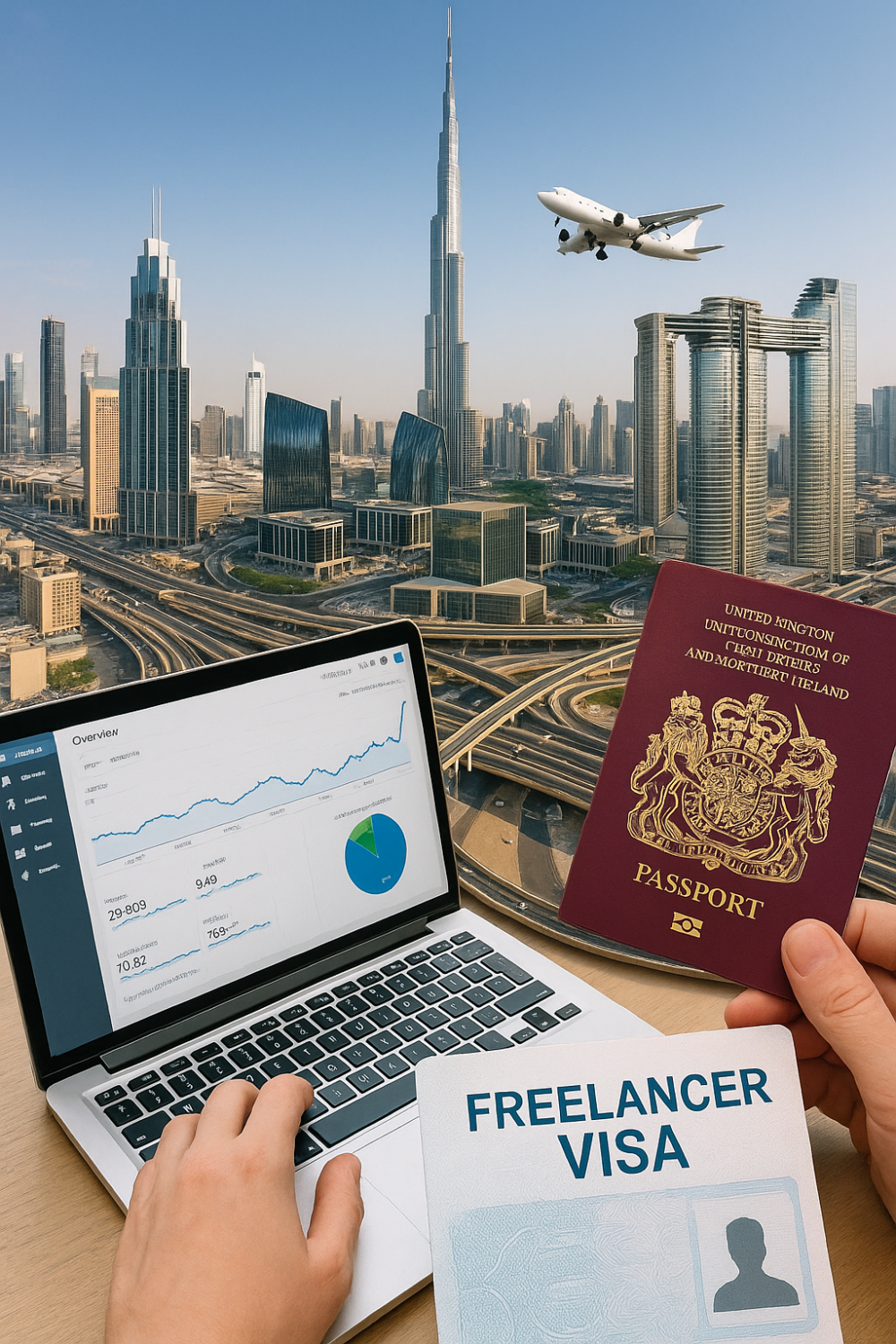
Escape the Ordinary, Embrace Dubai: Your Blueprint for UK Residents to Launch an Online Empire and Secure Residency Through the Freelancer Visa!
Feeling the squeeze of the UK economy? Tired of the same old routine? What if I told you there’s a vibrant, opportunity-rich landscape beckoning, where you can not only build a thriving online business but also secure residency? That’s the allure of Dubai’s Freelancer Visa, a golden ticket for ambitious UK residents looking to redefine their professional and personal lives in 2025! Imagine waking up to sunshine, operating your global online venture from a dynamic hub, and benefiting from a pro-business environment. Sounds enticing, right?
For savvy UK entrepreneurs and freelancers, this isn’t just a pipe dream; it’s an increasingly viable pathway. Dubai has strategically positioned itself as a global nexus for innovation and commerce, actively attracting international talent and investment. One of the key instruments in this strategy is its dedicated Freelancer Visa programme, specifically designed to empower independent professionals and online business owners. This isn’t about escaping your responsibilities; it’s about strategically positioning yourself for greater success and a higher quality of life. Think about it: a burgeoning digital economy, attractive tax policies within designated free zones, and a cosmopolitan lifestyle – all within reach.
This comprehensive guide will navigate you through the intricacies of leveraging Dubai’s Freelancer Visa to establish and scale your online business while securing residency. We’ll delve into the “why,” the “what,” the “where,” the “when,” and the “how” of this exciting opportunity. Get ready to unlock a world of possibilities and take control of your future!
Why Dubai’s Freelancer Visa is a Smart Move for UK Residents in 2025
Several compelling factors make Dubai’s Freelancer Visa an increasingly attractive option for UK residents looking to establish or grow their online businesses and gain residency:
1. Thriving Digital Economy and Business-Friendly Environment: Dubai has made significant strides in fostering a robust digital infrastructure and a pro-business ecosystem. The government actively supports innovation, technology adoption, and entrepreneurship. This creates a fertile ground for online businesses to flourish, offering access to a dynamic market and a global network of professionals. The sheer energy and ambition palpable in Dubai can be incredibly motivating for entrepreneurs seeking growth.
2. Strategic Location and Global Connectivity: Situated at the crossroads of East and West, Dubai offers unparalleled access to global markets. Its world-class transportation infrastructure, including a major international airport and efficient logistics networks, facilitates seamless international business operations. For online businesses with a global reach, this strategic positioning can be a significant advantage, allowing for easier interaction with clients and partners across different time zones.
3. Attractive Tax Policies within Free Zones: One of the most significant draws for entrepreneurs is the favourable tax environment within Dubai’s designated free zones. Many of these zones offer 0% corporate and personal income tax, which can substantially boost profitability for your online business. This financial advantage allows for greater reinvestment and faster growth compared to higher-tax jurisdictions. Imagine the impact of zero income tax on your bottom line!
4. High Quality of Life and Cosmopolitan Environment: Dubai offers a high standard of living with modern infrastructure, world-class amenities, and a diverse and vibrant social scene. The city boasts excellent healthcare, education, and recreational facilities. For UK residents seeking a change of pace and a more cosmopolitan environment, Dubai provides a compelling lifestyle proposition. Plus, the year-round sunshine is a definite bonus!
5. Opportunity for Residency and Long-Term Stability: Unlike short-term business visas, the Freelancer Visa in Dubai offers a pathway to long-term residency, providing stability and a sense of belonging. This can be particularly appealing for individuals looking to build a long-term future for themselves and their families in a dynamic and growing international hub. Securing residency opens up numerous personal and professional opportunities.
6. Access to a Diverse Talent Pool: Dubai attracts a highly skilled and diverse international talent pool. This can be a significant advantage for online businesses looking to scale and build a strong team. The multicultural environment fosters innovation and provides access to a wide range of expertise.
7. Government Support for SMEs and Startups: The Dubai government actively supports small and medium-sized enterprises (SMEs) and startups through various initiatives, funding programmes, and incubation centres. This supportive ecosystem can provide valuable resources and networking opportunities for newly established online businesses.
Eligible Online Businesses for the Dubai Freelancer Visa
The Dubai Freelancer Visa is designed to attract a wide range of skilled professionals operating online. While specific regulations may evolve, here are some common categories of online businesses and freelance professions generally eligible for this visa:
Digital Marketing and Content Creation:
- Social Media Management: Managing and growing social media presence for businesses.
- Search Engine Optimisation (SEO): Optimising websites to rank higher in search engine results.
- Content Writing and Copywriting: Creating engaging written content for websites, blogs, and marketing materials.
- Graphic Design and Visual Content: Designing logos, websites, marketing materials, and other visual assets.
- Video Production and Editing: Creating and editing video content for online platforms.
- Influencer Marketing: Collaborating with brands to promote products or services through social media.
IT and Technology:
- Web Development and Design: Building and maintaining websites and web applications.
- Software Development: Creating and maintaining software applications.
- Mobile App Development: Developing applications for smartphones and tablets.
- Data Analysis and Science: Analysing data to provide insights and support decision-making.
- Cybersecurity Consulting: Providing expertise in protecting digital assets and systems.
- Cloud Computing Services: Managing and supporting cloud-based infrastructure and applications.
Consulting and Business Services:
- Business Consulting (Online Focus): Providing expert advice to businesses on strategy, operations, and growth.
- Marketing Consulting (Digital Focus): Developing and implementing digital marketing strategies.
- Financial Consulting (Online Focus): Providing financial advice and planning services remotely.
- HR Consulting (Remote Focus): Offering remote human resources support and guidance.
- E-commerce Consulting: Assisting businesses with setting up and optimising their online stores.
- Virtual Assistance: Providing administrative, technical, or creative assistance to clients remotely.
Education and Training (Online Delivery):
- Online Tutoring: Providing educational support to students remotely.
- E-learning Content Creation: Developing online courses and educational materials.
- Language Instruction (Online): Teaching languages through online platforms.
- Skills-Based Training (Online): Offering online workshops and training programmes in various fields.
Creative Professions:
- Photography and Videography (Online Sales/Services): Selling stock photos/videos or offering remote editing services.
- Music Composition and Production (Online Licensing/Sales): Creating and licensing music online.
- Fashion Design (Online Sales/Consulting): Selling designs online or offering remote styling advice.
- Illustration and Animation (Online Commissions/Sales): Creating and selling digital artwork and animations.
Important Note: This list is not exhaustive, and the specific eligibility criteria can be subject to change based on the free zone authority and the prevailing regulations. It is crucial to consult with the relevant free zone authority or a professional consultancy to confirm the eligibility of your specific online business activity.
Navigating Dubai’s Free Business Zones: Your Launchpad for Success
Dubai boasts several designated free zones, each with its own specific focus and regulations. These zones offer attractive incentives, including tax exemptions, full foreign ownership, and streamlined business setup processes. Here are some of the prominent free zones that are particularly relevant for online businesses and freelancers:
1. Dubai Multi Commodities Centre (DMCC): Located in the Jumeirah Lakes Towers (JLT) area, DMCC is one of Dubai’s largest and most diverse free zones. It’s home to a wide range of businesses, including those in technology, trading, and professional services. DMCC offers a dedicated “Freelancer Package” designed to provide cost-effective business setup and licensing options for individual professionals. Their online portal and efficient processes make it a popular choice.
2. Dubai Internet City (DIC): As the name suggests, DIC is a hub for technology and internet-based companies. It hosts a large ecosystem of IT, software, e-commerce, and digital media businesses. While traditionally focused on larger companies, DIC also offers options for freelancers and smaller online ventures within its broader framework. Being part of this vibrant tech community can offer significant networking and collaboration opportunities.
3. Dubai Media City (DMC): DMC is the region’s leading hub for media and creative industries. It’s home to numerous media companies, advertising agencies, production houses, and freelance professionals in content creation, journalism, and digital media. If your online business aligns with these sectors, DMC can provide a supportive and industry-focused environment.
4. Dubai Knowledge Park (DKP): DKP is dedicated to human resource management, training, and professional development. While it might seem less directly relevant to all online businesses, it can be a good option for online educators, trainers, and e-learning content creators.
5. Meydan Free Zone: Located near the Meydan Racecourse, this free zone offers a cost-effective and relatively straightforward business setup process, including options suitable for freelancers and online businesses. It’s known for its competitive pricing and efficient services.
6. IFZA (International Free Zone Authority): IFZA is another popular choice offering competitive setup costs and a wide range of business activities suitable for online operations. They have streamlined processes and cater to international entrepreneurs.
Key Considerations When Choosing a Free Zone:
- Business Activity Alignment: Ensure the free zone allows your specific online business activity under its licensing regulations.
- Cost of Setup and Renewal: Compare the fees associated with registration, licensing, and annual renewal across different free zones.
- Facilities and Support Services: Consider the availability of co-working spaces, business centres, and other support services you might need.
- Networking Opportunities: Some free zones have stronger industry-specific communities, which can be beneficial for networking and collaboration.
- Visa and Immigration Procedures: Understand the specific visa and immigration processes associated with each free zone.
It is highly recommended to research the specific offerings and regulations of each free zone thoroughly and potentially consult with business setup specialists to determine the best fit for your individual needs and online business model.
Timing Your Application: When to Make the Move
Deciding when to apply for the Dubai Freelancer Visa is a crucial aspect of your planning. Several factors should influence your timeline:
1. Business Readiness: Ideally, you should have a clear business plan, a defined online service or product offering, and ideally, some existing online presence or client base. While you can start the process with a strong concept, being prepared will streamline your application and ensure you can hit the ground running in Dubai.
2. Financial Preparedness: Setting up a business and relocating involves costs. Ensure you have sufficient funds to cover visa application fees, business registration costs, initial living expenses in Dubai, and working capital for your online venture. Research the specific costs associated with your chosen free zone and desired lifestyle.
3. Visa Processing Time: The processing time for the Freelancer Visa can vary depending on the free zone and the volume of applications. It’s prudent to factor in potential delays and allow ample time before your intended relocation date. Generally, the process can take anywhere from a few weeks to a couple of months.
4. Personal Circumstances: Consider your personal commitments, such as existing employment contracts, family arrangements, and any other obligations that might impact your ability to relocate. Plan your move in a way that minimizes disruption to your life.
Can You Apply from the UK or on a Visitor Visa in Dubai?
Applying from the UK: Yes, it is generally possible to initiate the application process for a Dubai Freelancer Visa while you are still in the UK. Most free zones have online portals and allow you to complete the initial documentation and application remotely. However, you will likely need to travel to Dubai at some point to finalise the process, undergo medical examinations, and receive your residency visa.
Applying on a Visitor Visa in Dubai: Yes, it is also possible to apply for a Freelancer Visa while you are in Dubai on a visitor visa. This is a common route for individuals who want to explore the environment and meet with free zone authorities before committing. However, it’s crucial to ensure that your visitor visa allows for a change of status and that you comply with all immigration regulations. You will typically need to undergo the application process through the chosen free zone authority while in Dubai. Be aware of the validity period of your visitor visa and ensure you have enough time to complete the Freelancer Visa process. Overstaying your visitor visa can lead to penalties.
Recommendation: Regardless of whether you apply from the UK or on a visitor visa, it is highly recommended to contact the specific free zone authority you are interested in or consult with a business setup agency to get the most up-to-date information on their application procedures and requirements for non-resident applicants.
Who is Eligible to Apply for the Freelancer Visa?
While specific eligibility criteria can vary slightly between different free zones, the general requirements for a Dubai Freelancer Visa typically include:
- Professional Expertise: You must possess demonstrable skills and experience in a profession or business activity that is eligible under the free zone’s regulations (as discussed earlier). You may need to provide a portfolio, client testimonials, or other evidence of your expertise.
- Educational Qualifications: Some free zones may require a minimum level of educational qualification relevant to your field. Be prepared to provide copies of your degrees or certifications.
- Financial Capacity: You will need to demonstrate that you have sufficient financial resources to support yourself during the initial period of your residency and to fund your business operations. This might involve providing bank statements or a business plan with financial projections.
- Clean Criminal Record: You will typically need to provide a police clearance certificate from your home country (the UK in this case) to demonstrate that you have a clean criminal record.
- Medical Fitness: You will be required to undergo a medical examination in Dubai to ensure you are medically fit to reside and work in the UAE.
- Passport Validity: Your passport must have a sufficient validity period (usually at least six months) at the time of application.
- Business License Application: You will need to apply for a freelancer or sole establishment business license within your chosen free zone, outlining your specific business activities.
- Visa Application Forms and Supporting Documents: You will need to complete the required application forms and provide various supporting documents, such as passport copies, photographs, and other documents as requested by the free zone authority.
Important Note: The specific requirements and documentation can vary. It is essential to consult the official website of your chosen free zone or contact them directly for the most accurate and up-to-date eligibility criteria. They can provide a detailed list of required documents and guide you through the process.
Your Dubai Opportunity Awaits in 2025!
The Dubai Freelancer Visa presents a compelling opportunity for UK residents to not only establish and grow their online businesses in a dynamic and supportive environment but also to secure long-term residency in a thriving global hub. The combination of a business-friendly ecosystem, attractive tax policies within free zones, a high quality of life, and the potential for global connectivity makes Dubai an increasingly attractive destination for ambitious entrepreneurs and freelancers.
While the process involves careful planning, research, and adherence to specific regulations, the rewards can be significant. Imagine operating your online empire from a sun-drenched location, benefiting from a zero-tax environment, and immersing yourself in a vibrant international culture. This isn’t just about a visa; it’s about unlocking a new chapter of opportunity and growth for your business and your life.
So, if you’re a UK resident with a thriving online business or a compelling freelance offering, 2025 could be your year to take the leap. Explore the possibilities, research the free zones, prepare your application, and embrace the exciting journey of building your online empire and securing your future in Dubai! The time to escape the ordinary and embrace extraordinary opportunities is now!
Get help to protect and grow your business faster with BusinessRiskTV
Subscribe for free expert analysis and risk management strategies
Connect with us for free expert analysis and risk management strategies
Read more risk management articles and view videos
Connect with us for free risk management articles and videos
Enterprise Risk Management Magazine BusinessRiskTV ERM Magazine
Dubai Business Magazine BusinessRiskTV Dubai Business Risk News
Read expert analysis of opportunities in Dubai:
-
UK residents apply for Dubai freelancer visa online business
-
How to get residency in Dubai as UK freelancer with online income
-
Best dubai free zones for UK online business owners freelancer visa
-
Dubai freelancer visa requirements for UK citizens applying in 2025
-
Can UK freelancer get Dubai residency setting up online company
Relevant hashtags for this risk management strategy:
-
#DubaiFreelancerVisaUK
-
#DubaiResidencyForUK
-
#OnlineBusinessDubai
-
#WorkFromDubai
-
#GlobalFreelancer
UK residents apply for Dubai freelancer visa online business