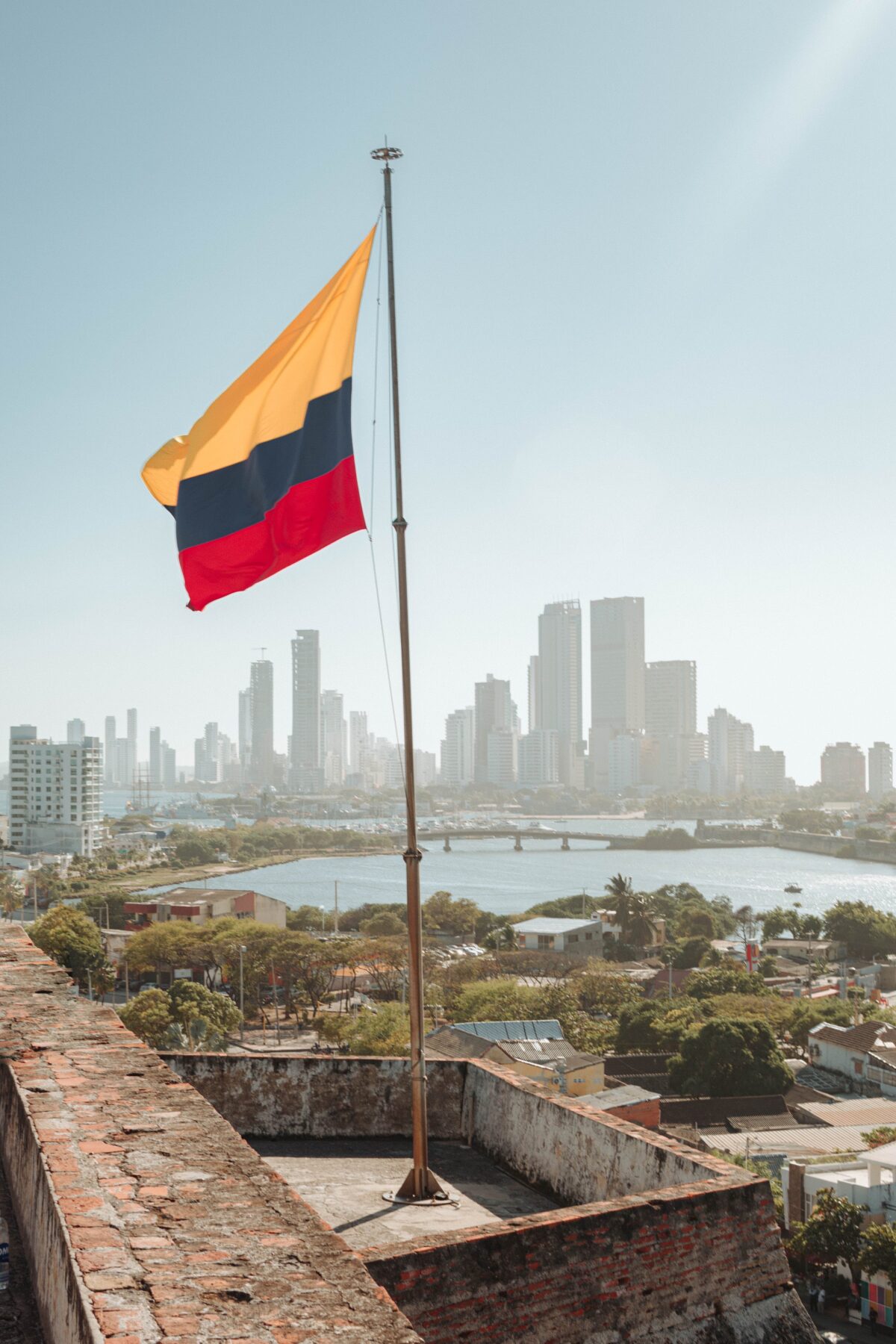
Colombia Business Risk Management
Colombia Business Risk: News, Views, and Reviews
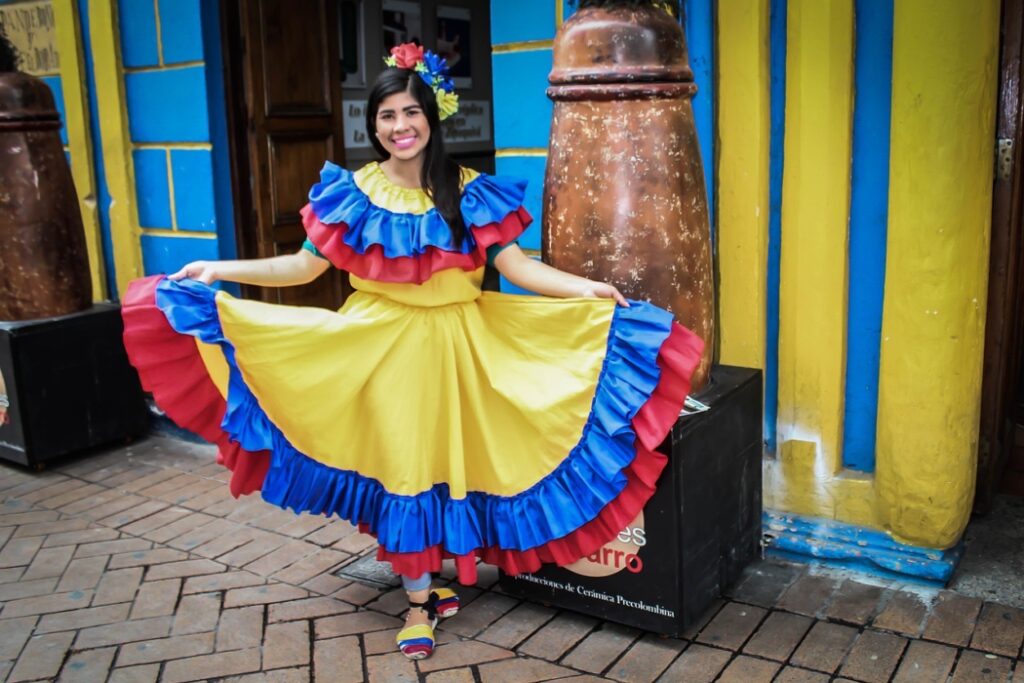
- What is the Country Risk Rating for Colombia?
Country risk rating is a crucial indicator that investors and businesses use to evaluate the stability and potential risks associated with operating in a particular country. Various institutions and agencies provide country risk ratings, with each assessment taking into account political, economic, and social factors.
As of 2023, Colombia’s country risk rating has improved over the years due to its efforts to strengthen its institutions and foster a stable business environment. The country has managed to address some of the long-standing security concerns, thereby attracting more foreign investment and enhancing its overall risk profile.
- Is Colombia a Good Country to Do Business with?
Colombia’s efforts to improve its business climate have yielded positive results, making it a potentially attractive destination for entrepreneurs. The government has implemented pro-business policies, streamlined administrative processes, and invested in infrastructure development. These measures have contributed to a more business-friendly environment and have piqued the interest of international investors.
Colombia’s strategic location in South America grants it access to a large regional market, which can be advantageous for companies seeking to expand their operations in the region. Additionally, the country’s abundance of natural resources, such as oil, coal, and coffee, presents opportunities for various industries.
However, it’s important to note that challenges still exist, including bureaucratic red tape, corruption, and lingering security concerns in certain regions. Businesses should conduct thorough market research and engage with local experts before making any investment decisions.
- Is it Safe to Do Business in Colombia?
Safety has been a primary concern for businesses considering operations in Colombia. The country has had a history of internal conflicts and crime, particularly related to drug trafficking and guerrilla groups. However, significant progress has been made in recent years to improve security and stability.
As of 2023, major cities and tourist destinations in Colombia have seen significant improvements in safety, thanks to increased security measures and government efforts to combat crime. The peace agreement signed in 2016 with the Revolutionary Armed Forces of Colombia (FARC) has also contributed to a more peaceful environment in many parts of the country.
Despite these positive developments, some regions still experience security challenges, especially those near border areas or remote rural locations. Businesses should assess the specific locations they plan to operate in and be vigilant about safety protocols.
- Is Colombia a Good Country to Invest in?
Colombia’s efforts to attract foreign investment have been successful in recent years. The government has actively promoted investment through various incentives, including tax breaks, free trade zones, and simplified procedures for setting up businesses.
Moreover, Colombia’s growing middle class, youthful population, and increasing urbanisation provide a solid consumer base for various industries. Sectors such as renewable energy, technology, infrastructure, and tourism have particularly high potential for growth.
However, investing in Colombia also comes with challenges, including a complex regulatory environment, potential currency volatility, and competition from established local companies. Thorough market research, understanding the local business culture, and seeking reliable legal counsel are essential for successful investments.
- Colombia Economy 2023
As of 2023, Colombia’s economy has shown signs of recovery after facing challenges during the global economic downturn. The COVID-19 pandemic impacted various sectors, but the country has demonstrated resilience and adaptability.
One of the key drivers of Colombia’s economy is its natural resources, including oil, coal, and agricultural products. These sectors continue to play a crucial role in supporting economic growth and trade.
Additionally, the Colombian government has been focused on diversifying the economy by promoting innovation, entrepreneurship, and technology-driven industries. This approach aims to reduce the country’s reliance on traditional sectors and foster sustainable economic development.
Colombia presents both opportunities and risks for businesses and investors. The country has made substantial progress in improving its business climate, safety conditions, and economic diversification. However, challenges such as security concerns and bureaucratic hurdles persist in certain regions.
Before venturing into the Colombian market, businesses and investors must conduct thorough research, seek local expertise, and carefully evaluate the risks and potential rewards. While the country’s risk rating has improved, prudent decision-making and strategic planning are essential for successful ventures in this promising South American nation.
Medellín, Colombia: The City of Eternal Spring
Medellin City, Colombia
Medellín, Colombia’s second-largest city, is located in the Aburrá Valley, in the department of Antioquia. It is known as the “City of Eternal Spring” because of its pleasant weather year-round. Medellín is a vibrant and cosmopolitan city with a rich history and culture. It is also a popular tourist destination, thanks to its many attractions, including museums, parks, and restaurants.
Medellín has undergone a dramatic transformation in recent years, from a city plagued by violence to a vibrant and safe city. This transformation was due in part to the work of former mayor Álvaro Uribe Vélez, who implemented a number of innovative policies to reduce crime and improve the quality of life for residents.
Today, Medellín is a city on the rise. It is home to a growing economy, a thriving cultural scene, and a warm and welcoming population. If you are looking for a unique and exciting travel destination, Medellín is a great option.
Why Visit Medellín?
There are many reasons to visit Medellín. Here are just a few:
- The weather: Medellín’s nickname, “The City of Eternal Spring,” is well-deserved. The city has a mild climate year-round,with average temperatures ranging from 65 to 80 degrees Fahrenheit.
- The culture: Medellín is a city with a rich cultural heritage. The city is home to many museums, theaters,and art galleries. There are also a number of festivals and events held throughout the year.
- The food: Medellín is a foodie paradise. The city’s cuisine is influenced by Spanish, African,and indigenous cultures. There are a wide variety of restaurants to choose from, serving everything from traditional Colombian dishes to international fare.
- The nightlife: Medellín has a vibrant nightlife scene. There are a number of bars and clubs to choose from, and the city is known for its salsa dancing.
- The people: The people of Medellín are warm and welcoming. They are proud of their city and are always happy to help visitors.
Things to Do in Medellín
There are many things to do in Medellín. Here are a few suggestions:
- Visit the Botero Museum: The Botero Museum is home to the works of Fernando Botero, one of Colombia’s most famous artists.Botero’s sculptures and paintings are known for their exaggerated proportions.
- Take a walk through Parque Lleras: Parque Lleras is a popular park in the El Poblado neighborhood. The park is lined with restaurants, bars, and shops.
- Take a ride on the Metrocable: The Metrocable is a cable car system that offers stunning views of the city.
- Visit the Museum of Antioquia: The Museum of Antioquia is home to a collection of art and artifacts from Antioquia.
- Go on a coffee tour: Colombia is famous for its coffee, and Medellín is a great place to learn about the coffee-making process.
- Take a salsa dancing class: Salsa dancing is a popular activity in Medellín, and there are many schools that offer classes.
- Visit the Pueblito Paisa: The Pueblito Paisa is a replica of a traditional Colombian village.
- Go to a football match: Medellín is home to two professional football teams, Atlético Nacional and Independiente Medellín.
- Take a day trip to Guatapé: Guatapé is a small town located about an hour from Medellín. The town is known for its colourful houses and the Piedra del Peñol,a large rock that offers stunning views of the surrounding area.
Places to Go in Medellín
There are many places to go in Medellín. Here are a few suggestions:
- El Poblado: El Poblado is a trendy neighborhood with a number of restaurants, bars, and shops.
- Laureles: Laureles is another trendy neighborhood with a more relaxed atmosphere.
- Candelaria: Candelaria is the historical center of Medellín. The neighborhood is home to a number of colonial buildings and churches.
- Sabaneta: Sabaneta is a quiet suburb
Santiago de Cali (Salsa’s capital)
Santiago de Cali: Exploring the Salsa Capital of the World
Nestled in the Valle del Cauca region of Colombia, Santiago de Cali, commonly referred to as Cali, is a vibrant and culturally rich city that captivates visitors with its pulsating energy and passion for dance. Known as the “Salsa Capital of the World,” Cali is celebrated for its lively music, warm people, and a deep-rooted love for salsa. In this article, we will delve into the fascinating aspects of Santiago de Cali, exploring its cultural significance, unique identity, and the safety aspects that make it a must-visit destination.
- What is Santiago de Cali Known For?
Santiago de Cali is renowned worldwide for being the undisputed capital of salsa music and dance. This infectious rhythm runs through the veins of the city, and it is not uncommon to hear salsa beats echoing from every corner. Cali is home to numerous dance schools and salsa clubs, attracting enthusiasts and professional dancers from all over the globe.
Aside from salsa, Cali is also known for its warm climate, friendly locals, and vibrant street life. The city’s rich cultural heritage is reflected in its architecture, museums, and traditional festivals, making it an attractive destination for both locals and tourists.
- What Language is Santiago de Cali?
The official language spoken in Santiago de Cali, like the rest of Colombia, is Spanish. Spanish is the primary mode of communication for business, education, and daily interactions. While English is taught in schools and some locals may speak it, especially in tourist areas, it is advisable for visitors to have a basic understanding of Spanish to facilitate easier communication.
- Is Santiago de Cali the Same as Cali?
Yes, Santiago de Cali and Cali refer to the same city. The official name of the city is Santiago de Cali, but it is commonly known simply as Cali. The city was founded on July 25, 1536, by Sebastian de Belalcazar, and it was named after Santiago (Saint James) and the indigenous word “Cali,” which means “river of paradise” in the local dialect.
- What’s Cali, Colombia Known For?
Cali, Colombia, is renowned for several unique aspects that contribute to its distinct identity:
a. Salsa Capital: As mentioned earlier, Cali is globally recognised as the Salsa Capital of the World. Salsa music and dance are deeply ingrained in the city’s culture, and visitors can experience the lively atmosphere by joining dance classes or attending one of the many salsa clubs and events.
b. Feria de Cali: The Cali Fair is one of Colombia’s most prominent cultural festivals, held at the end of December. This week-long celebration includes parades, music concerts, dance performances, bullfighting, and various cultural activities, attracting both locals and tourists.
c. Art and Culture: Cali boasts a thriving arts scene, with numerous art galleries, theaters, and cultural centers. The city hosts various cultural events, exhibitions, and film festivals, showcasing the creativity and talent of local artists.
d. Afro-Colombian Heritage: Cali has a significant Afro-Colombian population, and their cultural influence is evident in the city’s music, dance, cuisine, and traditions.
- What is the Richest Part of Cali, Colombia?
Cali, like many cities, exhibits economic disparities among its neighbourhoods. The wealthiest part of Cali is typically found in the south of the city, particularly in areas like Ciudad Jardin, Valle del Lili, and Pance. These neighbourhood’s boast upscale residential areas, modern amenities, and access to exclusive services.
It’s essential to note that while these areas may be considered wealthier, Cali’s charm lies in its diverse neighbourhoods, each offering a unique experience to visitors and residents alike.
- Is Cali, Colombia Safe?
Cali, like any major city, has its share of safety concerns, but it has made significant strides in improving its security situation in recent years. The city has seen a decline in crime rates, making it safer for residents and tourists. The government and local authorities have been actively working to enhance security and public safety.
However, like any travel destination, visitors should exercise caution and be aware of their surroundings, particularly in unfamiliar areas. It’s advisable to avoid displaying expensive items, keep belongings secure, and use reputable transportation services.
Conclusion
Santiago de Cali, the Salsa Capital of the World, offers a fascinating blend of music, dance, culture, and warm hospitality. From its vibrant salsa scene to its rich Afro-Colombian heritage, the city’s unique identity captivates travelers from all walks of life. As Cali continues to develop and evolve, it remains a melting pot of traditions, creativity, and diverse experiences. Whether you’re drawn to the infectious rhythms of salsa or eager to explore the city’s artistic and cultural offerings, Santiago de Cali promises an unforgettable journey of discovery and delight.
La vida es corta. Vive apasionadamente y siente la felicidad
Come seize the moment with BusinessRiskTV in Santiago de Cali the home of passionate salsa!
Life is short. Live passionately and feel happiness. Life improvement tips – click here.
Focus On : Cartagena
Immerse Yourself in History:
-
Walk the Fortifications: Explore the magnificent 16th-century walls (Murallas) encircling the city’s core. Enjoy panoramic ocean views, vibrant street art, and historical markers (2-3 hours).
-
Stroll through Getsemaní: Wander the colourful streets of this bohemian neighbourhood, discovering charming cafes, vibrant street art, and lively plazas. Visit the San Pedro Claver Church and convent, known for its role in aiding enslaved Africans (1-2 hours).
-
Unravel the Past at San Felipe de Barajas: Delve into the imposing San Felipe fortress, learning about its strategic role in defending the city from pirates and invaders. Explore tunnels, cannons, and breathtaking views (2-3 hours).
Indulge in Culture and Arts:
-
Embrace Local Flavours: Savour Colombian cuisine at Plaza de los Coches, with diverse food stalls offering traditional dishes like arepas, empanadas, and ceviche (1-2 hours).
-
Immerse in Music and Dance: Experience the infectious energy of salsa at Cafe Havana, a legendary bar with live music and dance lessons (2-3 hours).
-
Discover Artistic Treasures: Explore the Museo del Oro Zenu, showcasing pre-Columbian gold artifacts, or admire contemporary art at the Cartagena Modern Art Museum (1-2 hours).
Seek Tranquility and Adventure:
-
Relax on Pristine Beaches: Bask in the sun on Playa Blanca, a postcard-perfect island paradise with turquoise waters and soft sand (full day trip).
-
Island Hopping Bliss: Discover the Rosario Islands’ natural beauty, snorkeling vibrant coral reefs, exploring mangroves, and unwinding on secluded beaches (full day trip).
-
Embrace Nature’s Majesty: Hike through the lush rainforest of National Park Tayrona, reaching hidden waterfalls and pristine beaches (full day trip).
Unique Experiences:
-
Horse-Drawn Carriage Ride: Take a romantic journey through the walled city’s cobbled streets, soaking in the colonial ambiance and listening to local stories (1-2 hours).
-
Mud Volcano Fun: Visit the Totumo Mud Volcano, immersing yourself in the therapeutic mud baths and floating in the refreshing lagoon (half day trip).
-
Sunset Sail: Embark on a scenic catamaran cruise, enjoying breathtaking ocean views, refreshing drinks, and a magical Caribbean sunset (2-3 hours).
Additional Tips:
- Consider purchasing a Cartagena Card for discounted entry to attractions and free public transportation.
- Negotiate prices with street vendors, but be respectful and aware of fair prices.
- Carry Colombian pesos in small denominations for easier transactions.
- Wear comfortable shoes suitable for walking on cobblestone streets.
- Respect local customs and dress modestly, especially in religious sites.
More on Getsemaní, Cartagena: Unveiling the Cultural Tapestry
In the heart of Cartagena lies the soulful neighbourhood of Getsemaní, a vibrant tapestry woven with historical threads and contemporary flair. This article delves into the rich cultural experiences that await those who wander through its colourful streets.
Historical Roots of Getsemaní: Getsemaní’s journey begins with a profound historical background. Once a hub for slaves and the working class, this neighbourhood reflects the enduring spirit of resistance against colonial oppression. The section explores the evolution of Getsemaní, its Afro-Caribbean influences, and how its streets tell the tales of a resilient community.
Architectural Marvels: Wander through Getsemaní’s labyrinth of cobblestone streets, and you’ll encounter a captivating blend of colonial architecture and contemporary street art. This section takes a closer look at iconic landmarks, such as Plaza de la Trinidad, highlighting the preservation of historical charm and the infusion of modern creativity that adorns its structures.
Street Art and Graffiti Tour: Embark on a visual journey with a street art and graffiti tour, an essential experience in Getsemaní. The article introduces readers to local artists, their thought-provoking creations, and the stories behind each mural. The evolving art scene is a testament to the neighbourhoods dynamic spirit and its continuous dialogue with the past and present.
Culinary Delights: Getsemaní’s culinary scene is a melting pot of flavours, blending traditional Colombian dishes with innovative twists. From hidden gems to well-known eateries, this section guides readers through a gastronomic adventure, showcasing must-try local delicacies and providing insights into the culinary fusion that defines Getsemaní.
Music and Nightlife: As the sun sets, Getsemaní transforms into a rhythm-filled haven. Dive into the vibrant nightlife, exploring live music venues, dance clubs, and traditional performances. This section emphasises the role of music in the neighbourhood, celebrating its cultural importance and inviting travellers to sway to the beats of Getsemaní’s unique tunes.
Community Engagement: Beyond its aesthetics and entertainment, Getsemaní thrives on community spirit. This section encourages travellers to engage with locals, participate in community projects, and attend local events. It emphasises responsible tourism practices to preserve the authenticity of Getsemaní and contribute positively to the community.
Conclusion: In conclusion, Getsemaní is more than a neighbourhood; it’s an immersive cultural experience. Its historical roots, architectural marvels, street art, culinary delights, music, and community engagement collectively create a vibrant tapestry. As you traverse the streets of Getsemaní, you not only witness its rich history but also become a part of its ongoing cultural narrative—a journey that transcends time and leaves an indelible mark on every traveler’s heart.
How many terminals are there at Cartagena airport?
There is actually only one terminal at Cartagena Airport . However, it is divided into separate areas for International and Domestic Departures, each with their own security screening..
If you’ve already checked in online for your Avianca domestic flight at Cartagena Airport, you can skip the check-in counters and head straight to the Domestic Departures security checkpoint.
Here’s what you should do:
- Locate the Domestic Departures area: This is in the middle of the terminal, separate from International Departures.
- Look for signage for security checkpoints: There will be signs directing you towards security screening for domestic flights.
- Proceed through security: Have your boarding pass and a valid ID ready for inspection.
After clearing security, you’ll be in the domestic departures gate area. Look for flight information screens to locate your specific Avianca boarding gate and wait for your flight to be called.
Focus On … Santa Marta
9 Unforgettable Experiences in Santa Marta, Colombia:
1. Hike to the Lost City (Ciudad Perdida): Embark on a multi-day adventure through the Sierra Nevada de Santa Marta jungle to reach the ancient ruins of Ciudad Perdida. This challenging yet rewarding trek offers breathtaking scenery, encounters with indigenous communities, and a glimpse into the mysteries of the Tairona civilisation.
2. Explore Tayrona National Park: Immerse yourself in the diverse ecosystems of Tayrona National Park. Hike through lush rainforests, relax on pristine beaches like Cabo San Juan and Playa Cristal, snorkel in coral reefs teeming with marine life, and discover hidden waterfalls.
3. Discover Santa Marta’s Historic Centre: Wander through the vibrant streets of the Centro Historico, lined with colourful colonial buildings, charming squares, and lively markets. Visit the Santa Marta Cathedral, the oldest church in South America, and explore the Gold Museum showcasing pre-Columbian artifacts.
4. Sail away on a Caribbean adventure: Set sail from Santa Marta’s bay and spend a day exploring nearby islands, secluded beaches, and hidden coves. Enjoy snorkelling, swimming, sunbathing, and delicious seafood lunches onboard.
5. Dive into the underwater world: Taganga, a small fishing village near Santa Marta, is a renowned diving haven. Beginners can take introductory courses, while experienced divers can explore underwater caves, shipwrecks, and vibrant coral reefs teeming with colourful fish.
6. Learn to surf or stand-up paddleboard: Catch some waves at El Rodadero beach, a popular spot for water sports. Take surf lessons with experienced instructors or rent a stand-up paddleboard to explore the coastline at your own pace.
7. Connect with nature in Minca: Escape the city’s heat and head to Minca, a charming mountain village nestled in the Sierra Nevada. Hike to cascading waterfalls, swim in natural pools, learn about coffee production, and enjoy breathtaking panoramic views.
8. Indulge your taste buds on a food tour: Savour the flavours of Santa Marta on a guided food tour. Sample local delicacies like arepas, empanadas, coconut rice, and fresh seafood at traditional restaurants and street vendors.
9. Relax and unwind at Parque de los Novios: Stroll along the scenic Malecón boardwalk, watch the sunset over the Caribbean Sea, and soak up the lively atmosphere at Parque de los Novios. This charming park is a perfect spot to relax, people-watch, and enjoy the local vibe.
Bonus: For a unique experience, visit Quinta de San Pedro Alejandrino, the historical hacienda where Simón Bolívar spent his last days. Learn about Colombia’s history and explore the beautiful gardens and museum exhibits.
Additional Tips:
- Consider the time of year you’re visiting, as the rainy season can impact some activities.
- Book tours and activities in advance, especially for the Lost City trek and diving excursions.
- Pack comfortable shoes, sunscreen, insect repellent, and a hat for outdoor activities.
- Learn some basic Spanish phrases to enhance your experience and connect with locals.
- Respect local customs and be mindful of the environment.
2-day itinerary for exploring Santa Marta, Colombia:
Day 1:
- Start your morning at the Museo del Oro Tairona (Tairona Gold Museum), which houses a collection of indigenous artifacts from the region.
- Next, head to Parque del Agua, a water park with slides, pools, and a lazy river.
- In the afternoon, take a walk through Parque de Los Novios, a beautiful park with gardens, fountains, and a bandstand.
- In the evening, enjoy a delicious meal at one of Santa Marta’s many restaurants.
Day 2:
- Hike to the top of Morro de Santa Marta, a hill with stunning views of the city and the surrounding area.
- In the afternoon, relax on one of Santa Marta’s many beaches, such as Playa Rodadero or Playa Blanca.
- In the evening, enjoy a night out in Santa Marta’s vibrant nightlife scene.
Here are some additional things to consider adding to your itinerary:
- Visit the Tayrona National Natural Park, home to beautiful beaches, rainforests, and indigenous ruins.
- Take a day trip to Minca, a coffee-growing town in the Sierra Nevada mountains.
- Go scuba diving or snorkelling in the crystal-clear waters off the coast of Santa Marta.
- Learn to salsa dance at one of Santa Marta’s many dance schools.
6 of the best tapas bars in Santa Marta, Colombia, based on Google Maps results:
- Santa Mesa is located in the Distrito Turístico Cultural E Histórico and has a rating of 4.5 stars on Google Maps. It is open from 12:00 PM to 3:00 PM and 6:00 PM to 11:00 PM Monday through Sunday.
- La Azotea Disco Bar Santa Marta is located on Cra. 3 #19-25 and has a rating of 4.3 stars on Google Maps. It is closed on Monday and Tuesday, and is open from 6:00 PM to 12:00 AM on Wednesday and Thursday, 6:00 PM to 3:00 AM on Friday and Saturday, and 6:00 PM to 12:00 AM on Sunday.
- La Puerta is located on Cl. 17 #2-29 and has a rating of 4.6 stars on Google Maps. It is open from 6:00 PM to 4:00 AM Monday through Sunday.
- Crab’s Bar is located in the Centro Histórico on Cl. 18 #3-69 and has a rating of 4.8 stars on Google Maps. It is closed on Monday,Tuesday, and Wednesday, and is open from 8:00 PM to 3:00 AM on Thursday, Friday, and Saturday.
- La cocoteria is located in the Centro Histórico on Cl. 18 #4 – 08 and has a rating of 4.9 stars on Google Maps. It is open from 11:00 AM to 11:00 PM Monday through Thursday, 12:00 PM to 11:00 PM on Friday and Saturday, and 12:00 PM to 11:00 PM on Sunday.
These are just a few of the many great tapas bars in Santa Marta. With so many options to choose from, you’re sure to find the perfect spot to enjoy a delicious and authentic Spanish meal.
Here are some additional tips for finding the best tapas bars in Santa Marta:
- Read online reviews to get a sense of what other diners thought of their experience.
- Ask locals for their recommendations.
- Consider your budget and the type of atmosphere you’re looking for.
- Don’t be afraid to try a new place!

Do you want to trade more in or with Colombia? Have you developed a great product or service more people will buy if they know more about it? Do you have a limited budget for marketing?
Colombia News Views and Reviews
Colombia earthquake
An earthquake with a 6.1 magnitude has hit Bogota, Colombia.
The tremor was followed by a series of aftershocks, estimated at 5.6 and 4.8 magnitudes.
Colombia’s central bank on 3 August 2023 lowered its outlook for inflation in 2023 to 9%, from 9.5% previously, and cut its forecast growth for Colombia to 0.9%.
The central bank previously forecast Colombia’s economic growth at 1% for this year. Colombia economic activity is slowing – bringing down inflation.
BusinessRiskTV
Colombia’s 12-month inflation through 30th June hit 12.13%. The central bank has forecast that inflation will end 2024 at 3.5%, close to the bank’s long-term target of 3%.
The current policy on making money expensive and hardier to get is designed to reduce inflation but it will also slow economic development.
President Gustavo Petro said this week he also expects interest rate cuts from September 2023, as do many economic analysts. The government says rate cuts will depend on the direction of travel of inflation rate.
Colombian Government Proposes $127.8 Billion Budget for 2024
The Colombian government has proposed a budget of 502.6 trillion pesos ($127.8 billion) for 2024, an increase of 19% from this year. The budget includes spending on a wide range of programs, including education, healthcare, infrastructure, and social protection.
The largest share of the budget, 94.52 trillion pesos, will go towards servicing the country’s debt. The government is also planning to invest 97.75 trillion pesos in infrastructure, education, and healthcare.
Some of the key investments in the 2024 budget include:
- $1.5 billion to build a new metro line in Bogotá
- $1 billion to improve rural roads
- $500 million to increase access to early childhood education
- $400 million to expand healthcare coverage
The government is also planning to increase social protection spending by 10% in 2024. This will include benefits for the elderly, the disabled, and low-income families.
The 2024 budget is still subject to approval by Congress. However, the government is confident that the budget will be passed, as it is in line with the country’s economic growth projections.
The Impact of the Budget on the Colombian Economy
The 2024 budget is expected to have a significant impact on the Colombian economy. The increase in spending on infrastructure and education is expected to boost economic growth. The government also expects that the budget will help to create jobs and reduce poverty.
However, the budget also has some potential risks. The increase in debt servicing costs could put pressure on the government’s finances. Additionally, the government’s investment plans could be delayed if there are any unforeseen economic challenges.
Overall, the 2024 budget is a positive step for the Colombian economy. However, there are some risks that the government will need to manage in order to ensure that the budget is successful.
The Reaction to the Budget
The reaction to the 2024 budget has been mixed. Some economists have praised the government’s investment plans, while others have expressed concerns about the increase in debt servicing costs.
The business community has also been divided in its response to the budget. Some businesses have welcomed the government’s investment plans, while others have expressed concerns about the potential impact on inflation.
The political opposition has also criticised the budget. The opposition has argued that the budget is too large and that it will lead to higher taxes.
The Future of the Budget
The 2024 budget is still subject to approval by Congress. However, the government is confident that the budget will be passed, as it is in line with the country’s economic growth projections.
If the budget is approved, it will be a significant step forward for the Colombian economy. The government’s investment plans will boost economic growth and create jobs. The budget will also help to reduce poverty and improve the quality of life for Colombians.
However, the government will need to manage the risks associated with the budget, such as the increase in debt servicing costs. If the government is able to manage these risks, the 2024 budget will be a success for the Colombian economy.
Conclusion
The Colombian government’s proposed budget for 2024 is a significant step forward for the country’s economy. The budget includes increased spending on infrastructure, education, and healthcare, which is expected to boost economic growth and create jobs. The government will need to manage the risks associated with the budget, such as the increase in debt servicing costs. However, if the government is successful, the 2024 budget will be a major benefit for the Colombian economy.
Promote and market your business in and with Colombia

Do you need a visa to enter Colombia as UK citizen?
No, you do not need a visa to enter Colombia as a UK citizen for a tourist or business stay of 90 days or less, or for cumulative stays of 180 days or less per calendar year. However, you must have a valid passport that is at least 6 months old on the day of your arrival. You may also need to provide evidence of return or onward travel.
If you plan to stay in Colombia for more than 90 days, you will need to apply for a visa at the Colombian embassy or consulate in your home country. The requirements for a visa vary depending on the type of visa you are applying for, so it is best to check with the embassy or consulate for the latest information.
Here are some additional things to keep in mind when traveling to Colombia:
- You must register your visa with Migración Colombia within 15 days of arrival.
- You cannot travel to certain areas of Colombia, such as the departments of Arauca and Guaviare, without a special permit.
- You should be aware of the security situation in Colombia and take appropriate precautions.
Best ways to travel to Colombia from Panama
Here are the best ways to travel to Colombia from Panama:
- Fly: This is the fastest and most convenient way to travel between the two countries. There are several airlines that offer direct flights from Panama City to Bogotá, Medellín, and Cartagena. Flights typically take around 1 hour and 50 minutes.
- Take a bus: There are also several bus companies that offer direct bus service between Panama City and Medellín, Cartagena, and Santa Marta. The bus journey takes around 20-24 hours, depending on the route.
- Take a boat: There are also several boat companies that offer boat service between the San Blas Islands in Panama and Cartagena in Colombia. The boat journey takes around 24 hours.
- Take a combination of transportation: You can also combine different modes of transportation to get from Panama to Colombia. For example, you could fly from Panama City to David, then take a bus to the border town of Paso Canoa, and then walk or take a taxi across the border into Colombia.
The best way to travel to Colombia from Panama will depend on your budget, time constraints, and preferences. If you are looking for the fastest and most convenient way to travel, then flying is the best option. If you are on a budget, then taking a bus or boat may be a better option. If you want to experience the local culture, then taking a combination of transportation may be the best way to go.
No matter which way you choose to travel, be sure to do your research and book your tickets in advance, especially if you are travelling during peak season.
Best places to visit in Colombia
Colombia is a country with a diverse landscape and culture, making it a popular tourist destination. Here are some of the best places to visit in Colombia:
Bogotá is the capital of Colombia and is home to a number of museums, historical landmarks, and parks. The city is also known for its vibrant nightlife and street art scene.
Cali is known as the “City of Eternal Spring” due to its warm climate. The city is home to a number of salsa clubs and is a popular destination for dance lovers.
Barichara is a colonial town located in the Santander region of Colombia. The town is known for its cobblestone streets and whitewashed houses. Barichara is a popular destination for tourists looking for a relaxing and charming getaway.
Salento is a small town located in the coffee region of Colombia. The town is known for its towering wax palms and its proximity to the Cocora Valley, which is home to the tallest palm trees in the world.
Tanganga is a small town located in the Amazon rainforest. The town is a popular destination for tourists looking to experience the rainforest and its wildlife.
San Gil is a town located in the Santander region of Colombia. The town is known for its adventure activities, such as whitewater rafting, canyoning, and bungee jumping.
San Andrés is an island located in the Caribbean Sea. The island is known for its white-sand beaches and crystal-clear waters. San Andrés is a popular destination for tourists looking for a relaxing beach vacation.
Santa Marta is a city located on the Caribbean coast of Colombia. The city is home to the Tayrona National Park, which is a popular destination for hiking, camping, and swimming.
Cartagena de Indias is a colonial city located on the Caribbean coast of Colombia. The city is known for its walled Old Town, which is a UNESCO World Heritage Site. Cartagena is a popular destination for tourists looking for a mix of history, culture, and beaches.
These are just a few of the many great places to visit in Colombia. With its diverse landscape and culture, Colombia is a country that has something to offer everyone.
Here are some other places that you may want to consider visiting in Colombia:
- Medellin: This city has transformed itself from a former drug cartel hub into a vibrant and modern metropolis. Medellín is home to a number of parks, museums, and universities.
- Popayán: This colonial city is known for its well-preserved architecture. Popayán is also home to a number of religious festivals, including the Festival of the Crosses, which is held in May.
- Guapi: This town is located on the Pacific coast of Colombia. Guapi is known for its beautiful beaches and its traditional Afro-Colombian culture.
- La Guajira: This desert peninsula is home to the Wayuu people, an indigenous group with a unique culture. La Guajira is also home to the Cabo de la Vela, a beautiful headland with stunning views of the Caribbean Sea.
- Caño Cristales: This river is known as the “The River of Five Colors” due to its vibrant colors. Caño Cristales is located in the Sierra Nevada de la Macarena, a national park in Colombia.
No matter what your interests are, you are sure to find something to love in Colombia. So what are you waiting for? Start planning your trip today!
Best ways to travel around Colombia
Here are the best ways to travel around Colombia:
- Fly: This is the fastest and most convenient way to travel between major cities in Colombia. There are several airlines that offer domestic flights, including Avianca, LATAM, and VivaColombia.
- Bus: Buses are a more affordable way to travel around Colombia. There are a variety of bus companies that offer long-distance bus service, as well as local buses that connect smaller towns and villages.
- Shared taxi: Shared taxis, also known as “colectivos,” are a popular way to travel between towns and cities. They are less expensive than buses, but they can be more crowded.
- Boat: Boats are a good way to travel between coastal towns and villages. They are also a popular way to explore the Amazon rainforest.
- Car: Renting a car is a good option if you want to have more flexibility and independence when traveling around Colombia. However, it is important to be aware of the traffic conditions, which can be chaotic in some areas.
The best way to travel around Colombia will depend on your budget, time constraints, and preferences. If you are short on time, then flying is the best option. If you are on a budget, then taking the bus or a shared taxi may be a better option. If you want to experience the local culture, then taking a boat or renting a car may be the best way to go.
No matter which way you choose to travel, be sure to do your research and book your tickets in advance, especially if you are travelling during peak season.
Here are some additional tips for travelling around Colombia:
- Be aware of your surroundings and take precautions against petty theft.
- Learn a few basic Spanish phrases. This will help you communicate with locals and get around more easily.
- Be prepared for the weather, which can vary depending on the region.
- Drink bottled water and avoid tap water.
- Get travel insurance. This will protect you in case of any medical emergencies or other unforeseen circumstances.
Best places for backpackers to stay in Colombia
Here are some of the best places for backpackers to stay in Colombia:
- Cartagena: This colonial city is a popular tourist destination and has a wide variety of hostels to choose from, ranging from budget-friendly to luxurious.
- Medellin: This city has undergone a major transformation in recent years and is now known for its vibrant culture and friendly locals. There are many hostels in Medellín that cater to backpackers, offering affordable accommodation and a social atmosphere.
- Salento: This small town in the coffee region is a popular destination for backpackers who want to experience the Colombian countryside. There are several hostels in Salento that offer a homestay experience, where you can stay with a local family and learn about their culture.
- Santa Marta: This city is located on the Caribbean coast and is a popular base for exploring the Tayrona National Park. There are many hostels in Santa Marta that offer budget-friendly accommodation and access to the beach.
- San Gil: This town in the Santander region is known for its adventure activities, such as whitewater rafting and canyoning. There are several hostels in San Gil that cater to backpackers who want to try these activities.
These are just a few of the many great places for backpackers to stay in Colombia. When choosing a hostel, it is important to consider your budget, your interests, and the activities you want to do.
Here are some other factors to consider when choosing a hostel in Colombia:
- Location: Hostels in popular tourist destinations, such as Cartagena and Medellín, tend to be more expensive than hostels in less touristy areas.
- Amenities: Some hostels offer more amenities than others, such as free breakfast, laundry facilities, and Wi-Fi.
- Safety: It is important to choose a hostel that is in a safe area. Do some research online or ask other backpackers for recommendations.
No matter which hostel you choose, you are sure to have a great time backpacking in Colombia. The country is home to a diverse range of cultures and landscapes, and there is something for everyone to enjoy.
9 best things to do in Santa Marta
Immerse Yourself in Nature’s Playground:
-
Untamed Beauty of Tayrona National Park: Embark on a multi-day trek to the Lost City (Ciudad Perdida), an ancient indigenous settlement hidden within the rainforest. Alternatively, explore pristine beaches like Cabo San Juan and Playa Cristal, snorkel vibrant coral reefs, or simply relax in the natural paradise (2-4 days).
-
Minca: Coffee, Mountains, and More: Journey to the mountainous village of Minca, renowned for its sustainable coffee farms and breathtaking waterfalls. Enjoy a cup of freshly roasted coffee, learn about the bean-to-brew process, hike to hidden cascades like Minca and Pozo Azul, or cool off in natural swimming holes (full day trip).
-
Tayrona by Sea: A Unique Perspective: Explore Tayrona National Park from a different angle, embarking on a sailing tour. Discover secluded coves inaccessible by land, snorkel vibrant reefs, relax on pristine beaches, and witness unforgettable sunsets (full day trip).
History and Culture Come Alive:
-
Step Back in Time at Quinta de San Pedro Alejandrino: Explore this historical hacienda where Simón Bolívar, South America’s liberator, spent his final days. Learn about his life and legacy, admire the colonial architecture, and wander through peaceful gardens (1-2 hours).
-
Golden Treasures of the Tayrona Gold Museum: Delve into the fascinating pre-Columbian history of the Tayrona people through their intricate gold artifacts and stunning ceramics. Discover their beliefs, rituals, and artistic expressions (1-2 hours).
-
Vibrant Heart of Santa Marta: Stroll through the historic centre, absorbing the colonial charm of narrow streets, colourful balconies, and vibrant squares. Visit the iconic Catedral Basílica, wander through the bustling market, and soak in the local atmosphere (2-3 hours).
Adventures for the Thrill-Seeker:
-
Surfing at Rodadero: Catch waves at Rodadero Beach, a popular spot for surfers of all levels. Enjoy lessons from experienced instructors, rent boards, and test your skills on the rolling waves (2-3 hours).
-
Scuba Diving in Taganga: Immerse yourself in the underwater world of Taganga, a small fishing village known for its stunning coral reefs and diverse marine life. Explore shipwrecks, encounter colorful fish, and experience the magic of the ocean depths (2-3 hours).
-
Kayaking Adventure in Ciénaga Grande: Paddle through the tranquil waters of Ciénaga Grande, a vast mangrove ecosystem brimming with wildlife. Discover hidden waterways, observe exotic birds, and learn about the importance of preserving this unique ecosystem (full day trip).
More business risk articles videos and reviews

What is Cartagena best known for?
What is the #1 tourist site in Cartagena?
How do I spend a day in Cartagena?
What not to do in Cartagena, Colombia
Best things to do in Cartagena at night
Adventurous things to do in Cartagena, Colombia
Free things to do in Cartagena, Colombia
Walled City Cartagena
Getsemani Cartagena

6 Intriguing Facts You May Not Have Known About Ciudad Perdida, Colombia
Nestled amidst the lush rainforests of the Sierra Nevada de Santa Marta in Colombia lies Ciudad Perdida, also known as the “Lost City.” This archaeological marvel, hidden for centuries beneath the dense foliage, has captured the imagination of explorers and archaeologists alike. While its history and significance are widely recognised, there are several fascinating aspects of Ciudad Perdida that remain lesser-known.
1. Not So “Lost” Anymore: A Community Rediscovers its Ancestral Home
For centuries, Ciudad Perdida remained shrouded in mystery, only whispered about in local legends. Its rediscovery in 1976 by treasure hunters was a sensational event, bringing the city to the world’s attention. However, the story doesn’t end there. The discovery also brought the Kogi people, an indigenous group residing in the surrounding mountains, face-to-face with their ancestral home.
The Kogi believe Ciudad Perdida, which they call Tayrona, is a sacred site and a crucial part of their cultural heritage. Since its rediscovery, the Kogi have played a crucial role in safeguarding the city and advocating for its responsible management. They have partnered with the Colombian government to establish regulations for tourism and ensure the preservation of their heritage.
2. A City Built for Sustainability: Lessons from the Past
Ciudad Perdida was constructed by the Tayrona people between the 7th and 14th centuries AD. While much remains unknown about their way of life, archaeological evidence suggests the Tayrona possessed impressive knowledge of sustainable living. The city was meticulously planned, with a sophisticated network of water channels and drainage systems that ensured efficient water management and minimised environmental impact.
Furthermore, the Tayrona utilised local resources effectively, constructing their dwellings using sustainable materials like wood and bamboo. Their agricultural practices were also likely sustainable, focusing on diversified crops adapted to the region’s specific ecosystem. Studying these practices offers valuable insights into achieving sustainable development in today’s world.
3. Beyond Stone and Mortar: The Rich Symbolism of Ciudad Perdida
Ciudad Perdida isn’t merely a collection of stone structures; it’s a canvas upon which the Tayrona people expressed their beliefs and worldview. The city’s layout, architectural details, and various artifacts are imbued with rich symbolism. Circular plazas represent the cyclical nature of life, while petroglyphs and sculptures depict figures from their mythology.
Understanding these symbols allows us to gain a deeper appreciation for the Tayrona’s complex social and religious structure. Their intricate pottery designs, for instance, often depict animals and deities, offering glimpses into their understanding of the natural world and their place within it.
4. A Haven for Biodiversity: A Thriving Ecosystem within the Lost City
The dense rainforests surrounding Ciudad Perdida are teeming with life. The region boasts incredible biodiversity, with a multitude of plant and animal species calling it home. From the majestic jaguar to the colourful toucan, the diverse fauna adds another layer of intrigue to the already captivating story of the Lost City.
The preservation of Ciudad Perdida goes hand-in-hand with the conservation of this rich ecosystem. The Kogi people, recognising the importance of maintaining ecological balance, actively advocate for sustainable practices that protect the delicate biodiversity of the region.
5. A Work in Progress: Ongoing Discoveries Unveiling the City’s Secrets
While significant progress has been made in understanding Ciudad Perdida, much remains shrouded in mystery. Archaeological excavations continue to unearth new artifacts and uncover details about the Tayrona people’s daily lives, social structures, and cultural practices.
One recent discovery, for instance, revealed a network of hidden tunnels beneath the city, hinting at a more complex and sophisticated urban layout than previously thought. These ongoing excavations hold the potential to shed further light on the history and significance of this remarkable place.
6. A Journey Beyond Tourism: A Gateway to Cultural Exchange and Understanding
Visiting Ciudad Perdida is an unforgettable experience, offering a glimpse into a bygone era and a chance to connect with nature’s splendor. However, the journey to the Lost City goes beyond simply ticking a box on your travel list. It presents an opportunity for cultural exchange and fostering understanding between different communities.
By engaging with local communities, including the Kogi people, visitors can gain a deeper appreciation for the history and cultural significance of Ciudad Perdida. Responsible tourism that respects local customs and traditions is key to ensuring the continued preservation of this irreplaceable heritage site.
In conclusion, Ciudad Perdida is more than just an archaeological marvel; it’s a testament to human ingenuity, a symbol of resilience and a doorway to understanding. It serves as a reminder of the importance of cultural heritage, environmental responsibility, and the delicate balance between progress and preservation. As we continue to learn from the past at Ciudad Perdida, we can strive to create a future that reflects the wisdom and respect for nature embodied by the Tayrona people who built this magnificent city in the heart of the Colombian rainforest.
Colombia Magazine News Views and Reviews From Colombia Marketplace
Business risk management club